The winter season is here with us, and we still need to travel around with our cars. We can agree that this season can yield disastrous results if you don’t take some maintenance driving precautions. The last thing you want is your car to have a breakdown on the road where there’s no one to help you. Your car needs to be dependable even in this cold season. Apart from keeping yourself safe, you’ll also avoid unnecessary repairs and unplanned expenditure.
1. Check your battery.
Cold weather makes your battery less effective than other weather conditions. Cranking power, which is used to determine the battery’s ability to start a car engine in cold temperatures, significantly drops during winter. At 0°F, a well-maintained car battery has half cranking power as it has at 80°F. Therefore, before you embark on your journey this winter, ensure the battery is in good condition.
To check a conventional battery, remove the plastic top to see the liquid level. If the level is low, you should add distilled water. To check your maintenance-free battery state, check on the top window to see if it’s fully charged. If your battery has signs of weakness, you should consider replacing it.
2. Check your tire pressure.
During the winter season, there are fluctuating temperatures, which results in changing tire pressure. Change in pressure can have dangerous effects, including vehicle instability, tire damage, and decreased gas mileage. To avoid these effects, ensure to maintain the right tire pressure constantly. You can get the recommended pressure level from the owner’s manual. You should also ensure your spare tire has enough pressure in case you need to change one of your tires.
3. Be mindful of your lights.
Visibility decreases in winter due to the thick atmosphere. Therefore, your lights need to be in their best condition to ensure a clear vision and good control of your car. During winter, broken or dim lights can cause accidents. You should ensure your lights are cleaned thoroughly of any accumulated ice and repair the broken ones.
4. Replace your wiper blades.
Blades play an essential role during winter. You have to ensure clear visibility by constantly wiping your windscreen. Typically, you need to replace your blades twice a year. As you approach the winter season, your blades need to be sharp to cut through the ice which forms on the screen. Therefore, if you haven’t replaced your wiper blades, you need to do that ASAP.
Although the blades’ lifespan can be extended by removing the covering rubber, it’s dangerous to drive with blunt blades during this season. Many wiper blades are easy to install.
5. Take your car for winter maintenance.
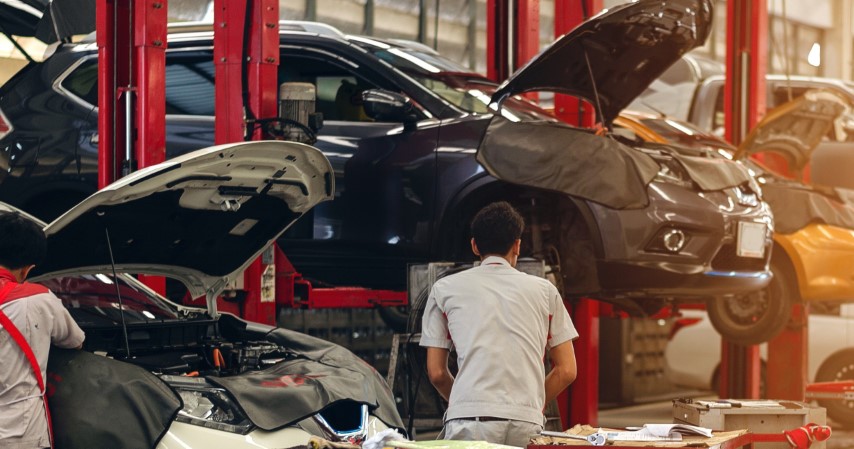
There’s nothing that will give you security assurance in this winter season other than getting your car checked by an expert. You need someone to inform you whether your car’s condition is fit for the winter season. The front-end accessory for your car needs to be certified, have the anti-freeze checked, and ensure the brakes are working perfectly. There’s a complex mechanism involved in your car to move. As such, you need a specialist to test whether most of the components are in their right condition. Besides increasing your driving confidence, winter maintenance reduces the risk of an accident.
6. Avoid rolling down your windows immediately after starting the car.
If you roll down the windows immediately after igniting the engine, the water collected on window seals and the moving parts of the door freeze. This can result in non-operational windows and doors. To avoid such adversities, wait for about 30 minutes after starting the car to give enough time for it to warm.
7. Inspect the car fluids.
Fluids are consumed at a higher rate during the winter season. You should check your fluids regularly and refill it if needed. The engine oil should also be changed to ensure the car is performing optimally.
8. Have your emergency kit and toolbox equipped.
Although you might have taken care of any shortcomings of the winter season, you need to have an emergency kit in case of any emergency. In your kit, you should have a flashlight, a snow brush or a small shovel, a first aid kit, and a blanket. You should also inspect your kit regularly to replace any damaged or worn-out items. It isn’t very easy to get a Good Samaritan down the road during winter, willing to help you. Therefore, ensure you’re self-sustaining when an emergency occurs.
In addition to having a loaded emergency kit, you should have a toolbox with the right items to be used if needed. For example, if you have to change a tire, you need to have a good car jack, the right bolt openers, and other necessary tools. Since unpredictable breakdowns accompany the winter season, you have to be prepared.
9. Observe the three-second rule.
The three-second rule is a conventional rule that allows drivers to keep a safe driving distance at any given speed. It typically states a driver should keep a distance of three seconds behind the car in front of them. During winter, you should double this rule to give you enough space from the car in front. A lot of vehicles skid on the road during winter. Doubling this rule will give you enough time to apply the brakes if the car in front starts to skid.
10. Invest in winter tires.
Although the regular tires might function well during the winter season, investing in winter tires can be helpful. They have a better grasp, and they are harder and give better traction. These tires will offer more stability and better control of your vehicle.
11. Keep the gas level above the half mark.
Keep the gas level above the halfway mark to make sure the gas line doesn’t freeze. If it freezes, it prevents the gas from reaching the engine.