A clean 1967 Mustang sits in a garage with chrome reflecting the bright overhead lights. Owning a vintage car comes from years of searching and spending thousands on restoration work. These machines represent an era of engineering that needs more care than a new daily driver. Maintaining a classic car involves more than just oil changes and a wax job.
Every mile driven in an old truck adds character but also wears down aging parts. Protecting these assets requires a proactive approach to mechanical care and financial safety. Many owners find that working with specialized agencies like IIS Insurance helps them find the right coverage. Choosing a partner that understands the California market keeps your investment safe from unexpected road incidents.
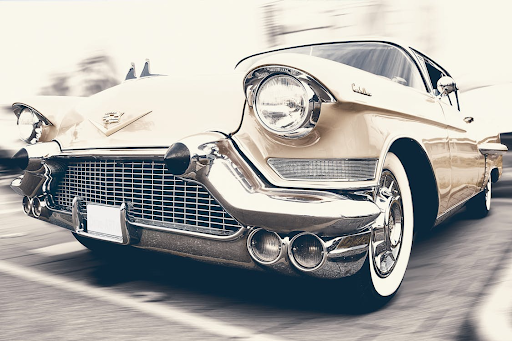 Photo by Pixabay
Create a Stable Storage Environment
The place where you park your vehicle affects its life and the paint finish. Humidity is the main enemy of old steel because it causes rust in hidden areas. Storing a car in a space with steady temperatures stops metal panels from moving. This stability helps keep the paint whole and stops small cracks from forming over time.
Control Moisture and Airflow
You can stop rust by managing the air and ground moisture around your vehicle. A good dehumidifier in your garage reduces the risk of damage to the metal frame. Concrete floors hold moisture that can rise and hit the bottom of a parked car. Using a vapor barrier or floor tiles creates a gap between the ground and the frame.
These small changes in your garage keep the chassis in factory condition for many years. You can follow these steps to prepare your storage space for long term parking:
- Install a digital hygrometer to monitor humidity levels daily.
- You might tuck silica gel packs inside the cabin to pull dampness away.
- Use a breathable cloth cover to stop dust without trapping damp air.
- Keep the garage floor clean and dry to prevent metal oxidation.
Proper airflow around the car is just as important as the roof above it. Keeping the interior dry stops mold from growing on old leather or original upholstery. These materials are hard to find and very expensive to replace once they rot.
Maintain a Detailed Service History
Writing down every repair and part replacement adds real value to a classic car. Buyers and appraisers look for a paper trail that proves the car had good care. Keep a folder for receipts, part numbers, and photos of big engine jobs. This record acts as a map for future work and helps fix repeat mechanical problems.
Manage Fluids and Cooling Systems
Modern fluids do not always work well with the seals in old engine designs. Using high zinc oil is necessary for older camshafts to stop parts from wearing out. Your service logs help you remember which oil brands and weights your motor likes. You can find more guides on engine maintenance and restoration through community resources for custom builds.
A healthy cooling system stops the engine from getting too hot during summer drives. Replacing the coolant every two years keeps the internal passages clear of debris and dirt. This practice prevents warped heads and blown gaskets that happen to many old engines. Consistent care keeps the water pump lubricated and ready for many more miles of travel.
Update Safety Parts for Modern Roads
Driving an old car means accepting more risk than driving a new vehicle. You can make your classic ride safer by changing parts that people cannot see. Swapping old drum brakes for a disc brake kit improves your stopping power in traffic. These kits fit behind factory wheels so the car still looks original for shows.
Improve Visibility and Belts
Changing to three point seat belts is a great way to stay safe during cruises. Most old cars only had lap belts which do not protect you well in crashes. Installing new belts requires some work on the pillars but gives you peace of mind. Making sure your lights are bright helps other drivers see you during night trips.
The National Highway Traffic Safety Administration shows that better lights lead to fewer rear end crashes. These electrical upgrades are easy to undo and do not lower the value of the car. Better lights make sure your truck is as safe as it is beautiful to see. You should check your bulb connections every month to ensure they stay tight and bright.
Protect the Fuel System
Modern gasoline with ethanol causes big problems for fuel systems made decades ago. Ethanol attracts water and can eat through steel tanks and rubber fuel lines. If you do not drive the car every week the fuel can turn into gunk. This sticky mess blocks small parts in the carburetor and stops the engine from running.
Fuel System Maintenance Steps
A fuel stabilizer protects your entire system from the tank to the motor. It is also smart to replace old rubber lines with hoses made for ethanol. Adding an inline fuel filter catches dirt before it hits the engine or the carburetor. These small steps keep the motor running well and save you from expensive repair bills.
Use this list to keep your fuel system healthy during the driving season:
- Fill the tank before you park the car for a long time.
- Add a stabilizer and run the engine to move it through the lines.
- Check all fuel line connections for leaks after your first spring drive.
- Find a station that sells ethanol free gas for your vintage motor.
High octane fuel without additives burns cleaner and keeps the engine free of carbon. Check the fuel pump for leaks before you head out to a big show. A healthy fuel system is the start of a reliable car that is ready to drive. You should also look at the event coverage notes for tips on long distance travel.
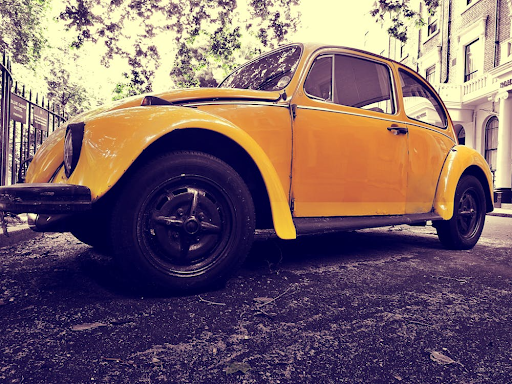 Photo by SevenStorm JUHASZIMRUS
Check the Market Value Often
The value of a classic car changes based on trends and the quality of work. Standard insurance pays out a small amount because they look at the age of the car. This means you might get very little money if someone steals your vehicle. Getting a professional appraisal lets you set a price with your insurance company before anything happens.
Get the Right Coverage
An agreed value policy pays you the full appraised price if you lose the car. This coverage is vital for cars with custom parts or very expensive paint jobs. Working with an agency that knows the market helps you find a good policy. Some plans cost less if you drive fewer miles or keep the car in a garage.
The Insurance Information Institute says specialized plans often include flatbed towing for your car. This feature is important because regular tow trucks can damage low vintage frames or bumpers. Having the right protection lets you enjoy the car without worrying about high repair costs. A well insured classic is a car you can drive with pride through every turn.
Protecting a vintage car takes mechanical skill and smart planning for the future. You ensure the car lasts for the next generation by focusing on storage and safety. Take time to record your work and check your insurance so you feel good driving. Regular checks and quality parts keep your machine running just like it did years ago.