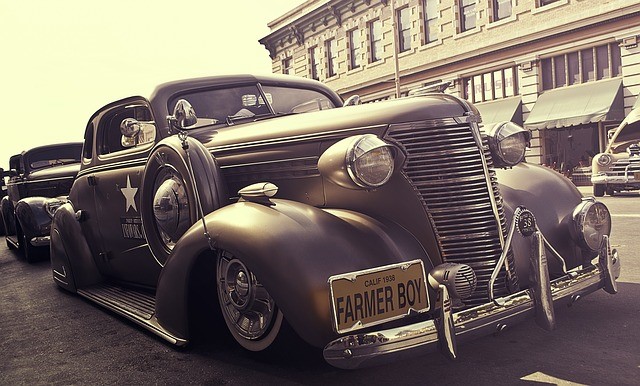
We have all dreamed about inheriting something valuable, and a classic car is definitely on the top of the list. Not just because of its material value, but because of the sentimental one too. If that car has been in your family for years, you probably want to take good care of it. And what happens when this dream comes true? Actually, inheriting a classic car is not that rare, but the reality is a bit different from what you have imagined. It brings a lot of legal jurisdictions, taxes, registration and its costs. Furthermore, it can be very complicated to take possession of an inherited classic vehicle. However, don’t let the paperwork and rusted fenders ruin this for you. Let’s find out what to do after inheriting a classic car.
What is the probate and how does it work?
The probate is the process of transferring the legal title of property from the estate of the decedent to the person that inherited it – you. This process brings the collection of taxes as a result of the inheritance and a mechanism for payment of outstanding debts and taxes of the estate. The point and result of the process is the passing of the classic car into the hands of the new owner, with a clean title. This means that it leaves the inheritor with a title that should be taken to the Department of Motor Vehicles and used to obtain a registration and everything your vehicle needs to be ready for shipping.
The good news is that the probate process is generally very simple. If there is a will, the executor should administer the estate, working under the supervision of the court. Although there is no legal requirement for an attorney, in practice, most people hire a lawyer for probate. There are so many formal procedures and filing requirements that handling it on your own can be quite a challenge.
Initial repairs
This depends very much on the condition of the car itself. Is it in good, working order or it has been sitting in the driveway for years? If the second statement is true for you, you will probably have to find someone for repairs. First, find a reliable specialty mechanic and then have them look over the car and give you an estimate of how much it will cost to get the vehicle road ready. You should be aware that expertise doesn’t come cheap. A specialty mechanic’s rate can be more than double that of a regular one.
Maintenance of your classic car
Usually, the more “classic” your car is, the more expensive the repairs are. Antique parts are often very hard to find. Also, specialty aftermarket replacements can be very expensive. Are you planning to fix it yourself maybe? It is a nice thought, but few people make it. Most of them end up spending a lot of time and money working on it, but very few finish that job.
It’s possible the previous owner kept repair records. If yes, that could make things easier for you. You can dig through a few months’ worth to calculate an average monthly maintenance cost. You could even find the mechanic that took care of the car before, which can spare you the search for a new one.
Tag, registration and safety inspection

For driving a classic the car, you will have some ongoing fees. For example, some states require annual safety inspections prior to issuing a registration. It is best to check with your local vehicle licensing agency or Department of Motor Vehicles for specific information on regulations and costs.
Your car’s value
Whether you are planning on selling it at some point or not, it’s always good to know your car’s value. Beside the fact that all classic cars have some inherent value, there are certain models that may be more valuable than others. Their engines, suspension and parts are rarer, which makes them more valuable. Also, the condition of the car will determine how much it is worth.
Try to find an appraiser that has specific expertise in classic and vintage cars to help you with this. He will need to inspect your car and the condition it is in, research the replacement, actual cash, salvage, fair market, and other values of your specific vehicle. He/she will include everything, from its age to wheels and accessories and, of course, the average prices of similar cars. All of these factors will affect your final appraisal.
Make sure it’s insured
When you own a classic car, there are many factors you need to consider when getting insurance on it. And even before your appraisal is complete, you will want to add the car to your standard automotive insurance, as it is required by law. You need to carry insurance on any motor vehicle that you own, so a classic car is not an exception.
Additionally, beside the standard driving insurance, you may want to seek extra insurance for your classic car, just as you would on any other item for major value that you own. This additional insurance is extremely important, since it gives you protection in case the car is stolen or damaged in a fire or other disaster. The height of this insurance will also be based on the value of your car in the appraisal.

After inheriting a classic car?
An inherited classic car can have major sentimental value because it reminds you of the passion its previous owner had for cars. You probably feel honored for being the one that inherited it, and you should. People tend to leave their vintage cars to the person that is not only close to their heart but also whom they believe will take good care of their treasure. And with these tips in mind, you are prepared to handle the process of inheriting a classic car in the best possible way. We hope you really enjoy it!