Aluminum is a highly versatile and flexible metal with vast applications in various manufacturing industries, including the automotive racing industry. Observing the typical aluminum forms, such as aluminum foil, many consider it a weak metal. Indeed, it is lightweight. However, it is strong enough, comparable to steel, making it an excellent choice for creating car parts.
When observing a typical race car, you’d notice a couple of CNC machined aluminum parts, from the engine components to the transmission and brake systems. Aluminum machining operations are vital for the racing industry, considering it ensures the manufacture of highly precise parts which adhere strictly to all design and tight tolerance specifications. These requirements may prove critical in guaranteeing the driver’s safety and the vehicle’s reliability and performance through racing conditions.

This article explores the intricacies surrounding the use of aluminum in automotive performance racing. Let’s get right into it.
Aluminum Use in the Automotive Racing Industry
Aluminum is one of the most used metals in manufacturing. It is highly reliable and durable, even after exposure to extreme conditions. In fact, after recycling, it retains most of its original properties. The transportation industry mainly benefits from aluminum parts manufacturing because of the properties the metal guarantees.
Aluminum has been a mainstay in manufacturing performance race vehicles since the early days of automobiles. The first aluminum-bodied racing car was produced in the late 19th century – the Durkopp sports car launched at the 1899 Berlin Motor Show. Afterwards, different automobile manufacturing companies started looking into using aluminium for manufacturing critical sports car components.
For example, in 1901, the first aluminum engine vehicle created by Karl Benz was featured in a racing competition in France. In fact, In 1962, the sports car the iconic racer Mickey Thompson used to set the record time at the Indianapolis 500 used an aluminum engine. This was a critical point in using aluminum in manufacturing auto engines and other components of racing vehicles.
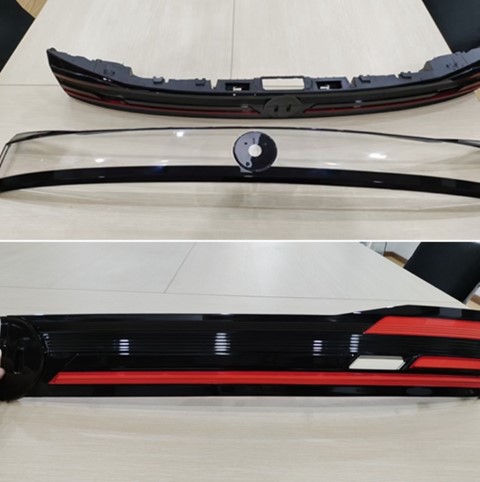 Over the years, several automobile manufacturing companies have found ways to improve aluminum engines and their use in performance race vehicles. Close observation of race vehicles, you may notice components such as the engine blocks, control arms, cylinder heads, radiators, etc., use aluminum in its pure form or aluminum alloyed with magnesium, silicon, or other materials.
Benefits of Using Aluminum in Performance Racing Cars
As mentioned earlier, aluminum has been a popular material in manufacturing performance race vehicles. Regardless of variations, particularly the cost of material, the benefits aluminum offers the automotive industry make it highly relevant, even in motorsports racing.
The first thing to consider is weight. Aluminum is lightweight, which is a crucial feature for increasing the speed of a vehicle. Weight reduction in the racing car is essential for enhancing speed, fuel efficiency, handling and overall car performance. When it comes to the racing industry, any difference in speed, even if it’s less than a minute, it may increase your competitive edge. Therefore, finding appropriate means to cut down the vehicle’s weight without affecting its integrity proves essential.
Often people tend to link the weight of an object to its strength. Guess what? Aluminum has an incredible strength-to-weight ratio compared to stronger metals like steel. This benefit proves highly relevant in performance racing vehicles, considering the high speeds the cars are subjected to. They require a material that can withstand such stress without losing its structural integrity.
We must also include that with machining, and other suitable manufacturing processes, aluminum is highly customizable. This may prove crucial for creating features and design modifications that enhance the vehicle’s capabilities. Aluminum possesses excellent machinability, which suggests that it is pliable and makes manufacturing aluminum parts pretty easy. In addition, it’s easier to weld, repair and make easy adjustments to aluminum components, making it a suitable material of choice for racing vehicles, considering drivers may require a quick fix which may prove pivotal between races.
Essentially, aluminum’s properties make it an excellent material for automotive race vehicles. Some other characteristics of the metal, such as its resistance to corrosion and rusting compared to metals like iron and steel, makes it a more desirable material.
Moreover, aluminum possesses excellent thermal conductivity and it is impact and shatter resistance, which is critical in the case of a collision or accident when racing. Drivers and automotive race companies want a car that will maintain its original properties even when exposed to extreme racing conditions.
Application of Aluminum Alloys in Racing Vehicles
The commonest aluminum alloys used in automobile manufacturing are the typical ones integrated for producing motorsports cars. For example, the aluminum 7000 series, especially 7075, known to possess the highest strength and durability of all aluminum alloys, are pretty standard. Though they are less flexible, they have suitable machining properties, making their CNC aluminum machined parts a popular choice in race cars.
On the other hand, among the 6000 series, the common aluminum 6061 is another popular choice. This is because of its heat treatability, easy formability, ease of machining and welding. The alloy balances formability and strength, making it a go-to choice for creating custom designs and machined race car parts.
In addition, the properties of the most common aluminum alloy – the 3003 of the 3000 series. It has top-notch corrosion resistance and workability, making it a standard choice for car parts such as tanks or brackets. Alloys of the 2000 series, especially 2024, which is hardened, are suitable for parts such as the flywheels and the chassis skins.
Besides the aluminum alloys discussed above, there are other sophisticated aluminum alloys that highly competitive race teams will rely on for the better performance of their race cars. These alloys may be limited and may be expensive. However, to be a leader in the automobile racing industry, these teams and their manufacturers must splash the necessary funds to obtain a premium vehicle that will give them an improved competitive edge.
Conclusion
In this article, we have already discussed the importance of aluminum in automobile racing. It is beyond the silvery shiny appearance of the metal, but more about its lightweight, durability and other beneficial properties its guarantees race cars. The features of this material, as discussed, make it a critical component in the manufacturer’s performance racing cars. Also, the nuances it provides vehicles may prove vital in achieving success for the drivers and the racing teams.