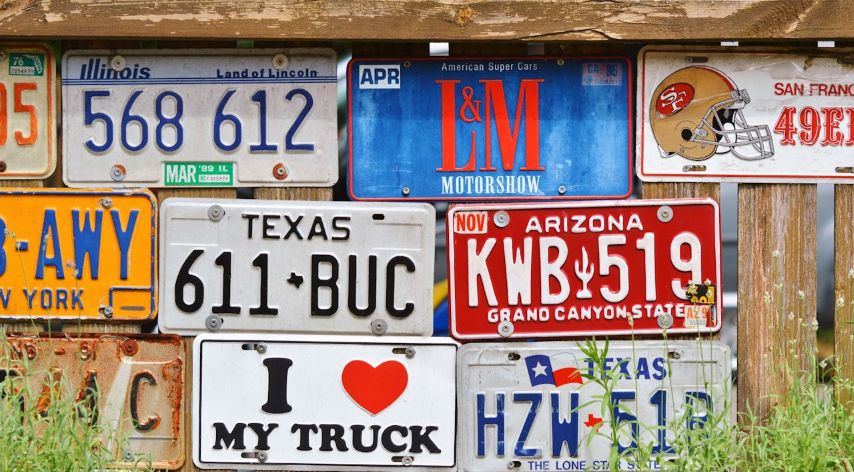
 It’s small, metallic, and often forgotten until a ticket appears. Texas law requires front plates, but many drivers skip them for aesthetics or ignorance. A missing front plate might seem like a minor oversight, but it’s a violation that law enforcement can use as probable cause for a traffic stop.
Texas Transportation Code Section 502.040 requires every vehicle to display license plates on both the front and rear. No exceptions for vanity, no exemptions for expensive paint jobs, no grace period for forgetfulness. The requirement is straightforward and rarely changes. Yet countless drivers operate without front plates, either never realizing they’re required or deciding that one plate is sufficient.
The law exists for reasons beyond bureaucratic efficiency. License plates serve multiple functions that both require front-facing visibility. Law enforcement needs to read plates for identification during traffic stops. Automated toll readers need to capture front plates for accurate billing.
Traffic cameras use front plates to enforce red light violations. A missing front plate removes information from a system designed to track vehicle movement and identify violations. That’s why enforcement has become more consistent in recent years. Understanding front license plate laws in Texas saves more than fines. It avoids unnecessary traffic stops and the suspicion that follows.
Why the Rule Exists
Law enforcement visibility is the primary reason. When officers encounter a vehicle, they can identify it from the front. Without a front plate, they must rely on the rear plate or move to a position where they can see it. This seems minor until you understand that officers use plate readers constantly. Automated readers scan vehicles as they pass, comparing plates against wanted vehicle databases, stolen vehicle registrations, and traffic violation records. A front plate doubles the chances of detection.
Toll systems throughout Texas depend on front-facing cameras. Toll roads on the Dallas-Fort Worth turnpike, Houston’s toll system, and other locations all use front plates for billing and enforcement. A vehicle without a front plate might not get properly billed for tolls, creating collection problems and enforcement complications. Toll authorities track vehicles that fail to pay, and a missing front plate sometimes masks identity.
Traffic enforcement cameras at red lights work more reliably with both front and rear plates visible. A vehicle running a red light with only a rear plate visible might not get identified if the rear camera fails or has obstructed view. Front plates provide redundancy in the system. Multiply this across thousands of intersections and millions of vehicle movements, and redundancy becomes essential infrastructure.
The Common Excuses and Real Penalties
The most common excuse is aesthetic. Sports cars and luxury vehicles sometimes come from manufacturers without front plate brackets, and owners argue that adding one ruins the design. Texas doesn’t care. Plates are required regardless of how they affect appearance. Installing a bracket is inconvenient but cheaper than fighting a ticket.
Some drivers claim they didn’t know front plates were required. This excuse fails because license plate requirements are available through the Texas Department of Motor Vehicles website, included in registration paperwork, and posted on tax assessor websites. Ignorance is understandable but doesn’t change the law.
The fines are real. A missing front plate violation costs around $200 in fines plus court costs. It’s not astronomical, but it’s enough to matter. Repeat violations increase penalties. Some jurisdictions add points to driving records. For drivers with commercial vehicles or those concerned about insurance rates, a plate violation creates unexpected complications.
The real cost is the traffic stop itself. Missing a front plate gives officers legal grounds to stop you. During that stop, they check registration, insurance, and driver’s license. If you have any other violations or if the officer decides to search, that initial stop cascades into bigger problems. The plate violation is the entry point for expanded investigation.
How to Stay Compliant
Installation is straightforward. Most dealerships will install a front plate bracket for a small fee. Aftermarket brackets are available online and at auto parts stores. DIY installation takes minutes with basic tools. The bracket mounts to the front bumper or frame, typically centered and at a readable height. Once mounted, the plate attaches with screws.
Placement matters for readability. The plate should be horizontal, not tilted, and visible from at least fifty feet away. Obscuring the plate with bumper stickers, frames that cover numbers, or intentionally angling it creates separate violations. Some states allow decorative frames around plates as long as the plate number itself remains fully visible. Texas is permissive on this, but keeping it clear is safest.
Check your plate regularly for damage or deterioration. Faded plates become hard to read. Cracked plates lose reflectivity. DMV replacement plates are cheap and easy to obtain. If your plate is visibly worn, replace it before an officer uses its condition as another reason to stop you.
Conclusion
The front license plate law in Texas seems picky, but it’s built on visibility rather than vanity. Multiple systems depend on plates being readable from multiple angles. When drivers remove front plates, they create friction in systems designed to track vehicles efficiently and enforce violations consistently.
Compliance is simple and inexpensive. An installation bracket costs under fifty dollars. A replacement plate costs roughly thirty dollars. The time investment is under an hour. Compared to the cost of a traffic stop, the potential expanded investigation, and the fine for violation, staying compliant is obvious math.
Texas law isn’t changing. Front plates will remain required. Drivers who ignore this requirement will eventually encounter an officer who decides to enforce it. The better choice is accepting the minor inconvenience of dual plates and avoiding the major inconvenience of a traffic stop.