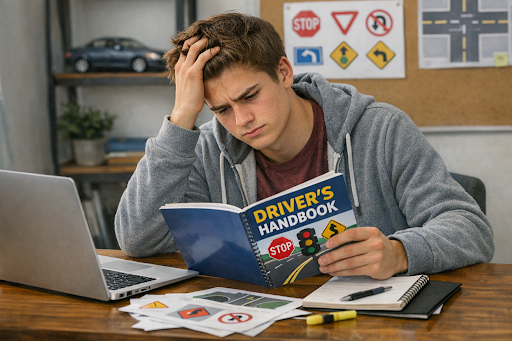
Passing a Driving Test is a major milestone for new drivers, but real-world driving situations often require much more than memorizing answers from a handbook. While the DMV exam checks basic road knowledge, it does not fully prepare drivers for unpredictable traffic, fast decision-making, and real highway conditions.
That gap matters more than most drivers realize.
If you are currently working through a dmv practice written test, that is a great starting point, but it helps to treat it as more than a simple checkbox exercise. Tools that focus on scenario-based learning and repetition often help drivers retain information better. Something like dmv driving test practice that mirrors real exam formats while explaining the reasoning behind the rules can build stronger long-term understanding.
That preparation becomes even more valuable once you begin driving alone in traffic, construction zones, or unfamiliar areas. Many new drivers also benefit from reviewing additional vehicle safety and preparation tips before spending more time behind the wheel.
What a Driving Test Is Designed to Measure
Most written exams exist to confirm you understand foundational driving knowledge. Without the basics, nothing else works.
A typical DMV written test covers things like:
- What common road signs mean
- Right-of-way rules at intersections
- General traffic laws and safety principles
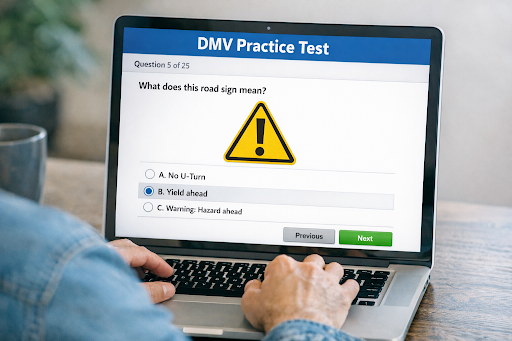
However, many written exams reward memorization and pattern recognition more than real-world application. Identifying a yield sign on a computer screen is much different than reacting correctly during a busy merge while traffic is moving quickly around you.
Context changes everything. Timing matters too.
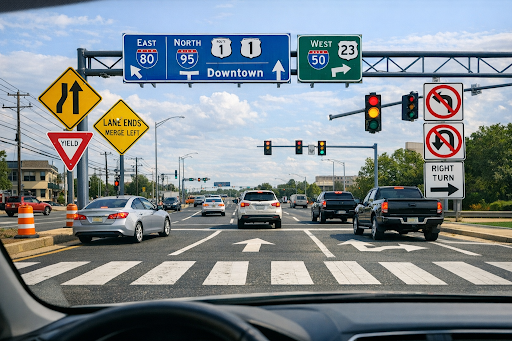
Where the Gap Between Testing and Real Driving Begins
The issue is not that the Driving Test itself is bad. The challenge is that written exams can only measure so much within a multiple-choice format.
Memorization versus understanding. Many drivers cram information the night before the test, memorize answer patterns, pass the exam, and quickly forget why the rules matter. That may work during the exam, but it becomes a problem during real driving situations.
No real-world pressure. Driving tests happen in controlled environments. Real roads involve rain, glare, distracted drivers, traffic congestion, and sudden decisions. None of those pressures exist inside a testing room.
Very few judgment calls. Real driving requires constant decision-making. Drivers must read traffic flow, predict hazards, and react smoothly. Written exams rarely test those gray areas.
That skill only develops through experience and preparation.
Why Real-World Driving Skills Matter
Once new drivers begin driving alone, the difference between memorization and practical understanding becomes obvious quickly.
Hesitation creates problems. Drivers who rely only on memorized answers often freeze during unfamiliar situations. Even a few seconds of hesitation can create dangerous chain reactions in traffic.
Traffic situations change constantly. Understanding right-of-way rules on paper does not always translate smoothly at a busy four-way stop or crowded intersection. New drivers often second-guess themselves and react too late.
Passing the test is only the beginning. Many drivers feel like they “finished” learning once they pass the exam. In reality, the biggest learning curve begins after the license is issued.
Real confidence develops through consistent practice and experience behind the wheel.
The National Highway Traffic Safety Administration also provides additional road safety resources that help new drivers better understand defensive driving habits and accident prevention.

The Most Common Areas Where Drivers Struggle
Certain driving situations consistently challenge new drivers regardless of age or state testing requirements.
- Right-of-way decisions at multi-lane intersections
- Reading multiple road signs together in context
- Recognizing hazards early enough to react smoothly
Hazard awareness often separates experienced drivers from beginners. Experienced drivers scan farther ahead, predict problems sooner, and react more smoothly. New drivers typically process situations later, which leads to sudden braking or rushed decisions.
Those delayed reactions are where many accidents happen.
What Most Driving Tests Do Not Fully Measure
Written exams were never designed to evaluate every real-world driving skill. Unfortunately, they often under-measure the exact skills that help drivers stay safest on the road.
- Situational awareness in changing traffic conditions
- Predicting risks before they become dangerous
- Adjusting decisions based on weather or traffic flow
Good driving habits come from learning how situations develop in real time. Drivers who stay calm and recognize patterns early tend to react more smoothly under pressure.
Calm decisions usually lead to safer outcomes.
How Smarter Driving Test Preparation Helps
Nobody is saying written testing should disappear. The goal is simply to prepare in a way that turns the written exam into a real foundation instead of a short-term memorization exercise.
Use active learning. Reading rules is passive. Working through realistic scenario questions and reviewing why answers are correct builds stronger retention.
Study multiple formats. If you only repeat one question bank, you often memorize patterns instead of learning the actual rules. Variation improves understanding.
Focus on your state’s exam. Every state emphasizes slightly different topics. Some focus heavily on signs while others prioritize right-of-way scenarios. State-specific preparation improves both test performance and real driving readiness.
That is why many drivers now rely on structured dmv practice written test tools that simulate realistic conditions instead of encouraging pure memorization.
Practical Driving Test Tips for New Drivers
Whether you are still preparing for your permit or recently earned your license, small adjustments in preparation can make a major difference.
- Learn why each rule exists instead of memorizing answers
- Practice multiple question formats
- Spend extra time studying signs and right-of-way situations
- Pay attention to traffic flow even as a passenger
One of the best ways to improve is by mentally processing situations before you are directly responsible for the vehicle. Watching intersections, merges, and lane changes while riding with someone else helps train faster awareness.
Strong Driving Test preparation helps new drivers develop safer habits long after the written exam is completed.
Strong driving habits develop gradually through repetition, preparation, and experience.