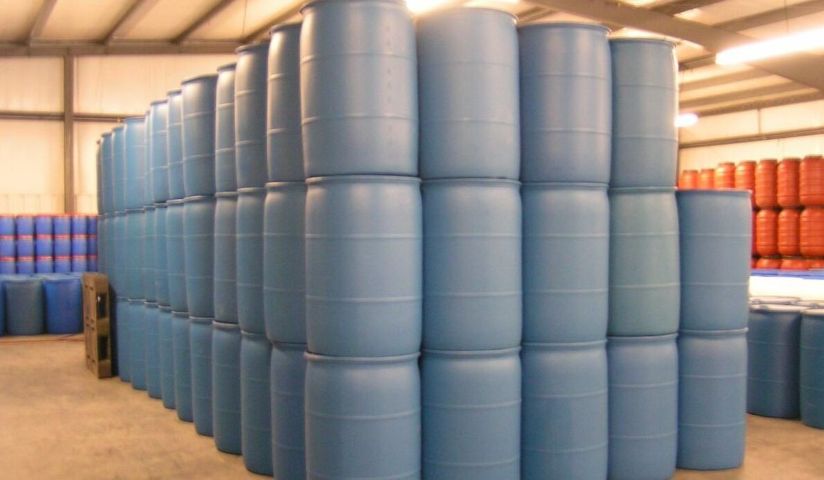
Picture this: a purchasing manager orders a batch of drums, gets them in, fills them up, and three weeks later realizes the material is reacting with the container. Now there’s a contamination issue, a compliance question, and an expensive mistake sitting in the warehouse. It happens more often than most people admit, and it almost always comes down to one thing: the wrong drum for the job. Understanding what separates plastic from metal before you buy saves a lot of pain down the road.
Businesses comparing storage and shipping equipment may also find value in reviewing how freight logistics move through drayage, rails, and rigs before choosing containers for transport or warehouse use.
Choosing the right plastic drums or metal containers often comes down to temperature, chemical compatibility, shipping requirements, and long-term storage conditions. Making the wrong choice can create expensive handling and compliance problems later.
Where Plastic Drums Actually Shine
Plastic drums have taken over a huge portion of the industrial storage market for good reason. They don’t corrode, they’re lighter than metal, and they cost less to ship and handle. For most liquid storage applications, that combination is hard to beat.
They’re also the default choice for food-grade and pharmaceutical applications. High-density polyethylene, or HDPE, doesn’t react with most chemicals, doesn’t leach into food products, and can be manufactured to FDA standards without much additional cost. If you’re storing anything that ends up in a food chain or a medicine cabinet, plastic is almost always the right starting point.
The lighter weight matters more than people realize, too. A standard 55-gallon steel drum empty weighs around 40 pounds. The plastic version comes in closer to 15. Over hundreds of drum movements a day, that difference shows up in worker fatigue, handling speed, and long-term injury rates.
Where Metal Drums Still Have the Edge
Metal isn’t going anywhere, and for certain applications it remains the only sensible choice.
High-temperature storage is the big one. If you’re dealing with materials that generate heat, or if drums are exposed to elevated temperatures during storage or transport, metal handles stress in a way plastic simply cannot. HDPE softens and deforms under sustained heat, which creates both a structural problem and a potential safety issue.
Flammable materials are another category where metal earns its place. Many regulatory frameworks and fire codes require metal containers for flammable liquids with flash points above certain thresholds. Before assuming plastic is suitable for a solvent or fuel application, check the applicable regulations, as the answer may already be set for you.
The Occupational Safety and Health Administration also provides flammable liquid storage and handling guidelines that businesses should review before selecting storage drum materials.
Understanding Compliance When Buying Plastic Drums for Sale
Drums used for hazardous materials aren’t just a practical choice; they’re a regulated one. The Department of Transportation and international UN certification standards classify drums by performance ratings, and not every drum qualifies for every material. When you’re evaluating plastic drums for sale, look for UN certification markings stamped on the drum itself. A marking like UN1H1 identifies a closed-head plastic drum that meets tested performance standards for hazardous liquids.
If you’re shipping hazardous materials domestically or internationally, this certification isn’t optional. Buying uncertified drums for a regulated application creates liability that far outweighs any savings on the purchase price.
Open-Head vs. Tight-Head Plastic Drums: Knowing the Difference
A tight-head drum has a fixed, non-removable lid with two small bung openings for filling and dispensing. It’s designed for liquids that don’t require access to the interior for cleaning or solid loading. Chemicals, lubricants, and liquid food ingredients are common applications.
An open-head drum has a fully removable lid secured by a locking ring. It gives you complete access to the interior, which matters when you’re loading solids, semi-solids, or anything that needs to be scooped or shoveled out. It also makes cleaning between uses far more practical.
What to Check Before Buying Any Drum
Whether you’re buying new or used, a quick inspection protocol saves headaches later.
Check the lid seals and bung fittings first. A drum that doesn’t seal properly is useless regardless of how good the rest of it looks. For used plastic drums, look for discoloration, cloudiness, or any residual odor that suggests a previous chemical occupant that might cause compatibility issues. Wall integrity matters too, so look for stress cracks around the base and chime, which take the most abuse during handling.
For used metal drums, surface rust on the exterior is often cosmetic. Interior rust is a different story entirely and disqualifies the drum for most liquid applications without reconditioning.
Plastic Drums: Stop Guessing and Start Specifying
The plastic versus metal debate isn’t really a debate at all once you know your application. Most operations land on plastic for the majority of their storage needs and keep metal in the mix for the specific situations that call for it. The mistake is defaulting to one without thinking through the other.
Container Exchanger is a buy-and-sell marketplace where businesses across North America find new and used drums in both materials, compare options without the pressure of a sales call, and sell off surplus containers that are taking up valuable space. Getting the right drum at the right price starts with knowing what you need, and now you do.