First aid skills are just as important as knowing how to fix a vehicle. Custom car builders, DIY mechanics, and automotive enthusiasts work around heavy machinery, dangerous power tools, welders, chemicals, and lifted vehicles daily. While mechanical skills fix the vehicle, emergency response knowledge helps protect the people building them.
We easily spend hundreds of hours agonizing over suspension geometry, fuel mapping, custom interiors, and getting the perfect paint finish. Most enthusiasts know their way around an engine block with their eyes closed. But what happens when the hydraulic jack slips, or a grinder kicks back into your arm? Mechanical skill will not stop bleeding. That is why smart shop owners and builders are upgrading their safety knowledge by taking a First Aid Course Brampton to better protect themselves and their crews.
Anyone working on larger DIY car repair projects should understand how important emergency preparation becomes inside the garage environment.
Garage Safety for Custom Car Builders
Garages combine heavy equipment, sharp tools, electrical systems, chemicals, and heat into one workspace. Injuries can happen fast. A small mistake with a cutting wheel or air tool can become a serious emergency within seconds.
Many mechanics try to “walk it off” after injuries, but severe cuts, burns, crush injuries, and chemical exposure require immediate attention. Knowing basic first aid skills before emergency crews arrive can help reduce the severity of injuries.
- Control bleeding quickly
- Stabilize injuries safely
- Handle burns properly
- Protect eyes from chemicals or debris
- Respond to electrical accidents
Emergency Preparation Inside the Shop
Whether you work in a professional custom shop or wrench on project vehicles at home, garage injuries happen fast. Weld burns, grinder accidents, falling parts, and chemical exposure can all turn serious within seconds if nobody knows proper emergency response techniques.
These shop safety tips also make basic first aid skills easier to use when a real emergency happens. Even a basic understanding of CPR and trauma response can help save a life during a serious accident.
Can Training Protect Your Garage Crew?
Absolutely. A safer shop environment protects everyone working inside it. When shop owners invest in emergency preparation, employees and friends working on projects become more confident and aware of potential risks.
Proper safety training also helps reduce panic during emergencies. Instead of guessing what to do, trained mechanics can respond immediately while waiting for paramedics.
What Should Be Inside a Garage First Aid Kit?
A basic household first aid kit is not enough for a working garage. Mechanics and car enthusiasts should keep heavy-duty medical supplies nearby in case of serious injuries.
- Burn dressings: Helpful for welding and exhaust-related burns.
- Trauma pads: Used to control severe bleeding from deep cuts.
- Eye wash bottles: Important for chemical splashes and metal debris.
- Tourniquet: Critical for severe limb injuries.
- Nitrile gloves: Help maintain cleaner emergency treatment.
- CPR mask: Useful during breathing emergencies.
Roadside Safety During Car Show Travel
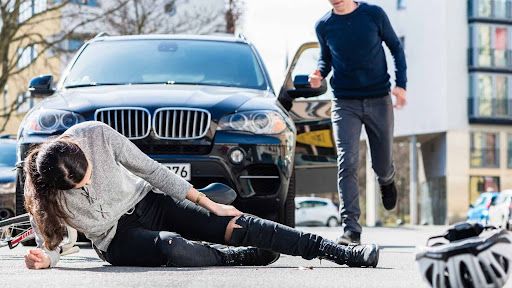
Car enthusiasts often travel to shows, meets, cruises, and events with trailers, tools, spare parts, and long hours behind the wheel. Roadside emergencies can happen anywhere, from a breakdown on the highway to a crash near an event entrance.
Knowing basic first aid skills can help you respond faster if someone is injured during a roadside emergency. It also gives you more confidence when traveling with friends, family, or a car club.
Finding Time for Safety Training
Most enthusiasts and shop owners already juggle project deadlines, customer work, and long hours in the garage. Taking days off for safety classes can feel impossible.
Modern blended learning helps simplify the process. Many first aid programs now allow students to complete theory modules online before attending shorter in-person practical sessions. This allows builders and mechanics to stay productive while still improving their safety knowledge.
If you are looking for first aid training near the Queen Street Corridor, around Kennedy Road South, or nearby areas, then you may reach out to Coast2Coast First Aid/CPR – Brampton. Keeping your crew prepared and trained is easier than many people expect. For more information and additional resources, visit this website.
The Occupational Safety and Health Administration also provides workplace first aid and emergency preparation guidelines that apply to garages and custom shops.
5 FAQs About Garage and Roadside Safety
- Do auto mechanics need first aid training? Many workplaces require trained first aid responders to be available during shop operating hours.
- Are garage chemicals dangerous enough to require emergency treatment? Yes. Battery acid, fuel, cleaners, and coolant can all cause serious burns or eye injuries.
- Can CPR training help during garage emergencies? Absolutely. CPR training can help save lives during electrical accidents, breathing emergencies, or serious injuries.
- Is first aid training difficult to learn? No. Modern first aid and CPR training programs are designed to be simple and easy to understand.
- How often should certifications be renewed? Most Standard First Aid and CPR certifications remain valid for approximately three years before renewal is required.
For any custom builder, emergency response training is part of being prepared. Learning basic first aid skills gives car enthusiasts more confidence during garage accidents and roadside emergencies.