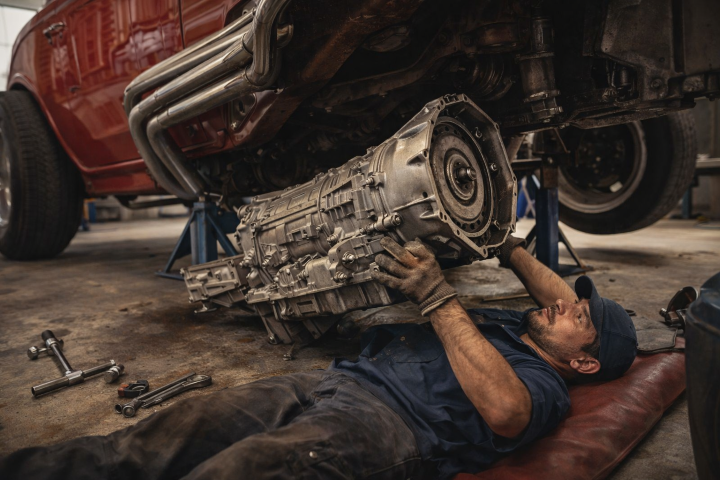
 Replacing a transmission is one of the most expensive and complex repairs a vehicle owner can face. Before committing to such a major decision, it’s essential to understand what the process involves, what options are available, and how to avoid unnecessary costs. Whether your mechanic has mentioned rebuilding, replacing, or installing a remanufactured unit from ACE Transmission Remanufacturing, being informed can help you make the right choice for your vehicle and your budget.
Understand the Role of the Transmission
The transmission is responsible for transferring power from the engine to the wheels while adjusting gear ratios for speed and torque. When it fails, your vehicle may struggle to shift gears, slip unexpectedly, lose power, or stop moving altogether. Because of its mechanical and electronic complexity, transmission repairs are rarely simple or cheap.
Before replacing the transmission outright, it’s important to confirm that the transmission is truly the source of the problem.
Confirm the Diagnosis First
Transmission symptoms can sometimes be caused by smaller, less expensive issues. Low or contaminated transmission fluid, faulty sensors, worn clutch components, or software problems can all mimic transmission failure.
Before agreeing to a replacement, ask for:
- A full diagnostic scan
- A road test
- A fluid condition report
- A clear explanation of the failure
Getting a second opinion is often wise, especially if the recommended solution is a full replacement. This step alone can save thousands of dollars.
Know Your Replacement Options
If replacement is unavoidable, drivers generally have three main options:
- New Transmission A brand-new transmission from the manufacturer offers the highest reliability but is usually the most expensive option. This route is often impractical for older vehicles due to cost.
- Used Transmission Salvaged transmissions are cheaper upfront but come with risks. Their history is often unknown, mileage may be high, and warranties are typically limited. While this option can work, it carries uncertainty.
- Remanufactured Transmission Remanufactured units are disassembled, inspected, cleaned, and rebuilt to meet or exceed original factory specifications. Worn components are replaced, known design flaws are corrected, and the unit is tested for performance. This option often offers the best balance between cost, reliability, and warranty coverage.
Consider the Total Cost, Not Just the Price
Transmission replacement costs go beyond the unit itself. Labor, fluids, programming, mounts, and related components can significantly impact the final bill.
When reviewing estimates, ask whether the price includes:
- Installation labor
- Transmission fluid and filters
- Software updates or reprogramming
- Warranty coverage
- Ancillary parts such as torque converters or coolers
A low initial quote may exclude critical items, leading to higher costs later.
Vehicle Age and Value Matter
Before replacing a transmission, consider the overall condition and value of your vehicle. If the cost of replacement approaches or exceeds the vehicle’s market value, it may not be a financially sound decision.
However, if your car is otherwise reliable, well-maintained, and free of major issues, a transmission replacement can extend its life by many years. This is especially true for trucks, SUVs, and vehicles with strong engines and solid frames.
Ask About Warranties and Support
One of the most important factors in choosing a transmission replacement is the warranty. Transmission work is labor-intensive, and failures can be costly if not covered.
Ask detailed questions such as:
- How long is the warranty?
- Is it nationwide or limited to one shop?
- Does it cover parts and labor?
- Are towing or rental costs included?
A strong warranty reflects confidence in the product and provides peace of mind after installation.
Installation Quality Is Just as Important
Even the best transmission can fail if it’s not installed correctly. Proper installation requires experience, precision, and attention to detail. Incorrect fluid levels, poor alignment, skipped programming steps, or reused worn components can all lead to premature failure.
Make sure the shop performing the work:
- Specializes in transmission service
- Follows manufacturer procedures
- Uses the correct fluid type
- Performs post-installation testing
A reputable installer will also inspect related systems to ensure the new transmission operates under optimal conditions.
Break-In and Maintenance After Replacement
Many drivers assume that once a transmission is replaced, no further care is required. In reality, proper break-in and ongoing maintenance are critical.
After replacement:
- Follow break-in recommendations carefully
- Avoid aggressive driving initially
- Schedule fluid checks as advised
- Address warning lights or unusual behavior immediately
Regular maintenance helps protect your investment and ensures long-term reliability.
Final Thoughts
Replacing a transmission is a major decision that should never be rushed. Understanding the cause of failure, exploring all replacement options, evaluating total costs, and choosing quality parts and installation can make a significant difference in both performance and longevity.
By asking the right questions and working with experienced professionals, drivers can turn a stressful repair into a smart, long-term solution. Whether you choose a new, used, or remanufactured unit, being informed is the most powerful tool you have before replacing a transmission.