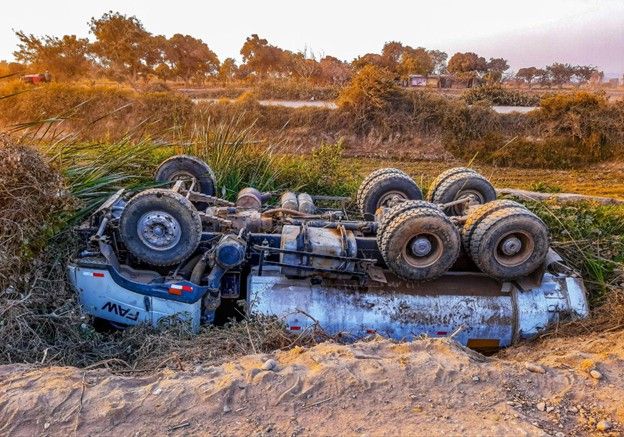
 When you consider commercial truck accidents in Indianapolis, several critical factors come into play. Driver fatigue reduces reaction time, while distracted driving—especially from smartphones—significantly impairs focus. Speeding and aggressive behavior contribute to nearly a third of these incidents, and impaired driving increases the likelihood of severe crashes by 3.5 times. Understanding these causes is essential, but what role do mechanical failures and weather conditions play in these complex events?
Driver Fatigue and Its Impact on Truck Safety
Although many factors contribute to commercial truck accidents, driver fatigue stands out as a vital risk element. You should recognize that driver sleepiness greatly impairs reaction time, decision-making, and situational awareness. Studies indicate that fatigued drivers are twice as likely to be involved in crashes compared to alert drivers. Effective fatigue management is essential for reducing these risks. This involves adhering to regulated hours-of-service limits, scheduling adequate rest breaks, and utilizing technology like driver alertness monitoring systems. When you neglect fatigue management, the probability of accidents rises sharply, jeopardizing both driver and public safety. Understanding and mitigating driver sleepiness through structured fatigue management protocols not only complies with safety regulations but also plays a vital role in preventing costly and deadly commercial truck accidents.
Distracted Driving Among Commercial Truck Drivers
Anyone can become distracted behind the wheel, but commercial truck drivers face unique challenges that increase the risk of accidents. Research shows smartphone usage, particularly texting distractions, markedly impairs a truck driver’s reaction time, visual attention, and situational awareness. Data indicates that distracted driving contributes to approximately 15% of large truck crashes nationwide. When you consider the size and momentum of commercial trucks, even a brief lapse can lead to catastrophic outcomes. Despite regulations limiting mobile device use, non-compliance remains an issue, with some drivers engaging in smartphone activities while operating their vehicles. If you or a loved one has been involved in such an accident, consulting a truck accident attorney in Indianapolis can help clarify your legal options and protect your rights. To reduce distracted driving incidents more broadly, stricter enforcement and advanced in-cab monitoring technologies are essential. Understanding how texting distractions compromise safety helps you appreciate the critical need for focused driving in commercial trucking.
Mechanical Failures Leading to Truck Accidents
When mechanical components fail, the consequences for commercial trucks can be severe and sudden. Studies show that brake system failures and tire blowouts account for nearly 30% of mechanical-related truck accidents in Indianapolis. You need to prioritize preventive maintenance to reduce these risks considerably. Regular equipment inspections identify wear and potential faults before they escalate into dangerous failures. Data from the Federal Motor Carrier Safety Administration indicates that trucks undergoing routine maintenance are 40% less likely to experience critical mechanical breakdowns on the road. Neglecting these inspections can lead to malfunctions in steering, suspension, or lighting systems, directly impacting vehicle control and visibility. By adhering strictly to maintenance schedules and thorough equipment inspections, you improve safety outcomes and reduce accident likelihood caused by mechanical failures.
Effects of Poor Weather Conditions on Truck Driving
Mechanical failures aren’t the only challenge commercial truck drivers face; weather conditions also play a significant role in accident risk. You encounter weather related challenges such as rain, fog, snow, and ice, which directly impact your vehicle’s traction and braking ability. Data shows that visibility drops by up to 70% in dense fog, intensifying driving visibility issues. Reduced visibility forces you to slow down, increasing travel time but also heightening the risk of rear-end collisions due to sudden stops. Additionally, wet or icy roads can increase stopping distances by 25-100%, demanding heightened attention and adjustments in speed. Understanding these factors is essential for you to adapt driving strategies effectively, minimizing accident likelihood during adverse weather conditions.
Improper Loading and Cargo Securement Issues
Although weather conditions greatly impact truck safety, improper loading and cargo securement present equally critical risks. When the cargo balance is off or the load weight exceeds limits, stability diminishes, increasing rollover and jackknife risks. Data shows that improperly secured cargo contributes to nearly 30% of truck accidents nationally. You should focus on these key factors:
- Uneven cargo balance causing shifts during braking or turns
- Excessive load weight stressing braking systems and suspension
- Inadequate securement methods allowing cargo movement or falling debris
Inadequate Training and Experience of Truck Drivers
Improper loading and cargo securement highlight how human error extends beyond physical handling to the skills behind the wheel. When you consider driver qualifications, inadequate training programs emerge as a significant factor in commercial truck accidents. Data shows that drivers lacking thorough training on vehicle handling, emergency protocols, and road regulations are more prone to critical errors. If you rely on minimal or inconsistent training programs, the risk of accidents increases significantly—especially in complex traffic scenarios. You need well-structured, standardized training to guarantee drivers gain the experience necessary to respond appropriately to real-world challenges. Without this foundation, even licensed drivers might not possess the situational awareness or technical skills required to operate safely, making inadequate training and experience an essential area to address in reducing truck-related incidents.
Speeding and Aggressive Driving Behaviors
When you encounter commercial trucks speeding or tailgating, the risks multiply greatly due to reduced reaction times. Aggressive driving behaviors like road rage further increase the likelihood of crashes by impairing judgment and decision-making. Understanding how these factors affect safety is essential for reducing accident rates.
Excessive Speed Risks
Speeding and aggressive driving behaviors account for nearly one-third of commercial truck accidents, highlighting the significant risks of excessive speed. When you disregard speed management and traffic regulations, you drastically increase the likelihood of losing control or being unable to react swiftly to road hazards. Consider these key factors:
- Reduced Reaction Time: At higher speeds, your ability to respond to sudden obstacles or traffic changes diminishes sharply.
- Increased Stopping Distance: Excessive speed lengthens the distance needed to stop, raising collision risk.
- Vehicle Stability Compromise: Trucks carrying heavy loads become harder to maneuver safely when speeding, increasing rollover chances.
Adhering to prescribed speed limits is critical not only for your safety but also for others sharing the road with you.
Tailgating and Road Rage
How closely you follow the vehicle ahead can dramatically impact your risk of a crash. Tailgating dangers are well-documented; maintaining insufficient distance reduces your ability to respond to sudden stops. Studies show rear-end collisions involving commercial trucks often result from tailgating, with stopping distances for heavy vehicles considerably longer than passenger cars. Additionally, road rage incidents exacerbate these risks—aggressive driving behaviors like sudden lane changes and speeding increase collision likelihood. Data indicate that aggressive driving contributes to nearly 56% of commercial truck accidents in urban areas like Indianapolis. By recognizing how tailgating and road rage elevate crash probabilities, you can adjust your driving habits accordingly, prioritizing safe following distances and emotional control to mitigate these risks effectively.
Impact on Reaction Time
Although aggressive driving behaviors may seem like attempts to save time, they greatly impair your reaction time behind the wheel. Speeding and hostile maneuvers increase cognitive overload, reducing your brain’s ability to process hazards promptly. Studies show reaction time can slow by up to 25% under such stress.
Consider these critical impacts on reaction time:
- Increased Cognitive Load: Multitasking and heightened stress divert mental resources from hazard recognition.
- Delayed Decision-Making: Speeding compresses the time window to respond effectively to sudden changes.
- Reduced Motor Coordination: Aggression triggers adrenaline, impairing fine motor control essential for precise vehicle handling.
Violations of Hours-of-Service Regulations
When commercial truck drivers exceed the federally mandated hours-of-service limits, the risk of accidents increases considerably. Studies show that drivers operating beyond these limits have reaction times impaired by fatigue, leading to higher crash rates. Regulatory compliance is critical to mitigating these risks, yet enforcement challenges persist. Data from the Federal Motor Carrier Safety Administration (FMCSA) reveal that violations remain prevalent, partly due to limited real-time monitoring capabilities and reliance on self-reported logs. As a result, you might encounter drivers who push beyond safe hours to meet tight schedules, compromising safety. Addressing these enforcement gaps through advanced electronic logging devices (ELDs) and stricter oversight can reduce violations and enhance road safety in Indianapolis and beyond.
Influence of Alcohol and Drug Use on Truck Accidents
Because impaired driving greatly compromises reaction time and judgment, alcohol and drug use among commercial truck drivers remains a vital factor in accident causation. Alcohol impairment and drug addiction notably elevate the risk of collisions by affecting cognitive and motor functions. You should be aware that:
- Studies show drivers under the influence of alcohol are 3.5 times more likely to cause a severe accident.
- Drug addiction, particularly involving stimulants or opioids, impairs decision-making and reaction speed.
- Regulatory testing reveals that up to 5% of commercial drivers test positive for controlled substances or alcohol.
Understanding these data points highlights why strict enforcement of substance use policies is essential to reduce commercial truck accidents in Indianapolis and protect public safety on the roads.
Road Infrastructure and Its Role in Truck Collisions
You might not realize how poor road maintenance increases the risk of truck collisions by creating hazards like potholes and uneven surfaces that affect vehicle control. Inadequate signage further complicates navigation, leading to delayed reactions and unsafe maneuvers. Understanding these infrastructure issues is essential since they contribute greatly to accident rates involving commercial trucks.
Poor Road Maintenance
Although truck drivers must navigate a variety of challenges, poor road maintenance greatly increases the risk of accidents. When road surface conditions deteriorate, trucks face significant hazards that can lead to loss of control or mechanical failure. Pothole hazards, for example, can cause tire blowouts or suspension damage, especially in heavy commercial vehicles. You should consider these critical factors:
- Uneven surfaces and potholes increase the likelihood of sudden maneuvers, raising collision risks.
- Water accumulation in poorly maintained roads reduces tire traction, impairing braking efficiency.
- Cracked or eroded pavement can destabilize trucks, especially under heavy loads.
Understanding how these road defects impact truck stability helps explain why poor maintenance is a key contributor to commercial truck accidents in Indianapolis.
Inadequate Signage
When truck drivers encounter inadequate signage, their ability to make timely and safe decisions is greatly compromised. Studies show that inadequate visibility of road signs contributes to nearly 20% of commercial truck accidents in Indianapolis. Unclear directions often lead to sudden lane changes or missed exits, increasing collision risks. Inadequate signage, whether due to poor placement, weather damage, or outdated information, reduces reaction time for drivers traversing complex routes. For you, this means that relying on inconsistent or obscured signs can cause confusion and impaired judgment under tight schedules. Addressing these issues through improved sign design and maintenance is essential to enhancing overall road safety and reducing truck-related incidents in the region.
Frequently Asked Questions
How Do Truck Accident Claims Affect Insurance Premiums?
When you file a truck accident claim, your insurance cost often rises due to increased risk. This typically results in a premium increase, reflecting statistical data linking claims history with higher future accident likelihood and associated expenses.
What Legal Steps Should I Take After a Truck Accident?
After a truck accident, you should immediately call police to file official reports, collect witness statements for evidence, document damages meticulously, and consult a specialized attorney to analyze data and guide you through legal procedures precisely.
Can Pedestrians Be Held Liable in Truck Accidents?
Yes, you can be held liable if pedestrian negligence contributes to the accident. Liability determination depends on evidence showing your actions or inactions directly impacted the crash, influencing fault allocation between involved parties.
What Types of Damages Can Be Recovered in Truck Accident Lawsuits?
You can recover damages recovery including medical expenses, lost wages, pain and suffering, and property damage. Lawsuit compensation often covers both economic and non-economic losses, ensuring a precise, data-driven approach to evaluating your claim’s value.
How Long Does It Take to Settle a Commercial Truck Accident Case?
Settlement timeline varies widely; simpler cases may resolve in a few months, while complex ones involving multiple parties and extensive evidence can take years. You’ll need patience and strategic planning to navigate this process efficiently.