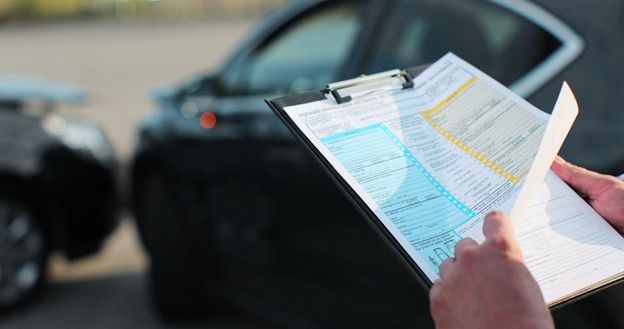
After a car crash in Temecula, an insurance adjuster often calls within a day or two. The person sounds friendly and helpful. They ask if you would give a recorded statement about what happened. Many people say yes because they think they have nothing to hide. But the words you use in that moment can shape your entire claim. Before you agree to a recorded statement after a car accident, it helps to understand what it really is and why it matters. Talking with a car accident lawyer in Temecula first can protect you from mistakes that cost you money later.
Why Insurers Want a Recorded Statement After a Car Accident
Insurance companies make money by paying out as little as possible. When an adjuster asks for a recorded statement after a car accident, they are gathering evidence they can use to lower or deny your claim. They may ask about your injuries, your speed, or how you felt that day. A simple answer like “I’m fine” can be used to argue that you were not really hurt. Understanding how to deal with insurance adjusters after an injury can help prevent uncertain answers from being treated as evidence against you.
California law shapes how these claims work, and knowing it gives you an edge. Under California Civil Code section 3333, you have the right to recover the full amount of damages caused by another driver’s negligence. But California also follows a pure comparative fault rule under Civil Code section 1714, which means your payment drops by your share of the blame. If your recorded words suggest you were partly at fault, the insurer will use them against you. California Insurance Code section 790.03 also bars unfair claim practices, so you have protections too.
What You Might Say by Accident
Most people want to be polite and honest, so they talk too much. The problem is that stress and pain can cloud your memory right after a crash. You might guess at details you do not really know. You might apologize out of habit, and the adjuster may treat that as an admission of guilt.
Here are common mistakes people make during a recorded statement after a car accident:
- Guessing speed: You state a number you are unsure about.
- Downplaying pain: You say you feel okay when you do not.
- Apologizing: You say sorry, and it sounds like a fault.
- Assuming facts: You describe things you did not see.
California’s evidence rules matter here. Under California Evidence Code section 1220, statements you make can be admitted against you as party admissions. California Code of Civil Procedure section 335.1 gives you two years to file a personal injury lawsuit, so there is no rush to speak before you are ready. Taking your time protects both your health and your case.
How Your Words Change the Value of Your Claim
The value of your claim rests on clear proof of harm and fault. When you give a recorded statement after a car accident too early, you may lock yourself into facts that later turn out to be wrong. Doctors often find injuries days after a crash, and your first words may not match what your medical records show. That gap gives the insurer a reason to doubt you.
California law lets you recover several kinds of damages, and your words affect each one. Under California Civil Code section 3281, you can seek payment for the actual losses you suffered, and Civil Code section 3283 allows recovery for future harm you can prove will happen. If your statement makes your injuries sound minor, you weaken your claim for future medical costs. Careful, accurate words help you protect the money you truly need to heal.
Steps to Take Before Giving a Recorded Statement After a Car Accident
You do not have to give a recorded statement to the other driver’s insurance company. Many people feel pressured, but the law does not force you to talk to them. Slowing down and following a few clear steps keeps your rights safe. A little caution now can prevent a big loss later. Learning how to counter insurance adjuster pressure after a crash can also help you avoid rushed decisions.
Follow these steps before you agree to any recording:
- Get treatment: See a doctor first.
- Stay quiet: Avoid guessing details.
- Ask questions: Learn who is calling.
- Call a lawyer: Get advice early.
California backs your right to be careful. Under California Insurance Code section 790.03, insurers cannot misrepresent facts or pressure you unfairly. California Vehicle Code section 20008 requires reporting serious crashes to authorities, which creates an official record you can rely on instead of a rushed phone call. Leaning on facts, not guesses, keeps your claim strong.
Talk to a Local Attorney Before You Say a Word
Your words carry real weight after a car accident, and one wrong phrase can shrink your payout. This post showed why insurers want your statement, what mistakes people make, and how California law protects you. The smartest move is to pause and get guidance before giving a recorded statement after a car accident. Reach out to a local personal injury attorney today, and let a professional handle the insurance company while you focus on getting better.