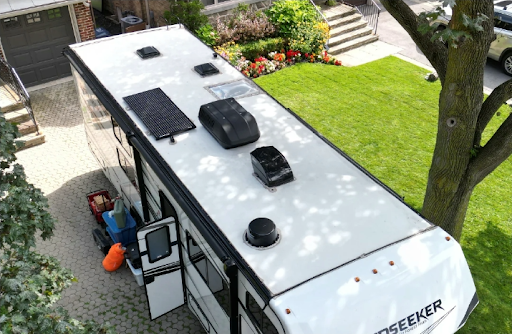
 The top four proven tricks for unbeatable RV roof protection include applying a liquid elastomeric sealant to stop leaks, using reflective white coatings to block UV rays, reducing interior cabin heat, and sealing seams with flexible tape for long-lasting durability.
Road trips, car shows, and weekend outdoor events subject campers and trailers to relentless weather cycles that rapidly degrade factory roofing materials.
Roof deficiencies are the most common problem reported by home inspection associations, with 30% of real estate inspection claims due to roof leaks and water penetration, and 39% of homeowner’s insurance claims because of roof problems.
Integrating a high-quality weatherproof coating into your routine vehicle travel maintenance protects against this invisible damage before costly repairs become necessary.
Getting the Most Out of Your RV
Road trips, car shows, and weekend outdoor events push RVs through relentless weather cycles. Blazing UV rays in summer, hard freezes in winter, and surprise downpours during the shoulder seasons all take a cumulative toll on a roof membrane.
The tricky part is that most of that damage remains invisible until it becomes an expensive structural problem. Small cracks, dried-out seams, and surface degradation sneak up on even well-maintained rigs.
According to general industry data, roof leaks are among the most common and costly repair issues RV owners face, yet routine roof inspection and sealing remain one of the most skipped maintenance steps.
Applying a quality weatherproof coating before the travel season kicks off is proactive vehicle maintenance, not a reactive repair.
Just as enthusiasts seal and protect custom paint to keep a rig looking sharp, sealing the roof stops the elements before they have a chance to do their worst. All four tricks below center on this highly practical, single-weekend upgrade.
| Warning:
Roof damage often remains invisible until it causes expensive structural rot. Make routine roof inspections and sealing a priority, not an afterthought, to avoid massive repair bills. |
4 Simple Tricks to Protect Your RV Roof
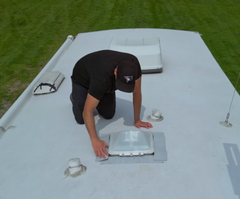
Treat these four benefits as a mandatory pre-trip checklist for the most exposed surface on any camper or trailer.
1. Seal Out Leaks Before They Find You
Even a pinhole crack in a roof seam can let water in after a hard night of rain at a weekend meet. By the time water stains appear on an interior ceiling or soft spots develop along the walls, the moisture damage is already well underway, and the repair bill grows fast.
A liquid-applied elastomeric coating flows into every seam, crack, and fastener hole, curing into a seamless, flexible membrane that moves with the roof rather than cracking under stress.
When evaluating materials for this job, Liquid Rubber’s RV roof coating utilizes elongation technology as a standard. This means the cured membrane can stretch up to nine times its original length without tearing.
When temperatures drop overnight at a campground and the roof contracts, or when summer heat makes it expand, that deep flexibility keeps the seal fully intact.
For maximum leak prevention for RVs, pairing the coating with heavy-duty seam tape around vents, skylights, roof edges, and any penetration points is critical.
These are the spots where most roof failures start, and a little tape reinforcement provides a reliable foundation before ever rolling on a coat of sealant.
2. Give UV Rays Somewhere Else to Be
A cross-country drive to a car show means hours of direct sun exposure, sometimes days of it. The same UV radiation that fades automotive paint and dries out exterior rubber seals is quietly degrading the roof membrane with every passing mile.
UV radiation is highly concentrated between 10 a.m. and 4 p.m., precisely the hours most road trippers are logging miles under an open sky.
Unprotected TPO and rubber roofing materials are especially vulnerable. UV exposure causes surface oxidation, material brittleness, and eventually cracking, all of which accelerate the timeline for severe leaks.
A reflective roof coating creates a barrier that deflects UV energy instead of absorbing it, dramatically slowing surface oxidation and material breakdown.
For enthusiasts looking to maximize UV protection for RV roofs without sacrificing curb appeal, reflective color sealants in white or light gray offer a clean, finished appearance that holds up over time.
Using water-based, zero-VOC formulations also ensures the application avoids harsh fumes and hazmat-level prep, allowing the job to be completed efficiently with a standard roller.
3. Keep Your Cabin Cool on the Long Haul
Climbing into a parked camper after a summer afternoon at an outdoor show often reveals a ceiling radiating heat like an oven.
It creates an uncomfortable environment for passengers and puts serious strain on the air conditioning system, generator, and cooling components, especially during extended trips where systems run continuously.
Reflective elastomeric coatings reduce heat absorption through the roof by bouncing solar energy away from the surface rather than letting it conduct inward.
Cool roof coatings have been shown to reduce rooftop temperatures significantly compared to uncoated surfaces, leading to measurable reductions in interior cabin temperatures.
Elastomeric coatings provide an excellent solution for roof protection and energy efficiency. For effective temperature control in your RV, a coated roof can mean the difference between a comfortable overnight stay and running a generator dry trying to cool the space down.
Less AC demand translates directly to lower fuel consumption, reduced wear on cooling systems, and more comfortable miles for everyone on board.
4. Build a Roof That Lasts as Long as Your Adventures Do
Rubber and TPO roofs wear down over years of thermal cycling, expanding in the heat of summer and contracting in the cold of winter.
Conventional patching solutions struggle to keep up with this constant movement. Rigid patches frequently crack, peel, and delaminate because they simply cannot flex with the roof through season after season of dimensional changes.
An elastomeric membrane bonds directly to the existing surface and moves with it, resisting the peeling and cracking that make conventional patch jobs look worn out after a single season.
Elastomeric coatings are highly flexible and designed to be applied over vertical substrates, including brick, concrete block, stucco, and concrete. For DIY RV roof repair that actually holds up over the long term, the flexible membrane approach is the most reliable method.
Using an RV-specific primer before applying the coating ensures maximum adhesion to specific roofing substrates, whether dealing with rubber, TPO, fiberglass, or aluminum.
This extends the coating life even further and gives the membrane the best possible foundation, delivering professional-grade RV roof protection without requiring a specialized contractor.
| Pro Tip:
Always apply heavy-duty seam tape around vents, skylights, and roof edges before rolling on your liquid sealant. These penetration points are where most devastating roof failures begin. |
Why Liquid Rubber?
When evaluating elastomeric options against standard big-box store products, the technical specifications of specialized formulas stand out for long-term vehicle maintenance.
These modern solutions offer significant advantages over traditional patching methods.
- Water-based and solvent-free formulas are safe for the surrounding environment and require no special respiratory gear during application.
- Simplified application means the material rolls on similarly to standard paint, allowing owners to manage the application without hiring outside help.
- High elongation technology allows the resulting seamless, flexible membrane to outlast rigid patch products by easily absorbing the stress of thermal cycling.
- Commercial-grade performance ensures industrial-level waterproofing technology is adapted for standard maintenance budgets.
| Key Insight:
A reflective roof coating doesn’t just improve comfort; it directly reduces air conditioning demand. This translates to lower generator fuel consumption and significantly less wear on your cooling systems. |
Protect Your Rig Before the Next Big Trip
Whether rolling to a regional car show, heading out on a cross-country road trip, or just keeping a weekend camper ready to launch at a moment’s notice, the roof is the first line of defense against everything the road delivers.
All four tricks above come down to one smart, accessible action: applying a quality weatherproof coating before the season puts the rig to the test. The preparation is minimal, the application is straightforward, and the protection remains durable season after season.
Putting meticulous work into the engine, suspension, and paint makes sense for any enthusiast. Giving the roof that same level of respect ensures the interior remains pristine, allowing drivers to hit the highway with absolute confidence.