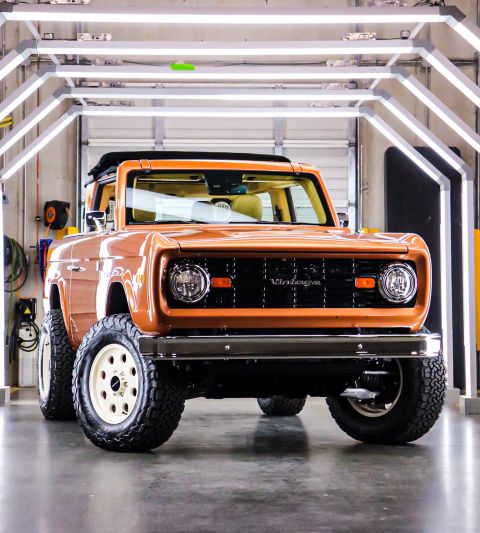
Classic vehicles have never been more relevant than they are today. While electric platforms, automated driving features and digital ecosystems dominate most automotive discussions, something interesting is happening at car events and online enthusiast spaces. People continue to gravitate toward older vehicles, especially the recognizable iconic vintage SUV, not because they reject technology but because these vehicles represent something the industry risks leaving behind.
The past is not fighting the future. It is informing it. Classic vehicles are teaching engineers, designers and mobility planners valuable lessons that still hold power as the automotive world evolves.
1. Mechanical connection still matters to drivers
Modern vehicles offer remarkable convenience, but many drivers feel disconnected from the experience. Recent S&P Global Mobility surveys show that drivers remain cautious about full automation and continue to prefer vehicles with familiar driving dynamics and a sense of control. Classic vehicles provide a more tactile, engaging experience. You feel the steering load, sense the road texture and hear the mechanical heartbeat of the machine. This level of feedback reminds designers that engagement is not obsolete. It is a feature people still want. Modern Classic builders understand this by creating vehicles that keep the classic driving character while meeting current safety and performance expectations.
2. Timeless design outlives trends
Most vintage SUVs share similar traits: upright lines, generous glass, honest proportions and visual clarity. These characteristics are returning in today’s design discussions as consumers express fatigue with over-styled or heavily digitalized interiors.
A recent J.D. Power study found that increasing numbers of owners report problems with infotainment systems, controls and advanced features after initial ownership. Classic design language, with its simplicity and purpose-driven layout, offers a valuable reminder that clarity can be a form of luxury.
This is why so many modern concept vehicles subtly borrow cues from classic off-roaders. The past continues to set the tone for future aesthetics.
3. Safety innovation can blend with heritage design
Traditional classics were not built with modern safety in mind, but their influence is helping engineers rethink how to merge protective systems with familiar form factors. Today’s modern classic platforms include features like multi-airbag systems, crumple zone engineering, traction control, stability control and reinforced steel structures.
Vehicles equipped with these safety features reduce single vehicle fatal crashes. Integrating modern protection within a heritage-inspired layout creates a bridge between emotional design and real world safety.
This approach shows mobility does not have to choose between charm and protection.
4. Identity and culture still matter in transportation
Vehicles are not only tools for movement. They are cultural artifacts. A vintage SUV stands as a symbol of adventure, exploration and personal freedom. Even in a world shifting toward automation, people want vehicles that reflect identity.
Gauge Magazine readers already know this well. The vehicles that turn heads at shows are not always the most technologically advanced, but the ones with presence, personality and story.
Modern Classics take this lesson into the future by blending classic inspired identity with modern drivability. They show that personality still belongs in the mobility conversation.
5. Customization remains a driving force
Classic vehicles have always attracted DIY builders, fabricators and owners who love adding personal touches. That culture has not faded. It has expanded.
A report from SEMA shows that the automotive aftermarket industry in the United States reached 51.8 billion dollars in 2023, driven by consumers who want personalization, even on brand new vehicles.
Vintage SUVs helped define this mindset decades ago. Their modular layouts, straightforward engineering and strong enthusiast communities set the template for the customization culture that exists today. Modern Classic builders carry that legacy forward. Vintage Modern SUVs, for example, are engineered with clear personalization paths built in, allowing owners to choose finishes, interiors and features without sacrificing structural integrity or modern safety.
Future mobility has to recognize this demand. People want vehicles they can make their own, and modern classic platforms show that personalization and contemporary engineering can work together without compromise.
Conclusion
Classic vehicles continue to matter because they reveal something essential about mobility. They demonstrate that design clarity, emotional engagement, mechanical honesty and cultural identity still influence how people connect with cars. The vintage SUV in particular captures a timeless spirit that continues to shape what drivers expect from tomorrow’s vehicles.
As companies explore new powertrains, digital interfaces and automated systems, modern classic builders and mobility leaders alike are learning from the past. The future does not have to abandon traditional driving values. Instead, it can bring them forward with better engineering, safer platforms and renewed purpose.
Classic vehicles are reference points for the direction mobility should take next.