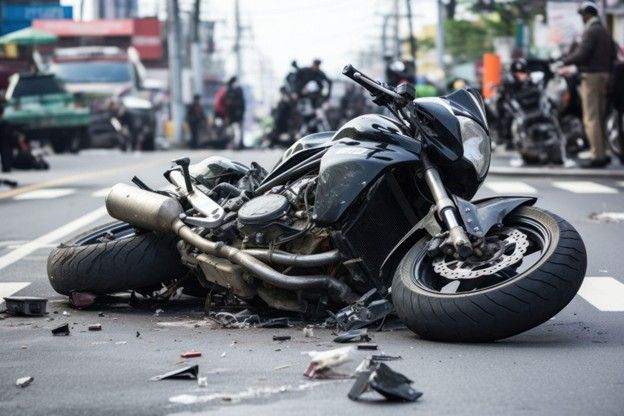
 Motorcycle crashes can happen suddenly. One moment, everything feels normal; the next, life is filled with noise, confusion, and uncertainty. In Tennessee, riders often spend the first days after an accident dealing with injuries, repairs, and just trying to get by.
During this time, many people do not think about reaching out to a motorcycle accident attorney in Tennessee, even though it could help with their claims. This support is often ignored until it is urgently needed. Riders often overlook how important timing, context, and understanding are after a serious crash.
The Aftermath Is Often More Complicated Than the Crash
The crash is just the start. Some of the hardest challenges show up days or weeks later. Pain can get worse as adrenaline wears off, and injuries that seemed small can become more serious. Work, family, and bills do not stop for recovery.
This time can feel lonely for riders. Because motorcycles offer little protection, injuries are often worse, and recovery takes more effort. The difference between what people expect and what really happens during recovery can be surprising.
Riders Often Assume They Should Handle Things Alone
Motorcycle culture values independence. Many riders are proud to solve problems on their own, whether it is fixing their bike or dealing with pain. But after an accident, this way of thinking can make things harder.
Handling insurance, medical choices, and lost income while trying to heal can quickly feel overwhelming. Many people skip legal support because they think it only means lawsuits or conflict, not realizing it can offer guidance and protection during uncertain times.
Early Decisions Carry More Weight Than Expected
In the days after a motorcycle accident, riders are often asked to explain what happened, sometimes more than once. They may have to do this while on medication, in pain, or still trying to make sense of everything.
What many riders do not realize is that early statements and decisions can shape how the accident is viewed later. Gaps in medical care, casual remarks, or assumptions about fault can all take on unintended significance. Legal support at this stage means avoiding preventable complications and building a strong personal injury claim from the get-go.
Insurance Does Not Always Reflect a Rider’s Reality
Motorcycle insurance is often different from car insurance in key ways. Coverage limits can be lower, medical benefits may be limited, and damage to custom parts or gear might not be fully covered.
Riders often discover these limitations only after filing a claim. Without a clear understanding of how insurance operates in motorcycle cases, riders may accept outcomes that do not reflect the full impact of their injuries or losses.
Bias Against Motorcyclists Is Still Real
Another challenge riders face is perception. Even when a crash is not their fault, motorcyclists are sometimes assumed to be reckless or aggressive. This bias can influence how accidents are discussed, investigated, and resolved.
Having support that understands these assumptions can make a difference. It helps ensure that a rider’s experience is evaluated based on evidence and context, not stereotypes.
Recovery Can Affect More Than Health
Serious motorcycle injuries often affect more than the body. Riders may lose the ability to commute, work certain jobs, or participate in activities that once defined their identity. Anxiety around riding or traffic is common, even for experienced riders.
These changes can be difficult to articulate, especially when others expect a quick return to normal. Legal support is often overlooked here, even though long-term lifestyle changes are part of what riders are navigating.
Tennessee Adds Its Own Complications
Tennessee’s approach to fault and responsibility can complicate motorcycle accident cases. Fault may be shared, and even partial responsibility can influence outcomes. Riders who are unfamiliar with these rules may not realize how small details can matter later.
Understanding how state-specific rules apply does not mean taking immediate action. It means recognizing that the system has its own structure, one that riders are rarely prepared to navigate while recovering.
Support Is Not Just for Worst-Case Scenarios
One of the biggest misconceptions is that legal support is only for extreme situations. In reality, it often plays a role long before anything escalates. It can help riders understand options, timelines, and potential risks without committing to a particular path.
When riders wait until problems become urgent, options may already be limited. That is why support is often most valuable when it feels least necessary.
Seeing Support as Part of Recovery
The legal support riders often overlook is not about blame or confrontation. It is about balance. It helps protect space for healing by reducing uncertainty and preventing avoidable setbacks.
Recovery from a motorcycle accident in Tennessee is rarely simple. It involves physical healing, emotional adjustment, financial stability, and a return to confidence. Recognizing the role of support, before circumstances demand it, can make that process less overwhelming.