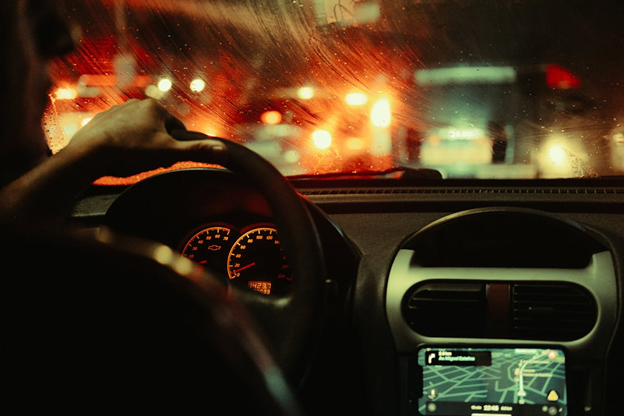
 As modern vehicles become more technologically complex, windshields have evolved alongside them. Modern Windshields have always been essential to how vehicles protect drivers and passengers. Today, however, they do far more than protect drivers and passengers from wind and road debris.
Newer windshields now play a critical role in how modern vehicles process their surroundings. In this blog, we’ll walk through the evolution of auto glass, highlight the innovations changing vehicle safety, and break down how smart windshields contribute to the performance of autonomous and semi-autonomous systems.
The Evolution of Auto Glass
The earliest automobiles offered little protection from the elements, and when windshields were first introduced, they were made from the same brittle glass found in household windows. These brittle windshields would do more harm than good as they could shatter easily in the event of an accident, creating safety risks for drivers and passengers.
This began to change in the 1920s with the introduction of laminated safety glass, which uses a thin plastic layer between two sheets of glass to hold the surface together when it cracks. As vehicles became faster and safety regulations evolved, laminated windshields became the standard.
By the mid-20th century, curved windshields further improved visibility and aerodynamics, marking another major step forward. Today, automotive glass has moved well beyond basic protection, playing an important role in vehicle structure, safety systems, and overall performance.
Top Car Glass Innovations Transforming Vehicle Safety
As vehicle safety standards advance, automotive glass has evolved far beyond its original purpose. Smart and sustainable windshields are engineered to support safety systems and maintain structural integrity during an impact, which makes proper installation more important than ever.
This is why choosing a professional windshield replacement service matters more than relying on temporary fixes or DIY solutions. Some key features of modern windshields include:
- Advanced Laminated Glass for Impact Resistance: Advanced laminated glass uses engineered interlayers that improve impact absorption and structural stability. When struck, the glass is designed to fracture in a controlled way while remaining bonded, helping maintain the windshield’s role as a barrier and contributing to occupant safety during crashes.
- Sensor-Optimized Windshield Zones: Sensor-optimized windshield zones are produced with tighter tolerances to minimize distortion and optical variation. These areas help ensure forward-facing cameras receive a clear, undistorted view of the road, supporting reliable operation of ADAS features such as lane-keeping and collision warnings.
- Heads-Up Display (HUD) Compatible Glass: Windshields designed for heads-up displays are built differently than standard glass. They often use specialized layers that reduce image doubling and improve clarity, allowing important information to appear sharp and easy to read. This helps drivers stay informed without taking their eyes off the road.
- Hydrophobic and Water-Repellent Coatings: Heated windshields use fine embedded elements to prevent fog, frost, and ice from forming on the glass. Unlike traditional defrosting methods, this technology clears the windshield quickly and evenly, helping drivers maintain visibility without delay in cold or humid conditions.
- Heated Windshield Technology: Heated windshields use fine embedded elements to prevent fog, frost, and ice from forming on the glass. Unlike traditional defrosting methods, this technology clears the windshield quickly and evenly, helping drivers maintain visibility without delay in cold or humid conditions.
- Acoustic Windshields for Noise Reduction: Acoustic windshields are designed to reduce road and wind noise entering the cabin. By incorporating sound-dampening layers, these windshields create a quieter driving environment, which can help reduce fatigue and improve overall comfort on longer drives.
- Solar Control and UV-Filtering Glass: Solar and UV-filtering glass incorporates coatings and interlayers that block specific wavelengths of light. This reduces heat buildup inside the vehicle and limits UV exposure, helping protect both passengers and interior materials.
How Smart Auto Glass Enhances Safety & Autonomous System Performance
Autonomous driving systems are designed to handle routine driving, but unpredictable conditions often present the biggest challenge. Glare at sunrise, heavy rain, or rapid temperature changes can interfere with how a vehicle interprets its surroundings.
Smart auto glass helps create a more consistent visual environment, allowing these systems to process information more effectively when real-world conditions become unpredictable.
As autonomous technology continues to evolve, its success will depend on how well vehicles handle the imperfect conditions of real-world driving. Smart auto glass plays a supporting role in meeting that challenge by helping perception systems operate reliably outside of controlled environments.
The Role of Calibration After Windshield Replacement
Replacing a windshield on a modern vehicle is no longer just a matter of fitting new glass into place. Many advanced safety and driver-assistance systems rely on cameras mounted behind the windshield, and those systems are calibrated to very specific reference points. When the windshield is removed and replaced, even small changes in positioning can affect how those cameras interpret the road.
Recalibration is the process of realigning those systems so they match the vehicle’s original specifications. In some cases, this is done while the vehicle is stationary using precise targets placed at set distances. In other situations, calibration happens while the vehicle is driven under controlled conditions so the system can relearn its surroundings in real time. The method depends on the vehicle and the technology it uses.
Skipping calibration or performing it incorrectly can lead to inaccurate readings, delayed responses, or safety features that behave unpredictably. In vehicles that rely heavily on driver assistance, that loss of accuracy can reduce the effectiveness of systems designed to help prevent accidents. Proper calibration helps ensure those systems continue to operate the way they were intended.
Key Takeaways
The shift toward automation has changed what we expect from every part of a vehicle, including the windshield. Its role in safety, perception, and automation places it at the center of modern vehicle design. The way auto glass is engineered and maintained now has a direct impact on how vehicles perform in everyday and unexpected situations. As the industry moves toward greater levels of automation, the windshield will remain a critical link between the vehicle and its environment.