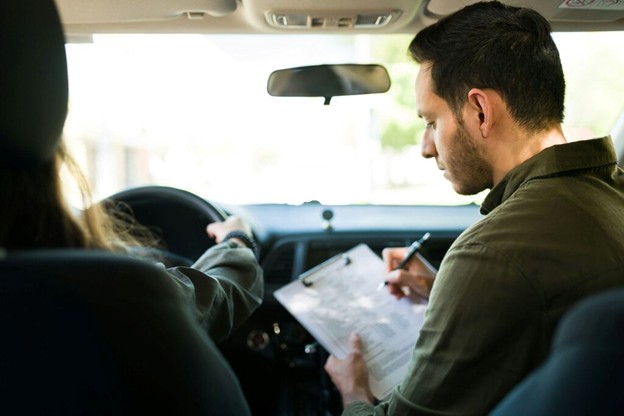
The test drive is the part of buying a used car that feels definitive. You get behind the wheel, take it through its paces, listen for anything that sounds wrong, and form a judgment based on how it feels. That judgment carries a lot of weight in most purchasing decisions, which is understandable given that it’s the most direct interaction most buyers have with the vehicle before money changes hands.
The problem is that a test drive tells you almost nothing about the most significant risks associated with buying a used car. It tells you how the car feels on the day. It tells you nothing about whether the vehicle has outstanding finance that could result in repossession, whether it has been written off and rebuilt, or whether the odometer reflects the actual distance travelled. All of those things are invisible on a test drive and entirely visible in a vehicle history report, which is why the due diligence most buyers apply to used car purchases is the wrong way around.
Before purchasing any used vehicle, buyers should also review our guide on what evidence is used in serious truck accident cases to better understand how vehicle records and documentation can play an important role in ownership and legal matters.
What a Vehicle History Check Actually Contains
A comprehensive vehicle history report covers information that sits entirely outside what any physical inspection can reveal. Finance and encumbrance checks are the most immediately consequential component. A vehicle with outstanding finance registered against it can be repossessed by the lender even after it has been sold to a new owner, meaning a buyer who skips this check can lose both the car and the money paid for it.
Written-off status is equally critical. Vehicles declared a total loss fall into two categories: statutory write-offs, which cannot legally be re-registered, and repairable write-offs, which can be re-registered after inspection but must be disclosed. A write-off history that has been concealed from a buyer is a significant problem both for safety and resale value.
Stolen vehicle checks confirm the vehicle hasn’t been reported stolen. Odometer assessment cross-references recorded mileage against historical data to identify potential rollback. Recall lookup identifies any outstanding manufacturer recalls affecting the specific vehicle. Market valuation gives buyers a data-backed reference for assessing whether the asking price reflects genuine market worth.
The National Highway Traffic Safety Administration (NHTSA) maintains a vehicle recall database that allows consumers to identify open recalls and safety issues affecting specific vehicles.
The Hidden Problems a Test Drive Will Never Reveal
The risks that vehicle history checks surface are almost entirely undetectable through physical inspection, which is what makes them consistently dangerous for uninformed buyers.
A vehicle with significant outstanding finance can be in perfect mechanical condition, drive flawlessly, and pass any physical inspection without revealing a single indication that a lender holds an interest in it. The buyer who relies on the test drive experience alone has no way of knowing what they’re taking on until the repossession notice arrives.
A professionally rebuilt write-off is similarly invisible on a test drive. The structural repairs may hold up perfectly under normal driving conditions, the paint and panel work may show no visible signs of previous damage, and the car may feel entirely normal. What the buyer doesn’t know is that the vehicle’s insurability and resale value may be permanently compromised.
Odometer rollback is perhaps the most insidious risk because it directly affects how a buyer assesses the remaining life of the vehicle. A car presented as having covered 80,000 kilometres when it has actually covered 180,000 is not the vehicle being represented, regardless of how well it performs on a test drive. For buyers wanting to check your revs online before any commitment is made, a vehicle history service that includes an official PPSR certificate alongside these checks provides access to all of that information upfront.
The Scale of the Problem
The prevalence of undisclosed vehicle history issues is considerably higher than most buyers assume. Analysis of vehicle history reports reveals that more than one in five vehicles checked has issues buyers would want to know about before purchasing. That represents a significantly higher rate of problematic history than the used car market’s general presentation would suggest.
The consequences vary in severity but are consistently negative. An encumbered vehicle can be repossessed with no legal recourse. A concealed write-off may be uninsurable or carry significantly reduced insurance value. Outstanding recalls present safety risks the manufacturer has already identified. Running a revs check before purchase is the most reliable way to surface these risks before they become the buyer’s problem rather than the seller’s. In each case, the buyer who skips that step bears the cost of a risk they had no way of quantifying without the information a history check would have provided.
The cost of a comprehensive vehicle history report is modest relative to any used vehicle purchase price, making the risk-adjusted case for obtaining one the most straightforward financial calculation in the entire transaction.
How to Run a Check and What to Do With the Results
The process is straightforward. The buyer needs either the vehicle’s registration plate number or its Vehicle Identification Number, both accessible before any purchase commitment. Entering either into a vehicle history service generates a report typically delivered within minutes.
Most services offer tiered reports. A basic report covers finance status, written-off history, and stolen vehicle status. A comprehensive report adds odometer assessment, recall lookup, market valuation, and model-specific issues guidance.
A clean report is a positive indicator but not an absolute guarantee, since history reports reflect recorded events and some issues may not appear in official registers. A report showing encumbrance, write-off history, or stolen status is a clear signal to walk away or seek specific documentation before proceeding.
Consumers researching a vehicle purchase may also find value in our article on how insurance companies calculate car accident payouts, which explains how vehicle value and history can influence claims.
Why the Check Comes Before the Test Drive
A vehicle that drives beautifully but carries undisclosed finance, write-off history, or odometer fraud is not a good vehicle to buy regardless of how it felt on the road. The sequence that serves buyers best is history check first, test drive second, and purchase decision made with both sets of information rather than just one.