For years, the electric bike industry, including the growing market for folding electric bikes, has focused heavily on familiar specifications: battery range, motor power, torque output, and charging speed. These numbers became the primary language of e-bike marketing, shaping how consumers evaluated products and how manufacturers competed.
But urban mobility is changing, and so are the priorities of riders.
In cities where apartment living is common, storage space is limited, and commuting increasingly involves multiple modes of transport, a different question is becoming more important:
How easy is this bike to live with every day?
That shift is helping drive the rapid rise of the folding electric bike—a category that is evolving from niche convenience product into one of the most practical forms of urban electric mobility.
More importantly, folding e-bikes are beginning to redefine what people expect from personal transportation itself.
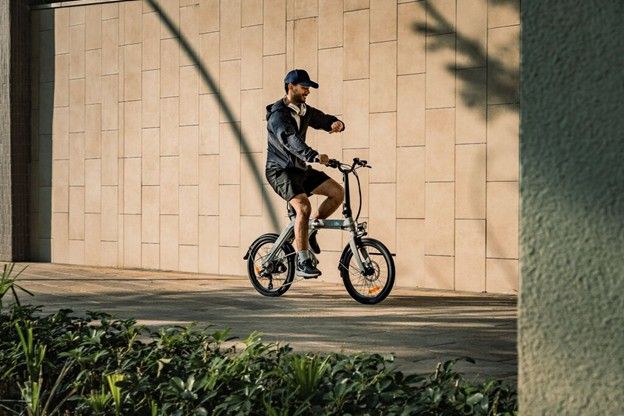
Portability Is Becoming the New Performance
The first generation of e-bikes largely focused on solving cycling limitations. More power meant easier hill climbing. Larger batteries meant longer rides. Higher torque meant faster acceleration.
But for many urban riders, the biggest transportation problems are no longer about speed or endurance.
They are about logistics.
- Where do you store the bike?
- Can you carry it upstairs?
- Will it fit in a small apartment?
- Can you bring it into an office?
- Can it integrate with trains or rideshare systems?
In this environment, portability is becoming just as valuable as raw performance.
A folding electric bike directly addresses these concerns by reducing the physical and spatial burden associated with traditional bicycles and larger e-bikes.
This is particularly important in dense urban environments where mobility tools must fit around daily life—not the other way around.
Why Folding Electric Bikes Matter More Than Before
The idea of folding bicycles is not new. Folding bikes have existed for decades, primarily targeting commuters with limited storage space.
What has changed is the broader urban environment around them.
Smaller Living Spaces
In many major cities, apartment sizes are shrinking while housing costs continue to rise. Large garages and dedicated storage rooms are becoming less common, especially among younger urban professionals.
Traditional e-bikes, often weighing 60 pounds or more, can become difficult to store indoors. Folding electric bikes reduce this friction by offering a transport solution that can fit into compact living environments.
For many riders, this is not simply a convenience feature—it determines whether owning an e-bike is realistic at all.
The Rise of Multi-Modal Commuting
Modern commuting increasingly involves multiple forms of transportation.
A rider may:
- bike to a train station
- carry the bike onto public transit
- continue riding after exiting the train
- store the bike inside an office
This kind of “transport chaining” is becoming increasingly common in cities attempting to reduce car dependency.
Folding electric bikes fit naturally into this ecosystem because they are designed not only for riding, but also for carrying, storing, and transporting between journeys.
In this sense, they are less like traditional bicycles and more like integrated mobility devices.
Replacing the Second Car
For many urban households, folding e-bikes are beginning to replace the role traditionally occupied by a second vehicle.
They offer:
- low operating costs
- minimal parking requirements
- faster urban navigation
- easier short-distance commuting
Compared to cars, they require far less infrastructure. Compared to scooters, they often provide better stability, comfort, and riding ergonomics.
This positions folding e-bikes in an increasingly important middle ground within urban transportation systems.
Folding E-Bikes Are Not Simply “Smaller Bikes”
One of the biggest misconceptions about folding electric bikes is that they are merely reduced-size versions of traditional bicycles.
In reality, modern folding e-bikes represent a complex engineering challenge centered around urban optimization.
Designing a successful folding electric bike requires balancing several competing priorities:
- Structural rigidity
- Weight reduction
- Folding mechanism durability
- Battery integration
- Ride stability
- Portability
Unlike standard bicycles, folding models must maintain riding confidence while introducing additional moving components into the frame structure.
This is why modern folding e-bikes have evolved so dramatically in recent years.
Why Today’s Folding E-Bikes Are Fundamentally Different From Older Models
Early folding bikes often sacrificed ride quality for compactness. Small wheels, unstable frames, and awkward ergonomics limited their appeal.
Modern folding electric bikes are changing that equation through several major technological developments.
Torque Sensors and Smoother Assistance
Many newer folding e-bikes now incorporate torque sensors rather than relying solely on cadence-based systems.
This creates:
- smoother acceleration
- more natural pedal assistance
- improved riding control in stop-start urban environments
The result is a riding experience that feels significantly more refined than earlier compact e-bike generations.
Lightweight Materials
Advances in frame engineering have also improved portability without sacrificing strength.
Manufacturers increasingly use:
- aerospace-grade aluminum
- magnesium alloy
- carbon fiber components
These materials allow folding e-bikes to remain rigid while reducing overall weight—critical for riders carrying bikes upstairs or onto transit systems.
Better Battery Integration
Battery systems are becoming smaller, cleaner, and more integrated into the frame itself.
This improves:
- aesthetics
- weight distribution
- portability
- overall design simplicity
Many folding e-bikes now resemble modern consumer electronics products as much as traditional bicycles.
Industrial Design Evolution
Perhaps most importantly, folding e-bikes are becoming lifestyle-oriented products rather than purely utilitarian machines.
Minimalist frame design, integrated lighting, hidden cables, and cleaner silhouettes are all helping folding e-bikes move into a more premium urban mobility category.
Folding Electric Bikes vs. Electric Scooters
An increasingly relevant comparison is between folding e-bikes and electric scooters.
Both target short-distance urban mobility, but they approach the problem differently.
| Folding e-bike | Electric scooter |
|---|---|
| Better ride stability | More compact overall |
| More comfortable posture | Easier to carry short distances |
| Better for longer commutes | Faster deployment |
| Safer over uneven surfaces | Simpler learning curve |
| Better range potential | More portable indoors |
Rather than replacing each other, the two categories are beginning to occupy different mobility niches.
Electric scooters prioritize extreme portability and ultra-short urban trips.
Folding e-bikes prioritize comfort, ride confidence, and versatility while remaining highly portable.
This makes folding e-bikes particularly appealing for commuters who want portability without sacrificing riding quality.
Real-World Urban Uses for Folding Electric Bikes
The strongest argument for folding electric bikes is not theoretical—it is practical.
Their value becomes obvious in everyday urban scenarios.
Apartment Living
For riders without garages or secure outdoor storage, folding bikes solve one of the biggest barriers to ownership: indoor storage.
Train Commuting
Compact folding designs make integration with rail systems far more realistic than with full-size e-bikes.
Office-Friendly Mobility
Many commuters now bring folding bikes directly into workplaces rather than locking them outside.
Car Trunk Transport
Folding e-bikes can also function as mobility extensions for drivers, enabling flexible parking outside congested city centers.
Short Urban Trips
For trips under 10 miles, compact e-bikes often provide one of the most efficient transportation methods available.
Regardless of trip length, riders should follow established bicycle safety guidance from NHTSA, including wearing a properly fitted helmet, remaining visible, following traffic signals, and checking the bicycle before riding.
Industry Example: Fiido and Compact Urban Mobility
Several manufacturers are now focusing heavily on compact urban transportation, and Fiido is one example of this broader transition toward portability-focused design.
👉 Fiido Folding Electric Bikes
Rather than emphasizing raw power or oversized battery systems, these designs focus on practical urban integration.
The Fiido X, for example, uses a magnesium alloy frame and torque-sensor system to create a more premium folding e-bike experience centered around portability and clean urban design.
The Fiido D11 takes a lighter commuter-focused approach, emphasizing portability, removable battery convenience, and everyday practicality for mixed commuting environments.
Together, these models reflect a broader industry shift: folding e-bikes are evolving from niche commuter tools into fully integrated urban mobility platforms.
The Limitations of Folding Electric Bikes
Despite their advantages, folding e-bikes are not perfect solutions for every rider.
Some challenges remain:
- Folding mechanisms introduce additional engineering complexity
- Smaller wheel sizes can reduce comfort on rough roads
- Lightweight construction often increases cost
- Many folding e-bikes are still relatively heavy compared to non-electric folding bikes
Durability also becomes especially important because hinge systems experience repeated mechanical stress over time.
As a result, long-term frame quality and engineering precision remain critical differentiators within the category.
Will Folding Electric Bikes Become Mainstream?
Folding electric bikes are unlikely to replace traditional bicycles entirely.
However, they are becoming increasingly important within a specific and rapidly growing category: urban mobility.
As cities continue evolving toward:
- denser living environments
- lower car dependency
- integrated public transport systems
- and shorter daily travel patterns
the value of portability will continue to increase.
In many ways, folding e-bikes are no longer competing directly against bicycles alone.
They are competing against:
- cars
- scooters
- public transit inconvenience
- and urban space limitations themselves
Conclusion: The Future of Folding Electric Bikes
The future of urban mobility may not belong to the fastest vehicle or the most powerful one.
Instead, it may belong to the transportation tools that integrate most seamlessly into daily life.
That is why folding electric bikes matter.
They are not simply smaller bicycles. They represent a broader shift toward mobility systems designed around flexibility, portability, and urban practicality.
In the coming years, the most important innovation in personal transportation may not be how far a vehicle can travel—but how easily it fits into the spaces where modern life actually happens.