Engine Bay Wiring can quickly become frustrating when connectors are buried deep between components and access is limited. Anyone who has wired a build knows the spot. The connector you need is jammed down between the firewall and the valve cover, you can barely get two fingers on it, and the locking tab will not let go. Reach in with regular needle-nose and you will get it loose, but you will probably crush the tab or bend a pin doing it. There is a better tool for that job, and the difference is in how the jaws close.
Whether you are building a custom vehicle, upgrading electronics, or troubleshooting an electrical problem, Engine Bay Wiring often comes down to using the right tools and techniques to avoid damaging expensive connectors.
For builders working on custom projects, Gauge Magazine has also covered topics like modern vehicle electronics and software integration, where proper wiring practices are more important than ever.
Why Regular Needle-Nose Let You Down in Engine Bay Wiring
Regular needle-nose pliers pivot at one point, so they close like scissors and all the grip lands at the tip. On a battery cable that is fine. On a thin plastic locking tab or a row of connector pins, the tips dig in at one spot and crush before they hold. Plenty of builders work around it by slipping a piece of rubber hose over the jaws to spread the load (source). That helps, but it is a patch on a tool that was not built for the job.
What Parallel-Action Long-Nose Does Differently
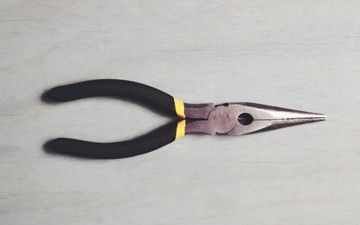
Parallel-action jaws stay flat to each other the whole way closed. Instead of pivoting to a point, they run on a box joint, so the full length of the jaw closes flat and grips evenly end to end. On a locking tab, that spreads the load across the whole tab instead of one spot, so the tab flexes free instead of cracking. On a pin you are easing out, the jaw holds it square instead of bending it. You still get the long reach down into the bay; the flat grip is what keeps you from wrecking what you grab.
Maun Pliers – The Long-Nose Set Built for This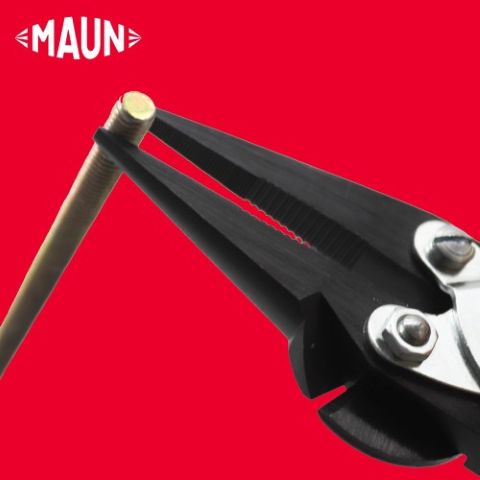
Maun Long Nose Pliers are built on that box joint. They are British-made, and the whole long-nose range uses the parallel-action jaw, so it grips flat down the length instead of pinching at the tip.
The trade-off is cost and scope. A specialist set runs more than a parts-store pair, and if you are mostly hauling on battery cable you do not need it. For the fiddly connector and pin work deep in the bay, where a cracked housing means chasing a fault later, the flat grip is the reason to reach for it.
According to the National Highway Traffic Safety Administration, modern vehicles rely heavily on electronic systems and sensors. Protecting electrical connectors during service helps preserve the integrity of these systems and prevent future problems.
Working a Tight Connector Without Wrecking It

Once you are in a packed bay, work in this order.
- Find the lock first. Almost every connector has a tab or a slide-lock. Work out which way it releases before you pull anything.
- Release it, do not pull against it. Press the tab with a pick or the plier tip and let the connector come apart on its own. Pulling against a locked tab is how you snap it.
- Grip the housing, not the wires. Put the jaws on the connector body so the load sits on the housing. Grab the wires and you can back a pin out by accident.
- Ease it straight out. Rock it along its axis, not side to side, so the pins stay lined up.
- Reseat it clean. Line it up, push until it clicks, and give it a light tug to check the lock caught.
Many electrical problems that appear later in a build are actually caused by damaged connectors during installation. Proper Engine Bay Wiring techniques help eliminate those issues before they start.
When Regular Pliers Are Fine
Not every job needs the precision set. Battery terminals, fat cable, and general pulling are fine with a standard pair, and you will not care if it gets chewed up. Save the parallel long-nose for the fragile, expensive-to-replace connectors where a bent pin turns a quick job into a long one.
Builders working with custom audio systems may also find our guide on choosing the right wire for your car audio system useful when planning electrical upgrades.
FAQ
What tool do you use to disconnect electrical connectors? A pick or a dedicated release tool to press the locking tab, plus long-nose pliers with an even grip to hold the housing and ease the connector out without crushing it.
What connectors are common in automotive wiring? Sealed multi-pin connectors run most modern bays: Weather Pack and Metri-Pack on a lot of GM wiring, Deutsch connectors on heavier and off-road builds, and a mix of OEM housings everywhere else. They all share the same weak point, the locking tab.
What is the best way to grip a connector without breaking it? Grip the housing, not the wires, with a tool that holds flat along the jaw instead of biting at the tip and support the connector with one hand while you work the lock with the other.
The Bottom Line
Engine Bay Wiring comes down to the small stuff: clean grounds, labelled runs, and connectors that go back together the way they came apart. A long-nose pair that grips flat instead of pinching saves the connectors you paid good money for. In a tight bay, that is the difference between a clean reconnect and a fault you chase all afternoon.
As vehicles continue to become more dependent on electronics, careful Engine Bay Wiring practices and the right tools can save time, reduce frustration, and prevent costly repairs later.