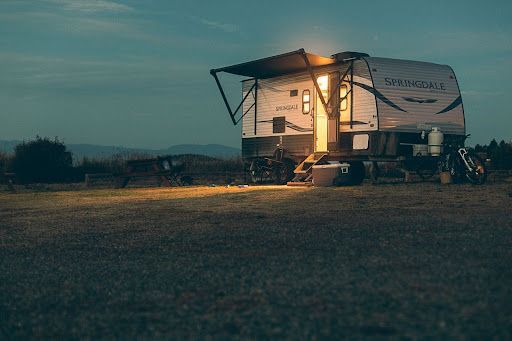
 Looking to protect your RV, trailer, or extra vehicle without all the stress?
Every gearhead knows the struggle. You spend thousands of dollars on your rig only to get frustrated every time you need to park it. HOAs, decreasing driveway sizes, judgmental neighbors. Finding storage space for furniture, vehicles and gear has felt nearly impossible.
Fortunately,
There are solutions. Vehicle parking doesn’t have to be stressful. Once you have the right setup locked down, you’ll have more time and energy to plan your next adventure.
Let’s dig in!
What you’ll learn:
- Why Vehicle Storage is More Important Than Ever
- Different Types of RV and Vehicle Parking Options
- How To Properly Choose The Right Storage Setup
- Tips To Keep Your Rig Safe While It’s Stored
Why Vehicle Storage is More Important Than Ever
RV ownership has skyrocketed by 62% in the last 20 years. Currently there are over 11 million American households that own an RV. That’s millions of large vehicles needing a “home” when they’re not being driven.
And let’s be honest, most RV’s aren’t being driven every day. The average RV is only used 25 days per year. That means they sit unused (and in need of secure parking) for over 90% of the year.
The issue?
Fewer homes have driveways big enough to accommodate a 30 foot Class A. HOAs are restricting storage options. Cities are imposing tighter parking restrictions. And street parking just leaves your rig vulnerable.
That’s why so many vehicle owners are turning to alternate storage options. Whether that means storage for furniture displaced by a full garage, or storage for the RV itself, demand is high and growing.
Need to clear out the driveway? You can find different offers for outdoor parking for RVs, trailers, and spare vehicles, with wide drive lanes for easy maneuvering. Covered options may be available depending on the location. Storage units in Arizona are even being used as extra storage for cars and furniture when homeowners run out of garage and driveway space.
Different Types of RV and Vehicle Parking Options
Parking your rig somewhere isn’t always as simple as tossing it in the driveway. There are different types of vehicle parking that every gearhead should know.
Outdoor Parking
The most basic is outdoor parking. Outdoor storage is just like it sounds. Secured fence surrounding lots with designated spaces for each vehicle. This is great for trailers, boats, and other vehicles that can handle the outdoor elements.
Drawback? No shelter from the sun, rain, dust, etc. Prolonged outdoor exposure can cause paint fade and damage finishes over time.
Covered Parking
One step up from outdoor parking is covered spots. Covered parking usually refers to a roof with open sides. Similar to a carport. This allows for shaded vehicle storage without breaking the bank.
Covered is the perfect middle ground for gearheads living in hot climates.
Enclosed Storage
Then there are enclosed storage units. Completely weatherproof and sealed off from the surrounding environment. Think of it as a storage version of a garage at home. Ideal for classic cars, expensive rigs, and anything that needs maximum protection.
But…
It’s more expensive. Enclosed storage can cost considerably more than outdoor spots. That extra expense is worth it for higher end vehicles that need maximum protection.
How To Properly Choose The Right Storage Setup
Every vehicle owner will have different storage needs. But here are the basics to choose the perfect setup:
Size
Can the unit actually fit your vehicle? Trailer dimensions vary wildly so measure before getting locked into a contract. Fifth wheels are huge compared to compact trailers.
Security
Gated entrance? Security cameras? Well lit areas? If your RV is an investment, store it like one.
Access
24/7 access? Weekend only? Some storage facilities have limited access hours so keep that in mind if you like spontaneous weekend road trips.
Location
Location. Location. Location. You know the joke. The closer the facility to your house, the better. Nobody wants to drive 30 minutes just to access their vehicle.
Climate
If you live in the desert or something like Arizona, consider covered or enclosed parking to protect your rig from intense heat. Same goes for snowy climates. Some cover is better than none at all when it comes to prolonged sun exposure.
There you have it. When it comes to matching storage with your rig, just remember these 5 factors. Type of storage, vehicle size, security, access, and climate.
Taking into account each of these things will guarantee you make the right choice for both your vehicle and your budget.
Tips To Keep Your Rig Safe While It’s Stored
Storing your RV or vehicle is only half the battle. The rig needs to stay looking nice and running while it sits too.
Believe it or not, vehicles that sit for long periods of time can start to experience some serious problems. But there are steps you can take to ensure it stays road-ready:
- The battery prevents voltage from slowly draining the life out of your battery by disconnecting it before storage. Or better yet, use a trickle charger.
- Tires add extra air (to recommended PSI) and use tire covers to avoid UV damage and flat tire spots.
- Fluids top off all fluids before storing. Also, add fuel stabilizer to your gas tank to avoid breakdown while sitting.
- Protect it: Cover your ride, even if it’s in a covered or enclosed facility. An extra layer of UV protection will keep things looking sharp inside and out.
- Pests Don’t let mice make their new home in your vehicle. Use rodent deterrents and make sure there are no openings for them to squeeze into.
Taking these extra steps before storing your RV or vehicle will save tons of headaches (and money) in the long run.
Wrapping Things Up
Parking that RV or extra vehicle doesn’t have to come with needless stress. Storage for furniture, gear, vehicles is everywhere. You just need to do some research until you find the perfect option.
Remember:
- Demand for vehicle storage is higher than ever.
- Outdoor, covered, and enclosed storage all have their pros and cons.
- Make sure you choose the correct size and type of storage for your rig.
- Prep your vehicle before storing it away for long periods of time.
- Check out security features and access hours.
RV sales are at an all time high. And unfortunately, parking restrictions will only continue to tighten. Making a plan for vehicle parking and storage should be every homeowner’s priority.
Plan it out now, and your next trip will be that much sweeter.