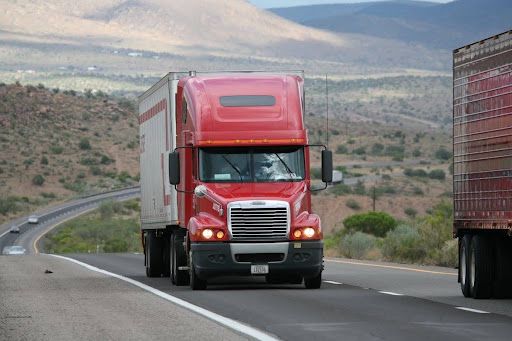
Following a commercial truck collision, the moments afterward often feel like a blur of emergency responders, insurance adjusters, and mounting medical concerns. A truck accident injury consultation is one of the most important steps you can take after the crash. According to the Federal Motor Carrier Safety Administration (FMCSA), large trucks were involved in more than 5,900 fatal crashes nationwide during 2023, with injury rates significantly exceeding those of passenger vehicle collisions because of the tremendous size and weight difference. Despite these sobering statistics, many crash survivors arrive at their first consultation unprepared for what it involves—or why it matters so much for both their recovery and their legal rights.
The consultation process has evolved dramatically as medical understanding of truck accident trauma has advanced and legal procedures have become more complex. Today’s injury consultations serve a dual purpose that many people don’t fully grasp: they’re simultaneously diagnostic medical evaluations and evidence-gathering sessions that can influence everything from treatment plans to compensation outcomes. For anyone facing this critical appointment after a commercial truck crash, understanding what happens during these sessions—and how to prepare for them—can mean the difference between receiving comprehensive care and missing crucial opportunities for both healing and justice.
Why a Truck Accident Injury Consultation Matters
The truck accident injury consultation stands apart from routine medical visits because of the unique forces involved in commercial vehicle crashes. When a 40-ton tractor-trailer collides with a passenger vehicle, the resulting injuries often present with delayed symptoms, multiple body systems affected simultaneously, and complex patterns that require specialized evaluation protocols.
Unlike typical accident consultations, truck crash evaluations must account for the specific mechanisms of injury created by the size and weight disparities. A rear-end collision with an 80,000-pound truck generates forces capable of causing internal injuries even when external damage appears minimal. Similarly, the height difference between truck bumpers and passenger car frames creates unique injury patterns—particularly to the head, neck, and upper torso—that standard accident protocols might not immediately identify.
The consultation’s legal significance cannot be overstated. Insurance companies representing trucking firms often deploy teams of adjusters and medical reviewers within hours of a crash, specifically looking for gaps in medical documentation that they can use to minimize claims. A thorough injury consultation creates the medical foundation that protects against these tactics, establishing baseline documentation of injuries before they’re dismissed as pre-existing conditions or unrelated ailments. Understanding what to do immediately after a car accident can also strengthen your case from the very beginning.
Beyond the immediate medical and legal implications, the consultation serves as a roadmap for recovery. Truck accident injuries frequently require coordinated care across multiple specialties—orthopedics, neurology, psychology, and rehabilitation medicine. The initial consultation identifies which specialists need to be involved and in what sequence, preventing the fragmented care that can delay healing and complicate claims.
Recognizing Common Truck Accident Injuries
Head, Neck, and Spinal Injuries
The violent forces generated in truck collisions create particularly devastating neurological and musculoskeletal injuries, many of which don’t announce themselves immediately. Traumatic brain injuries often present subtly at first, with survivors reporting difficulty concentrating, headaches, or mental fogginess. These symptoms should never be ignored.
Cervical spine injuries are equally concerning. The whiplash forces generated by commercial trucks frequently exceed those seen in passenger vehicle collisions, causing damage to vertebrae, discs, ligaments, and surrounding tissues. Tingling, numbness, weakness, headaches, or balance problems all warrant immediate evaluation.
During a truck accident injury consultation, healthcare providers perform detailed neurological examinations designed to detect subtle coordination problems, memory deficits, balance issues, and sensory changes that could indicate serious underlying injuries.
Internal and Other Bodily Injuries
Blunt-force trauma often causes internal injuries that remain hidden for hours or even days following the collision. The violent deceleration can damage internal organs, cause internal bleeding, or create injuries that initially present with few outward symptoms.
Chest injuries frequently involve multiple body systems simultaneously, including the ribs, lungs, heart, and major blood vessels. Survivors who assume chest pain is simply bruising from a seat belt may actually have life-threatening injuries requiring immediate medical attention.
Burn injuries can also occur in crashes involving fuel spills or fires. These injuries require specialized treatment planning that addresses both visible damage and possible respiratory complications caused by smoke inhalation.
How Medical and Legal Teams Use the Consultation
Medical Documentation for Your Claim
The documentation created during a truck accident injury consultation becomes the cornerstone of any injury claim. Experienced providers carefully document symptoms, objective findings, imaging results, physical limitations, and visible injuries in ways that help establish both diagnosis and causation.
Photographs often become a valuable part of the medical record, preserving bruising, swelling, abrasions, and other injuries that may heal long before legal proceedings conclude.
Prompt medical evaluation also prevents insurance companies from arguing that delayed treatment means the injuries were unrelated or not serious.
Legal Evaluation of Injury Severity
Attorneys and insurance companies both rely heavily on consultation findings when evaluating injury claims. Objective findings—including MRI results, neurological testing, documented restrictions, and physician opinions—carry significant weight during settlement negotiations.
The consultation also helps estimate future medical needs, long-term rehabilitation, permanent disability, and loss of earning capacity. For those seeking truck accident legal assistance, these evaluations provide the medical evidence needed to pursue fair compensation.
Preparing for Your Truck Accident Injury Consultation
Preparation begins by gathering every available document related to the accident, including police reports, photographs, witness information, insurance correspondence, emergency room records, and any imaging studies already performed.
It is also helpful to maintain a written symptom journal. Rather than simply recording “back pain,” document when the pain occurs, its severity, what activities worsen it, and how it affects your work, sleep, or daily routine.
Be completely honest during your consultation. Never exaggerate symptoms, but never minimize them either. Many accident victims unintentionally reduce the value of their claims by downplaying their pain or assuming certain symptoms are “normal.”
The appointment should also address work restrictions, driving limitations, rehabilitation expectations, and realistic recovery timelines. This information benefits both your medical treatment and your legal claim. Gauge Magazine also explains how liability investigations work in Determining Fault in a Car Accident, which complements many of the issues discussed during an injury consultation.
Long-Term Recovery After a Truck Accident
The emotional effects of a commercial truck collision often develop weeks after the initial crash. Anxiety, depression, driving fears, and post-traumatic stress can all become significant obstacles to recovery and deserve the same attention as physical injuries.
Many truck accident survivors also require months—or even years—of physical therapy, occupational therapy, neurological treatment, pain management, or psychological counseling. The initial truck accident injury consultation establishes the treatment roadmap that guides this recovery process.
Because legal claims often remain active long after physical healing begins, maintaining consistent medical treatment and documentation is essential. Insurance companies routinely review gaps in care when evaluating injury claims.
As you move forward from your consultation, remember that recovery rarely follows a straight line. Symptoms may evolve, treatment plans may change, and additional specialists may become necessary. Staying engaged with both your healthcare providers and legal team helps ensure you receive the care you need while protecting your rights throughout the recovery process.