Close to 300 million vehicles operate on the roads of the US, and each one eventually reaches the end of its usable life. Dealing with a wrecked or non-running vehicle in your driveway can feel like a lingering chore you just cannot cross off your list.
When a car suffers major mechanical failure or gets totaled in an accident, the initial instinct is often to see what repairs will cost. However, high labor rates quickly turn a simple fix into a financial burden that outweighs what the car is actually worth.
There are thousands of broken-down vehicles taking up space in local neighborhoods every day, forcing owners to choose between expensive repairs or finding an alternative route. Holding onto a vehicle that no longer runs properly will only diminish its remaining residual value as it degrades from sitting idle. Understanding your disposal options helps you clear out the garage while getting some money back into your pocket.
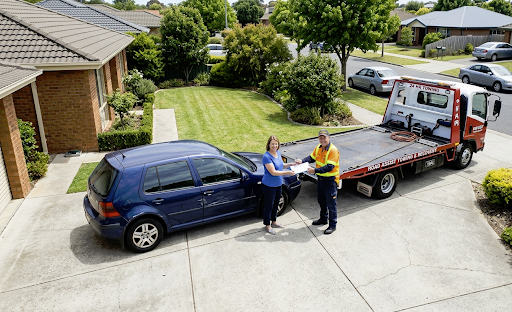
Evaluating Your Wrecked or Non-Running Vehicle Disposal Options
Determining the most profitable and efficient route for your non-running vehicle depends heavily on its current state and how much effort you want to invest. While repairing the car is sometimes worthwhile, professional salvage buyers are often the most practical option for heavily damaged or non-running vehicles.
If you choose to fix the car, you must perform a strict cost analysis comparing the mechanic bills against the final resale value. If the repairs cost more than 70% of the vehicle’s functional market value, the asset is financially totaled.
In that case, looking for local services that buy cars beyond the point of viable repair is advised. For owners in the Los Angeles area, obtaining Los Angeles salvage car offers can provide an immediate, hassle-free way to sell a wrecked or non-running vehicle without investing in costly repairs or paying out of pocket for towing services. While this example focuses on Los Angeles, similar services are available in many other regions for owners looking to dispose of non-running vehicles responsibly.
Alternatively, some owners choose to dismantle the vehicle themselves to maximize profit by selling individual components on the secondary market. This route requires extensive mechanical knowledge, specialized tools, and a significant time commitment to manage buyers. While high-value components like engines and catalytic converters sell quickly, you will eventually be left with a heavy, stripped shell that still requires professional removal.
The Environmental Impact of Responsible Salvaging
Choosing a professional salvage service does more than just clear up your driveway space; it keeps hazardous automotive waste out of local landfills. Even with recent improvements to sustainability, vehicles contain an assortment of toxic fluids, including engine oil, coolant, and brake fluid, that require specialized handling.
Professional dismantling facilities follow strict environmental regulations to safely drain and recycle these fluids before processing the metal shell. The metal is then crushed and sent to local foundries to be melted down into raw material for new production. Since 95% of cars get recycled eventually, it’s a widely accepted practice. The EPA recycling guide also explains why proper recycling and waste handling are important for reducing environmental impact.
When you prepare your vehicle for a local salvage yard, keep these essential steps in mind:
- Remove all personal belongings from the glovebox and trunk
- Locate the vehicle title to ensure a legal ownership transfer
- Remove the license plates to return them to your local transit office
Maximizing the Value of a Damaged Vehicle
To get the most money for your wrecked or non-running vehicle, you need to document its exact condition honestly and thoroughly. Take clear photos of any body damage and list exactly which major components are still intact. Specialized salvage buyers calculate their bids based on the total weight of the scrap metal combined with the estimated resale value of surviving parts.
Private retail buyers on standard marketplace apps generally avoid non-running cars because they are looking for immediate transportation. Trade dismantlers and salvage buyers look past the cosmetic damage because they only see the raw commodity value. Comparing multiple quotes and understanding how salvage value is calculated can help owners make more informed decisions before accepting an offer. Gathering all your service records can also help prove the condition of internal parts, which justifies a higher offer from professional buyers.
If your vehicle was damaged in a crash, understanding what to do immediately after a car accident can also help protect your records, insurance claim, and next steps before deciding whether to repair or sell.
To learn more about optimizing your vehicle’s value or managing mechanical breakdowns, check out our blog posts covering all things car-related. You may also want to review these reasons to donate your car to charity if selling your damaged vehicle is not the right option.