Taking care of your vehicle Maintenance is necessary to make sure it runs efficiently and safely down the road. Read on to find out how to care for your car.
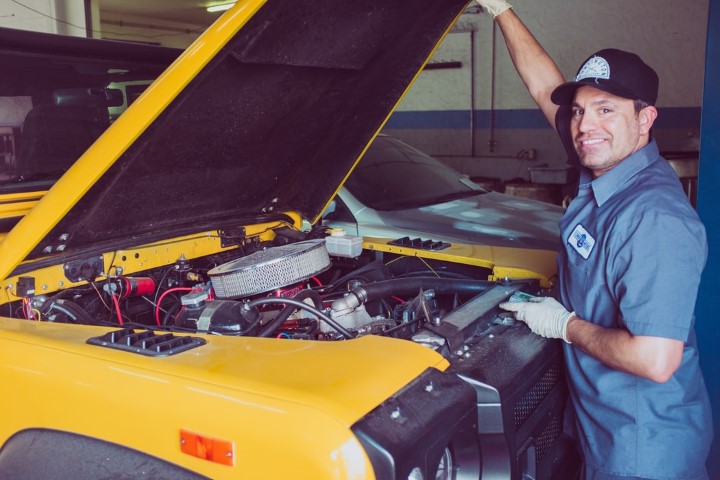 Vehicles, like other equipment, need maintenance. Making a schedule for your vehicle maintenance and following it is necessary to improve your vehicle’s performance.
Maintenance enables the vehicle to travel more effectively and comfortably on the road over a longer time than it would if you never performed any maintenance. You can learn about all the care you need to do and when you need to do from your owner’s manual to prepare yourself.
For most repairs, you need a mechanic. However, there is a lot of essential vehicle maintenance that you can do yourself. In this article, we have put together some vehicle maintenance work you can do independently. So, let’s get started!
1.Get Acquainted with Your Owner’s Manual
Every vehicle comes with an owner’s manual. It is a big book usually squirreled away in the glove box. If your copy is lost, you can search for an electronic version online or contact your dealer for a new copy.
More often than not, some minor adjustments can resolve an issue. These are the times when the user manual becomes pivotal. The best part of these manuals is that they are specific to a vehicle, making them even more helpful.
Carefully read the maintenance schedule section in the manual and note the intervals for maintenance items, such as tire rotation, hoses, belts, engine oil, oil filter, and so on. You need to follow these manufacturer recommendations so that your engine can run as smoothly as possible. Check out these free auto repair techniques to learn more.
2.Routinely Change Your Oil and Oil Filter
Engine oil is considered the engine’s lifeblood. It works as a lubricant and keeps essential components of the engine from grinding against each other and destroying the engine. If you do not change the engine oil regularly, accumulated contaminants in the oil will cause friction when they rub against the components and damage the engine. So to extend your engine life, make sure to maintain adequate levels and viscosity of your engine oil.
3.Replace the Air Filter Regularly
How often you need to replace the air filter depends on how much you drive your vehicle. You may have to change it once or twice a year. For being safe, it is best to check the air filter every time you change the oil.
4.Check All Other Fluids
It’s also a good idea to monitor the car’s brake fluid, engine fluid, windshield washer fluid, and coolant regularly. A good practice is to schedule these checks along with the oil and filter checks.
Inspect your transmission fluid with a dipstick. When checking for brake fluid, coolant, and windshield washer fluid, lift the related covers and inspect each fluid level. They should come up with a specific fill line.
However, never try to remove the radiator cap to examine coolant levels – as that can lead to serious injuries like scalding (or worse). Instead, you can examine the coolant level in the transparent refill container nearby.
5.Check Your Tires Monthly
Tires are the things that keep your car driving down the road. It is essential to check up your tires regularly, preferably monthly. You need to pay immediate attention to any abnormality in tire texture, size, shape, or surface pattern.
You need to maintain optimal tire pressure levels to ensure they do their job efficiently. It is also necessary to reduce the chance of a blowout. Learn how to add air to your tires. And for the correct tire pressure, take help from the owner’s manual.
6.Keep an Eye on Brake Issues
Brakes are a significant part of every vehicle. Always be conscious of how the brakes feel and how they sound while driving. If you find the brakes feeling spongy or taking more pressure to apply the brakes than usual, you should immediately get them checked by a professional. Similarly, brake sounds can indicate when you need repair or maintenance. Here are some common brake sounds to look for:
- Squealing: It means your brakes are worn out and grazing against the rotor, and you need to get new brake pads. This needs immediate attention.
- Rattling: A vibration or rattling sound means one of the motors is worn out or warped, and you need to replace it immediately.
- Grinding: If there is a grinding sound only the first time you drive in a day, it may not be a serious issue. When the car is not powered and the outside humidity is strong, rust will build mostly on brake rotors within a day. You get a grinding sound when the rust is getting knocked off after you start the vehicle. The easy solution for this is to park the vehicle in a garage when it’s raining, snowing, or humid out.
- Intermittent Sounds: An erratic brake sound may be a sign of brake fade due to excessive heat. When the rotors, brake pads, or brake fluid overheats, you may hear brake sounds come and go, and the brakes may feel unresponsive than usual. You will need a professional to find out the cause in this case and fix it.
7.Inspect Belts and Hoses
Hoses maintain coolant flow to make sure the engine is not overheated. If you find cracks or bulges in a hose, or if a hose is separated, it needs to be replaced.
On the other hand, the timing belt, which is common in cars and small SUVs, is important for the function of your engine. If you find cracks or bulges in a hose or a hose is separated, it needs to be replaced.
8.Keep An Eye On Your Battery
If you take care of your batteries properly, they can last a very long time. Make sure your battery is kept clean, especially free from corrosion. When you notice a build-up, immediately knock it off with a wire brush and a solution of baking soda and water. Usually, car batteries can last up to 5 years. After that, you need to replace them to avoid getting stranded or your vehicle not starting when it is frigid outside.
9.Replace Wiper Blades When Needed
In the event of a rainstorm, the windscreen wipers are what provide illumination. You never know what you would need. As a result, it is important to inspect the wiper blades frequently. If you think the windows stripe or the blades shriek while the car is driving, it’s really time to buy a new set of windshield wipers. It is a very significant vehicle maintenance measure that can affect driving safety; therefore, do not ignore this repair.
10.Cleanup Your Vehicle Every Month
It is a maintenance measure that vehicle owners find difficult to sustain once the new car vibes fade away. But it is vital to clean your car regularly. In addition, you can go for a monthly car wash to get a delightful journey in and with your car.
Now you know everything about your vehicle’s maintenance to make sure your vehicle runs smoothly and safely down for many miles and years to come. Good luck!