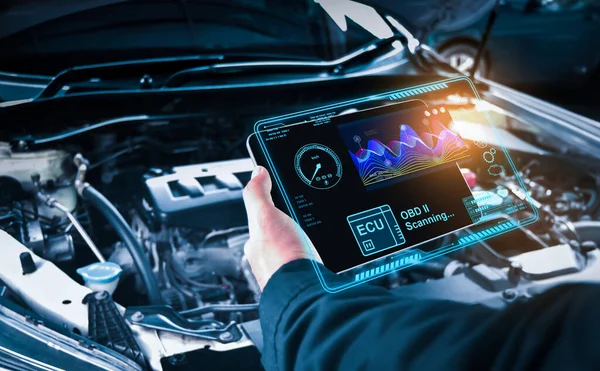
OBD2 Performance Tuning has become one of the most popular ways for drivers to unlock additional performance without making permanent modifications to their vehicles. The automotive aftermarket has evolved dramatically over the past decade. While traditional upgrades such as exhaust systems, intake kits, and ECU remapping remain popular, modern drivers are increasingly turning to OBD2-based performance tuning solutions as a convenient way to enhance their driving experience.
From pickup trucks and SUVs to turbocharged sedans and performance cars, OBD2 tuning technology has become one of the fastest-growing segments of the automotive performance industry.
As modern vehicles become more sophisticated, drivers are increasingly looking for technology-focused upgrades that improve both performance and convenience. Gauge Magazine has explored similar trends in modern vehicle software development and connected automotive technologies.
The Evolution of Vehicle Performance Upgrades
In the past, increasing vehicle performance often required extensive mechanical modifications or custom ECU programming. While these methods can be effective, they typically involve significant costs, specialized knowledge, and in some cases permanent changes to factory settings.
Today’s vehicles are equipped with highly sophisticated engine management systems capable of monitoring and controlling virtually every aspect of engine operation. These systems continuously adjust parameters such as fuel delivery, ignition timing, turbocharger behavior, and transmission operation.
Because manufacturers must design calibrations that work under a wide range of conditions, many vehicles have additional performance potential that can be optimized through modern tuning technology.
What Makes OBD2 Performance Tuning Different?
Unlike traditional ECU flashing, many modern OBD2 tuning devices communicate directly through the vehicle’s diagnostic port without permanently rewriting factory software.
This approach offers several advantages:
- Quick installation
- No permanent modifications
- Ability to switch between different performance settings
- Easy removal when desired
- Compatibility with a wide variety of vehicles
For many drivers, this flexibility makes OBD2 Performance Tuning an attractive option compared to more invasive performance modifications.
Performance Isn’t Just About Horsepower
While increased horsepower often attracts attention, the real-world benefits of modern tuning frequently extend beyond peak power figures.
Enhanced Torque Delivery
One of the most noticeable improvements is stronger torque delivery throughout the usable RPM range. Drivers often experience more confident acceleration during everyday situations such as merging onto highways, passing slower traffic, or towing heavy loads.
Improved Driving Enjoyment
A vehicle that responds more eagerly to driver inputs often feels more enjoyable and engaging to operate. This can make routine commuting and long-distance travel more satisfying.
Better Suitability for Trucks and SUVs
Many trucks and SUVs spend their lives carrying passengers, hauling equipment, or towing trailers. Optimized torque delivery can significantly improve how these vehicles perform under load.
Modern Tuning and Vehicle Diagnostics
Today’s performance devices frequently offer much more than performance enhancement alone.
Many systems provide:
- Live engine monitoring
- Diagnostic trouble code reading
- Fault code clearing
- Vehicle performance measurements
- Data tracking and analysis
These additional capabilities allow owners to gain a deeper understanding of their vehicles while helping identify potential issues before they become major problems.
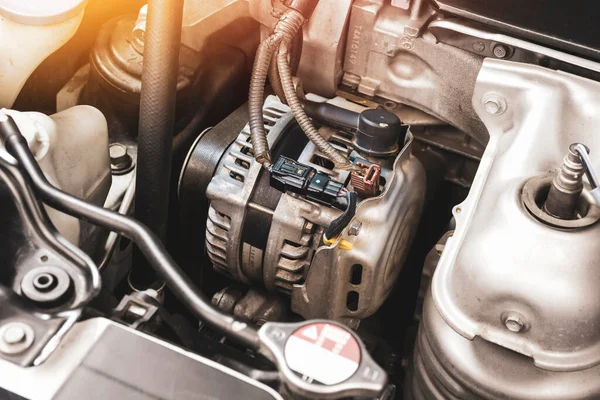
The U.S. Environmental Protection Agency explains how On-Board Diagnostics systems monitor vehicle performance and emissions, making OBD technology an important part of modern automotive engineering.
The Growing Demand for Reversible Performance Upgrades
One of the biggest trends in today’s automotive market is the demand for upgrades that do not require permanent modifications.
Many enthusiasts want the ability to improve performance while retaining flexibility and preserving factory configurations. This is particularly important for daily drivers, leased vehicles, and owners who value convenience.
As a result, reversible OBD2 Performance Tuning solutions have become increasingly popular among drivers looking for practical ways to enhance performance without making extensive mechanical changes.
Performance enthusiasts interested in maximizing vehicle efficiency may also find Gauge Magazine’s coverage of how car tuning improves performance and efficiency useful when evaluating modification options.
Looking Toward the Future
As vehicle technology continues to advance, the performance aftermarket will continue evolving alongside it. Modern drivers are looking for solutions that combine convenience, reliability, and measurable performance improvements.
Companies such as Monte Tuning have helped popularize OBD2-based performance optimization by offering tuning solutions designed for modern vehicles, trucks, and SUVs.
Advancements in software-driven vehicle technology continue to create new opportunities for enthusiasts. Similar trends are discussed in Gauge Magazine’s article on the digital transformation of the automotive industry.
For drivers seeking a more responsive and enjoyable driving experience, OBD2 Performance Tuning remains one of the most accessible and practical upgrades available today.
As tuning technology continues to evolve, OBD2 Performance Tuning will likely remain a preferred solution for drivers who want greater performance, improved diagnostics, and enhanced drivability without the complexity of traditional modifications.