Running the Show Circuit for a Season sounds simple when viewed through the lens of registration fees alone. Most builders think about the show season in terms of entry fees. Pay to register, drive out, compete, maybe bring home some hardware. Simple math.
The number that catches people by midseason is transportation. Between registration, fuel, hotel rooms, professional transport for the longer hauls, and detailing runs before each event, a serious show season carries a price tag that rarely gets calculated in advance. Builders who show heavily — ten to fifteen events between spring and fall — can spend anywhere from $5,000 to $11,000 depending on how far they travel and what the calendar looks like.
That range is wide enough to be useless without context. Here’s where the money actually goes.
For enthusiasts planning a busy calendar, understanding these costs early can make the difference between enjoying the season and constantly playing catch-up financially. Gauge Magazine has covered major events such as the HPX 2026 automotive performance event, where travel and logistics often become just as important as the build itself.
Registration and Entry Fees for Running the Show Circuit for a Season
The cost to show a vehicle has increased at most events over the past few years. At local and regional shows, vehicle registration runs $20 to $30, with events like the Main Street Car Show in Taylor, Texas charging $20 for advance registration and $25 at the gate. The structure is typical: pre-registration saves a few dollars, day-of costs more.
Larger events run higher. Goodguys events span a 26-event national schedule and charge spectator admission in the $25 to $30 range, with vehicle registration fees added on top. At major nationals, costs climb further. The NSRA Street Rod Nationals draws thousands of vehicles to Louisville each summer, and entry fees at that level reflect both the event’s scale and the amenities that come with it.
A builder running ten shows in a season — a mix of local, regional, and two nationals — should budget $400 to $600 in registration fees before calculating anything else.
Getting the Build There
For shows within a reasonable drive, most builders go under their own power. That’s the natural choice for a lot of vehicles, and often the right one. But the actual cost of driving a custom or modified build is higher than most people calculate.
AAA’s 2025 annual driving cost report puts average fuel costs at 13 cents per mile for a standard vehicle operating at normal fuel economy. A built V8 muscle car, a custom truck with a large-displacement engine, or a modified import tuned for performance isn’t returning those same numbers. Fuel costs run higher, and the highway miles accumulate on a vehicle that was built and maintained with show-season condition in mind.
Beyond fuel, a weekend show typically means one or two nights of hotel accommodations. In markets like Louisville, Pomona, or Phoenix where major events land, mid-tier hotel rooms run $130 to $200 per night during event weekends. Two nights adds $260 to $400 per event. A builder making five overnight trips in a season can spend $1,300 to $2,000 on lodging alone, not counting meals or incidentals.
Builders planning events such as Grand National Truck Show often discover that travel expenses quickly exceed registration costs.
Shipping the Vehicle
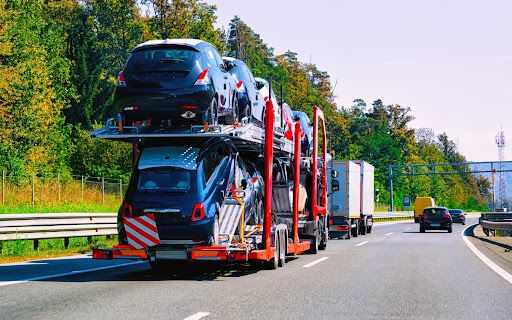 Image by roman_babakin on Magnific
Not every show vehicle should make the trip on its own wheels. For out-of-state nationals, long cross-country hauls, or builds that aren’t well-suited to extended highway mileage, professional auto transport is often the more practical option.
Per-mile rates on short hauls under 500 miles run $1.55 to $2.50 per mile, putting a 400-mile shipment somewhere between $620 and $1,000, based on 2026 shipping rate data from Sherpa Auto Transport. Longer hauls drop in per-mile cost but increase in total price: coast-to-coast routes like Los Angeles to New York City typically run $1,350 to $1,925 for open transport.
The vast majority of professional vehicle shipments use open trailers — over 90% of shipments move that way, on the same double-decker carriers used to move new vehicles from factory to dealership. For most custom builds, open transport is appropriate and keeps costs predictable. Enclosed transport, which protects vehicles from weather and road debris, costs about 50% more. It makes sense for show-quality paint that can’t absorb a chip before judging, or for builds where the investment in the vehicle makes the added protection easy to justify.
A few variables push costs higher. Modifications that extend a vehicle’s overall dimensions — wide-body kits, lifted suspensions, long-bed configurations — affect how carriers load and stage vehicles. Inoperable vehicles require winching rather than driving onto the trailer, which adds fees. Timing matters too: January and summer are peak season for auto transport, when carrier availability tightens and rates reflect the demand. Booking a flexible pickup window of five or more business days consistently produces the best pricing.
A builder shipping to two major shows per season should budget $2,500 to $4,000 for transport, depending on distance and whether open or enclosed is the right call for the vehicle.
Pre-Show Prep

Image by senivpetro on Magnific
A show-quality vehicle doesn’t stay show-quality on its own. The detailing work before each event — washing, clay bar, polishing, paint protection application, interior cleaning — takes several hours done properly, and costs $150 to $500 if handled professionally, depending on vehicle size and depth of service.
Paint correction is a separate expense when the paint needs it. A thorough two- or three-stage correction at a shop that does this work seriously runs $500 to $2,000. Most builders working a full circuit will need one or two correction sessions per season, depending on how the vehicle is stored and how many miles it accumulates between events.
SEMA’s 2025 Market Report found that U.S. consumers spent $52.65 billion modifying and accessorizing their vehicles in 2024. Builders running the show circuit are already in that number — buying parts, addressing what each show brings to light, and managing whatever the vehicle needs before the next event. A conservative prep and maintenance budget for an active show vehicle: $500 to $1,500 for the season.
Events like Slamology showcase some of the country’s finest custom builds, and maintaining that level of presentation often requires substantial preparation throughout the season.
What a Full Season Adds Up To
Mapping out a realistic ten-event calendar — local shows, regional events, and two nationals requiring professional transport — the costs look like this:
Registration fees: $400 to $600
Fuel and drive-in travel for closer events: $300 to $600
Hotel stays for five overnight events: $1,300 to $2,000
Professional transport for two major shows: $2,700 to $3,850
Pre-show detailing and prep: $500 to $1,500
Parts and between-show maintenance: $300 to $600
Total: roughly $5,600 to $9,150 for a season that doesn’t go sideways. A mechanical issue on the road, a weather event that requires paint correction before the next show, or a last-minute decision to chase an event that wasn’t on the original calendar can push the number past $11,000 without a particularly dramatic run of bad luck.
Builders who plan the full-season budget in January rather than making event-by-event decisions through summer are consistently in a better position by August. Transport bookings made early lock in better rates and better carrier availability, particularly for the nationals that fall during peak auto transport season. The circuit is worth running. The cost, planned for honestly at the start, is manageable. The cost, discovered in pieces every month from April to October, tends to sting more than it should.
Final Thoughts
Running the Show Circuit for a Season is about more than trophies and recognition. The real investment often comes from transportation, lodging, vehicle preparation, and maintenance between events. Builders who budget realistically, plan travel early, and understand where the money goes are better equipped to enjoy the season without financial surprises. Whether you’re chasing local awards or national recognition, understanding the true cost of the show circuit helps ensure the experience remains rewarding from the first event to the final show of the year.