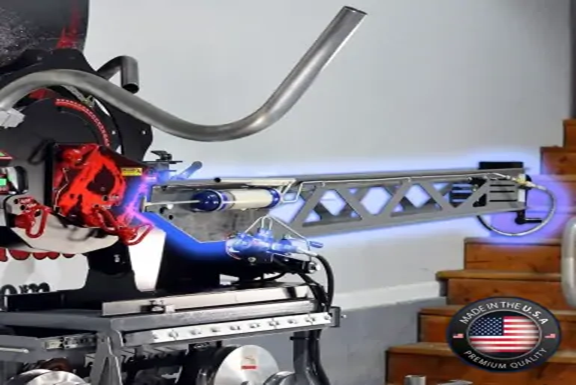
 Mandrel bending represents a pivotal technique in modern automotive manufacturing, offering a distinct advantage in creating precise, smooth, and strong tubing. This method is critical for applications where tube integrity and performance are paramount. This introduction will explore the essence of mandrel and its indispensable role in automotive projects.
What is Mandrel Bending?
Mandrel bending is a specialized process used to bend tubing and pipes with minimal distortion. A mandrel—a solid rod or linked ball configuration—is inserted into the tube during the bending process to support the pipe’s interior structure and prevent it from collapsing.
How Does Mandrel Differ from Standard Pipe Bending?
Unlike standard pipe bending, which often leads to some degree of deformation and weakening, mandrel maintains the original diameter throughout the bend, ensuring consistency and strength. This is crucial in automotive applications where even minor variations can affect performance.
Key Components of a Mandrel Machine
Mandrel bender machines include several key components:
- Mandrel: Supports the interior during bending to prevent collapse.
- Bend die: Shapes the tube into the desired angle.
- Clamp die: Holds the tube in place during the bending process.
- Pressure die: Applies pressure to assist the bend.
- Wiper die: Wipes against the tube to prevent wrinkles during bending.
Why Opt for Mandrel in Automotive Projects?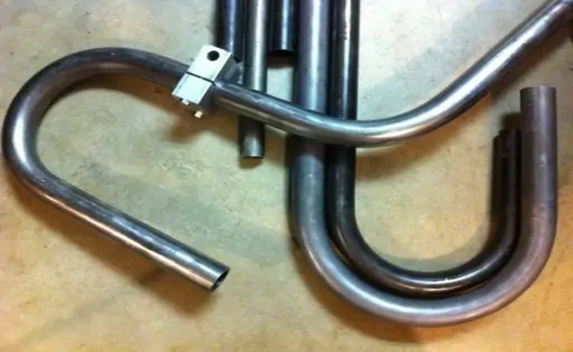
Mandrel is preferred in automotive projects for several reasons:
What Are the Advantages of Mandrel Bending for Automotive Tubing?
- Improved flow: Maintains an unobstructed cross-section, enhancing fluid or airflow.
- Uniformity: Ensures consistent tube diameter, crucial for system integrity.
- Strength: Retains the material’s strength, crucial for safety and durability.
Case Studies: Success Stories in the Automotive Industry
In numerous instances, automotive manufacturers have leveraged mandrel to achieve remarkable improvements in performance and reliability. Examples include enhanced exhaust systems in performance cars and more robust frames in safety-critical applications.
How Does Mandrel Bending Enhance Performance in Automotive Applications?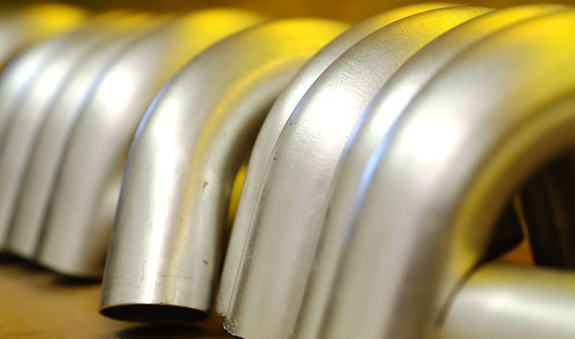
Impact on Exhaust Systems
Mandrel bends increase the efficiency of exhaust systems by ensuring smoother transitions and reducing back pressure. This enhancement directly translates to better engine performance and efficiency.
Benefits for Structural Components
For structural components like chassis and roll cages, mandrel helps maintain the integrity of the steel tubing, offering enhanced safety and durability under stress.
What Materials Are Suitable for Mandrel Bending?
Materials ideal for mandrel include:
- Aluminum: Lightweight yet strong, perfect for performance applications.
- Stainless Steel: Resistant to corrosion, ideal for exposed components.
- Titanium: Offers exceptional strength-to-weight ratio, though more expensive.
- Other Alloys: Various alloys cater to specific needs, balancing cost, strength, and weight.
What Are the Technical Specifications of Mandrel?
Understanding Wall Thickness and Bend Radius
The selection of wall thickness and bend radius is critical for achieving optimal results. Guidelines vary by material and application but generally aim for the best compromise between flexibility and strength.
The Role of Lubrication in Mandrel Bending
Lubrication reduces friction and heat, preventing material wear and tear and ensuring smoother bends. The choice of lubricant varies based on the material and the complexity of the bend.
Step-by-Step Guide: How to Perform Mandrel Bending
- Preparing the Tube and Machine: Clean the tube and properly set up the machine.
- The Bending Process: Insert the mandrel, set the bend parameters, and execute the bend.
- Post-Bending Treatments: Check for accuracy, and perform any necessary finishing such as cutting or welding.
What Are Common Issues and Solutions in Mandrel Bending?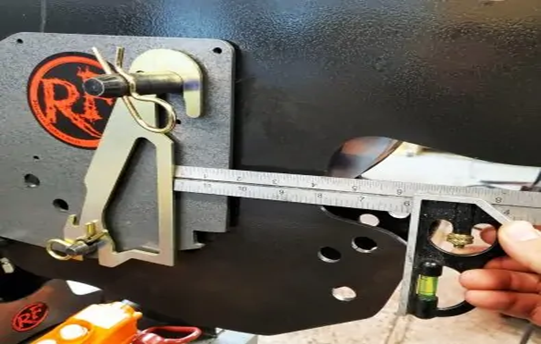
Common challenges include:
- Wrinkling: Often due to inadequate support during bending. Solution: Adjust mandrel and wiper die settings.
- Wall Thinning: Occurs when the outer wall stretches too thin. Solution: Optimize bend radius and material selection.
How to Choose the Right Mandrel Machine?
Factors to Consider When Selecting a Machine
Key considerations include:
- Capacity: The range of tube diameters and wall thicknesses the machine can handle.
- Control type: Manual or CNC, depending on precision needs.
- Features: Additional capabilities such as programmable settings and multi-stack bending.
Future Trends in Mandrel Bending Technology
Advancements in automation and material science continually enhance the capabilities of mandrel, promising even more precise and efficient processes in future automotive manufacturing.
Conclusion
Mandrel bending is indispensable in automotive projects due to its ability to produce high-quality, reliable, and performance-enhancing components. As technology progresses, staying informed about new bending techniques and machinery will be crucial for any automotive engineer or designer looking to push the boundaries of what is possible in automotive manufacturing.