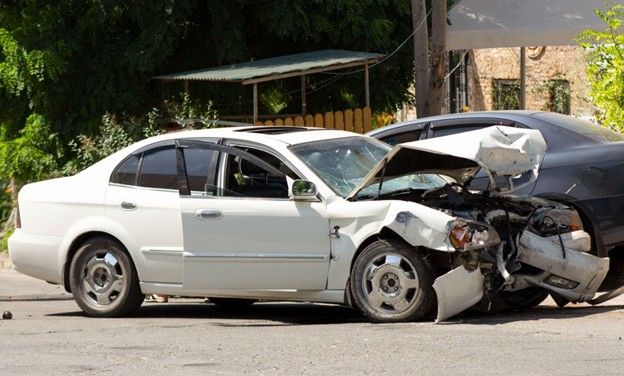
 Florida operates under a no-fault auto insurance system, which means that after a car accident, your own insurance policy pays for your initial medical expenses regardless of who caused the collision. This structure is designed to reduce the volume of lawsuits filed over minor injuries and speed up access to medical coverage. Understanding how this system works in practice is essential for anyone involved in a crash in Gainesville or anywhere else in the state.
How Florida’s No-Fault System Works
Florida law requires all registered vehicle owners to carry Personal Injury Protection coverage, commonly called PIP, with a minimum of $10,000. If you are injured in a crash, you may contact a car accident lawyer in Gainesville to understand how your PIP benefits apply to your specific situation before filing any claims. PIP covers 80% of reasonable medical expenses and 60% of lost wages, up to that policy limit.
One condition that many drivers overlook is the treatment deadline. Florida Statute § 627.736 requires that you seek medical treatment within 14 days of the accident to qualify for PIP benefits. Missing that window can disqualify you from receiving any coverage under your own policy, even if your injuries are real and documented.
The Serious Injury Threshold
Florida’s no-fault law does not eliminate your right to sue another driver entirely. However, it does restrict that right to cases where the injured person meets a “serious injury” threshold as defined under § 627.737.
Qualifying injuries include significant and permanent loss of an important bodily function, permanent injury within reasonable medical probability, significant and permanent scarring or disfigurement, and death. Soft tissue injuries that resolve without lasting effects generally do not meet this standard, which is why many minor-accident claims stay within the PIP system.
Required Insurance Coverages in Florida
Florida requires two types of coverage as a condition of vehicle registration: $10,000 in PIP and $10,000 in Property Damage Liability (PDL). Unlike most other states, Florida does not require drivers to carry bodily injury liability insurance, though insurers must offer it.
This absence of a mandatory bodily injury requirement has practical consequences. If you are seriously injured by an at-fault driver who carries only the minimum required coverage, there may be limited funds available from that driver’s policy to compensate you for losses that exceed your PIP limits.
What PIP Actually Covers
PIP benefits apply to the named policyholder, relatives living in the same household, and passengers who do not have their own PIP coverage. The benefits extend to injuries sustained while riding in a vehicle, as a pedestrian, or as a bicyclist struck by a motor vehicle.
PIP does not cover pain and suffering, and it does not pay 100% of your medical bills. After the 80% medical and 60% wage reimbursement, the remaining costs become your responsibility unless you have additional coverage or a valid claim against another party’s insurance.
When a Tort Claim Becomes Available
If your injuries meet the serious injury threshold, you may step outside the no-fault system and file a liability claim or lawsuit against the at-fault driver. This opens the door to recovering damages for pain and suffering, full lost wages, and other non-economic losses that PIP does not address.
Florida’s statute of limitations for personal injury claims arising from car accidents was reduced from four years to two years under a 2023 legislative change. That means you generally have two years from the date of the accident to file a lawsuit, and missing that deadline will almost certainly bar your claim entirely.
Uninsured and Underinsured Motorist Coverage
Florida has one of the highest rates of uninsured drivers in the country. Without uninsured motorist (UM) coverage on your own policy, you may have little recourse if the at-fault driver carries no insurance at all.
Insurers in Florida are required to offer UM coverage, but policyholders can reject it in writing. If you are uncertain whether your policy includes UM coverage, review your declarations page or contact your insurer directly for confirmation.
What Gainesville Drivers Should Know About Local Considerations
Gainesville is home to a large student population and significant traffic around the University of Florida campus, which contributes to a steady number of accident claims in Alachua County. Local traffic patterns, road conditions on State Road 26 and Archer Road, and high pedestrian and cyclist activity near the university all factor into accident circumstances that can affect how claims are assessed. Understanding the immediate steps to take after a car accident can help protect your health, preserve evidence, and support your claim from the start.
Alachua County cases are handled in the Eighth Judicial Circuit, and any litigation arising from a Gainesville accident would be filed there. Being familiar with the local court system matters if your case progresses past the insurance claims stage.
Florida’s No-Fault Rules and Your Recovery Options
Florida’s no-fault framework sets firm rules about when and how injured drivers can recover compensation. PIP covers immediate medical costs and partial lost wages within defined limits, while the serious injury threshold determines whether a broader legal claim is available to you. Knowing these distinctions before you interact with insurance adjusters or sign any documents gives you a clearer picture of what you are entitled to and what you may be giving up. The rules are specific, the deadlines are short, and the coverage gaps are real.