Electric vehicles (EVs) and other clean energy manufacturing has been skyrocketing over the last few years. According to the Global EV Outlook, “…electric car sales in 2023 were 3.5 million higher than in 2022, a 35% year-on-year increase. This is more than six times higher than in 2018, just 5 years earlier.”
Although EVs still have a long way to go in terms of range, price, usability, and infrastructure, the future of EVs is safe. In some ways, it is superior to ICE-powered cars, and lagging behind them in other ways. EVs are polarizing and, at times, controversial machines. They represent a significant shift in automotive technology, offering a cleaner, more efficient alternative to traditional internal combustion engines. Let’s take a closer look at EVs, their history, and their tires to present you with this unique type of car.
What Is an EV?
Electric vehicles (EVs) are automobiles powered entirely or partially by electricity rather than traditional internal combustion engines that run on gasoline or diesel. EVs use electric motors and draw energy from rechargeable batteries or other energy storage devices. Currently, there are several distinctive types of EVs: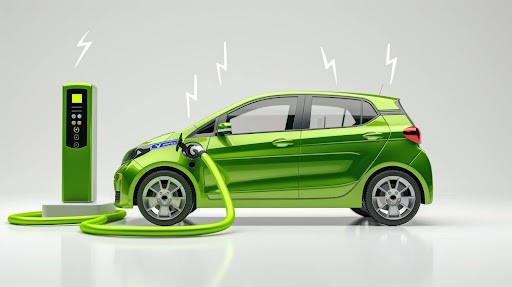
Types of Electric Vehicles
- Battery Electric Vehicles (BEVs)
BEVs are fully electric and operate solely on electricity stored in large battery packs. They have no internal combustion engine. Examples include the Tesla Model 3 and Nissan Leaf.
- Plug-in Hybrid Electric Vehicles (PHEVs)
PHEVs combine an electric motor with an internal combustion engine. They can run on electric power alone for a specific range and switch to gasoline once the battery is depleted. Examples include the Chevrolet Volt and Toyota Prius Prime.
- Hybrid Electric Vehicles (HEVs)
HEVs also use an electric motor and an internal combustion engine. Still, they cannot be plugged in to recharge. The battery and the engine itself are charged through regenerative braking. The Toyota Prius is a well-known example.
- Fuel Cell Electric Vehicles (FCEVs)
FCEVs generate electricity through a chemical reaction between hydrogen and oxygen in a fuel cell, with water vapor as the only byproduct. Examples include the Toyota Mirai and Hyundai Nexo.
History Of Electric Vehicles
Most buyers think that EVs are a modern contraption, but the truth is that they are almost as old as the automobile itself. The history of EVs dates back to the 19th century. In the early 1800s, innovators like Ányos Jedlik and Thomas Davenport built the first small-scale electric vehicles. The first successful electric car in the United States was built by William Morrison in 1891. This vehicle could travel 14 miles per hour and was a novelty back then.
By the early 1900s, electric cars were quite popular, especially among urban residents, due to their ease of use and lack of noise compared to gasoline vehicles. The advent of the internal combustion engine and the discovery of vast oil reserves led to the decline of electric vehicles. Gasoline cars offered an excellent range and power and suppressed any remaining EVs. 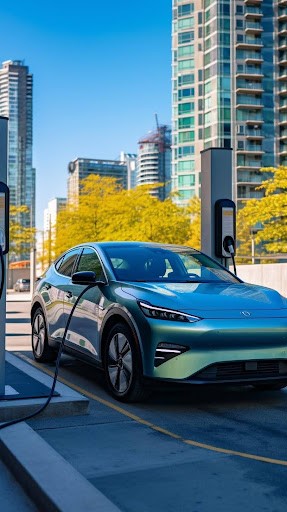
The resurgence of interest in EVs began in the late 20th century, driven by concerns over air pollution, oil prices, and the environmental impact of fossil fuels.
The modern era of electric vehicles can be traced to the early 2000s. Tesla Motors, founded in 2003, played a pivotal role in revolutionizing the EV market. With its impressive range and performance, the introduction of the Tesla Roadster in 2008 challenged the perception that electric vehicles were slow and impractical. Tesla’s subsequent models, including the Model S, Model 3, Model X, and Model Y, further solidified the company’s position as a leader in the EV market.
Other significant automakers soon followed suit. Nissan introduced the Leaf in 2010, which became one of the best-selling electric cars globally.
Best-Selling EVs in the USA in 2023
All of that leads us to this point: a significant number of EV models are sold in the USA and the rest of the world. In 2023, the electric vehicle market in the USA saw substantial growth, with several models standing out in terms of sales and popularity. Here are some of the best-selling EVs in the USA for that year:
The Tesla Model Y continued to dominate the EV market in the USA in 2023. Known for its impressive range, cutting-edge technology, and spacious interior, the Model Y appeals to a broad audience, including families and tech enthusiasts.
The Ford Mustang Mach-E emerged as a strong competitor, blending the iconic Mustang brand with electric performance. Its sleek design, robust features, and strong marketing appeal helped it secure a top spot in the sales charts.
Despite being one of Tesla’s older models, the Model 3 continued to see strong sales due to its combination of performance, range, and affordability. It remains a popular choice for those looking to enter the EV market.
The Rivian R1T, an electric pickup truck, gained traction in 2023. Its rugged design, off-road capabilities, and innovative features appealed to outdoor enthusiasts and those looking for a versatile vehicle.
The Hyundai Ioniq 5, with its futuristic design and advanced technology, captured the attention of many consumers. Its spacious interior and impressive charging capabilities made it a standout in the compact SUV segment.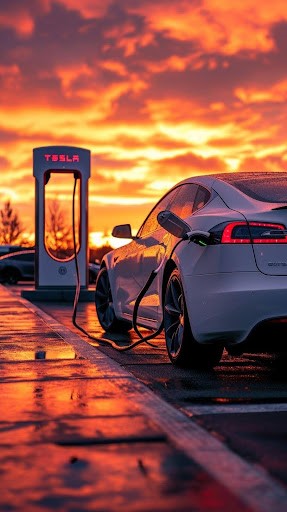
EV Tires: Meeting the Unique Demands
Electric vehicles’ distinct characteristics require specialized tires to optimize performance, safety, and efficiency. Here’s a look at what makes EV tires different and why they are essential:
- Weight Handling
EVs typically weigh more than their ICE counterparts due to the large battery packs. This increased weight necessitates tires that can handle the additional load without compromising performance or safety.
- Torque Management
Electric motors deliver instant torque, which can be more demanding on tires. EV tires are designed to handle this immediate torque, providing better traction and reducing wear.
- Rolling Resistance
Lower rolling resistance is crucial for EVs to maximize range. Specialized tire compounds and tread patterns help reduce energy loss, improving efficiency and extending the vehicle’s driving range.
- Noise Reduction
EVs are quieter than ICE vehicles, which makes road noise more noticeable. EV-specific tires often incorporate noise-reducing technologies to ensure a more peaceful ride, enhancing the overall driving experience.
- Durability and Longevity
Given EVs’ higher weight and unique driving characteristics, tires need to be durable. Manufacturers use advanced materials and design techniques to ensure that EV tires have a longer lifespan and can withstand the rigors of electric driving.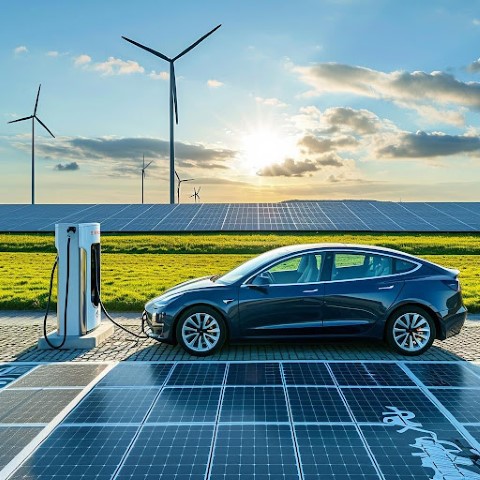
Conclusion
The evolution of electric vehicles from their early beginnings to their current state highlights significant technological advancements and growing consumer acceptance.
In 2023, EVs have become a mainstream choice in the USA, with several models standing out for their performance, range, and features. Developing specialized EV tires also ensures these vehicles can perform optimally while maintaining safety and efficiency. As the automotive industry continues to innovate, the future of electric cars looks promising, paving the way for a more sustainable and efficient mode of transportation.