Smart Car Data Privacy is becoming more important as connected vehicles collect more information from drivers, phones, apps, cameras, GPS systems, and built-in software. Your car has been listening. Not in a sinister, science fiction kind of way, but in a very literal one. The average new vehicle sold in 2026 ships with microphones, cameras, GPS modules, and a permanent internet connection, and together they generate a constant stream of information about you. Where you drive, how hard you brake, what you say to the voice assistant, who you call from the driver’s seat, and even how much you weigh in that seat. Most owners have never read the privacy policy that governs all of it.
That gap between what cars collect and what drivers understand is exactly why this topic matters right now.
In this article you will learn what data your smart car actually gathers, where it ends up, what can go wrong when it falls into the wrong hands, and the practical steps you can take this week to protect yourself without giving up the convenience that made you buy a connected car in the first place.
As modern vehicles become more connected, Smart Car Data Privacy is now part of everyday vehicle ownership. Gauge Magazine has also covered the growing link between in-car technology and consumer trust, which shows how much drivers now rely on digital systems inside their vehicles.
Smart Car Data Privacy Starts With Understanding Your Connected Vehicle
Smart Car Data Privacy starts with knowing that today’s vehicles are not just transportation tools. They are connected devices that can collect, store, share, and transmit personal information every time you drive.
Your Car Is a Computer That Happens to Have Wheels
The phrase “smart car” sounds like marketing, but the technical reality behind it is striking. A modern connected vehicle runs on dozens of electronic control units, an infotainment system that behaves like a tablet, and a built-in modem that talks to the manufacturer’s servers around the clock. Telematics systems sample your driving behavior, in some vehicles as often as every few seconds, recording speed, acceleration, braking force, and steering inputs.
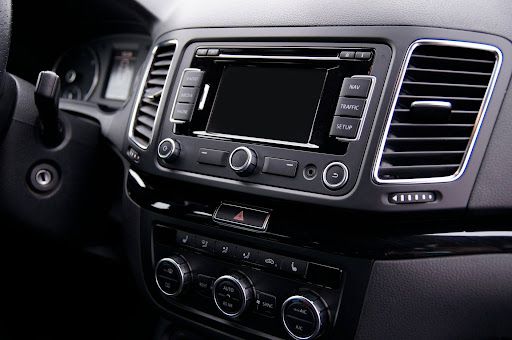
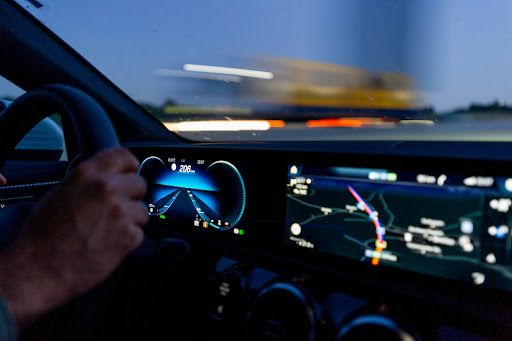
Then there is everything you bring into the cabin yourself. Pair your phone over Bluetooth, and the car may copy your contact list, call logs, and text message metadata into its own storage. Use the navigation system, and you hand over a precise map of your daily life: your home, your office, your doctor’s clinic, your child’s school. Voice assistants record audio clips. Cabin cameras designed for driver attention monitoring capture your face. Some seats register occupant weight for airbag calibration, and that number gets logged too.
Researchers at the Mozilla Foundation famously reviewed the privacy practices of major car brands and concluded that cars were the worst product category they had ever examined for personal data protection. Several years and a wave of regulatory pressure later, the volume of collection has not meaningfully shrunk. The pipes have only gotten wider.
This is also why software matters so much in modern vehicles. Gauge Magazine explains more about this shift in Smart Cars, Smarter Code.
Where All That Data Actually Goes
Collection is only the first step. The more uncomfortable question is what happens after your data leaves the vehicle.
Manufacturers use a portion of it for legitimate purposes such as diagnostics, over-the-air software updates, crash response, and stolen vehicle recovery. But privacy policies in this industry are written broadly, and broad language creates room for secondary uses. Driving behavior data has been packaged and sold to data brokers, who in turn supplied it to insurance companies. Drivers in the United States discovered this the hard way when their premiums jumped based on telematics reports they never knew existed.
Regulators have started to push back. The US Federal Trade Commission reached a settlement with General Motors and OnStar in January 2025 over the collection and sharing of location and driving data without proper consent. In March 2026, the California Privacy Protection Agency fined Ford for making its data opt-out process needlessly difficult to use. States including Maryland and Oregon have moved to restrict the sale of precise geolocation data, with more legislatures considering similar bills this year.
The Federal Trade Commission has taken action involving connected vehicle data, including allegations that precise geolocation and driving behavior data were collected and shared without proper consent.
These actions are encouraging, but enforcement moves slowly and unevenly across borders. A fine issued in California does nothing for a driver in Bangkok, Berlin, or Brisbane. For the foreseeable future, the responsibility for protecting your in-car data still rests largely with you.
What Can Go Wrong When That Data Leaks
It is tempting to shrug and say you have nothing to hide. The problem is that vehicle data is unusually revealing, and the consequences of exposure are concrete rather than abstract.
Location history is the clearest example. A log of everywhere your car has parked can expose your religion, your medical conditions, your relationships, and your routines. Domestic abuse advocates have documented cases where shared vehicle accounts allowed abusers to track former partners in real time through the manufacturer’s companion app. Divorce lawyers have subpoenaed connected car records. In several US cases, manufacturers handed location data to authorities on the basis of informal requests rather than court orders.
Criminal misuse is just as real. Synced contact lists and calendar entries left in a rental or traded-in car have enabled identity fraud. Security researchers have repeatedly demonstrated remote attacks on connected vehicle platforms, including flaws that allowed them to locate, unlock, and start cars belonging to strangers. A breach at the manufacturer level can expose millions of customers at once, as Tesla’s 2023 insider leak of more than 100 gigabytes of customer and employee data showed.
The pattern across all these cases is the same. Data that felt harmless when it was collected became harmful the moment it reached an unintended audience. Once it leaks, you cannot pull it back.
Practical Steps to Lock Down Your Smart Car Data
The good news is that you do not need to drive a 1995 hatchback to stay private. A handful of deliberate habits will close most of the gaps.
Start with the settings you already control. Open your car’s privacy menu and the companion app, and turn off data sharing programs you never agreed to in spirit, especially anything labeled “driver score,” “usage-based insurance,” or “product improvement.” Several brands bury these toggles, so budget twenty minutes and be stubborn. While you are there, review which third-party services have access to your account and revoke the ones you do not recognize.
Next, think about the connections your car makes. Many vehicles now operate as rolling Wi-Fi hotspots, and many drivers connect their phones and laptops to that network or to public chargers and dealership Wi-Fi while they wait. Treat these networks the same way you would treat airport Wi-Fi.
Using a reputable VPN on the devices you connect in and around your car encrypts that traffic, which keeps your browsing, messages, and logins shielded from anyone snooping on the same network. It will not stop the manufacturer’s own telemetry, but it closes off a separate and frequently overlooked attack surface, particularly if you work from your car or charge at public stations often.
Smart Car Data Privacy also depends on regular software updates, careful account management, and understanding which connected services are active. These habits are part of the broader digital transformation of the automotive industry, which Gauge Magazine covers in The Digital Transformation of the Automotive Industry.
Finally, build a few routines around ownership events, because that is when most accidental exposure happens:
- Before selling, trading in, or returning a leased or rented car, run a full factory reset of the infotainment system and delete your profile from the manufacturer’s app so the next driver inherits nothing.
- When you buy a used connected car, ask the dealer to confirm the previous owner’s account has been unlinked, then create your own account and change all access credentials immediately.
- Keep the car’s software updated, since over-the-air patches regularly fix the exact security flaws researchers use to break into vehicle platforms.
None of this requires technical skill. It requires the same attention you already give your laptop and phone, extended to the largest connected device you own.
Convenience and Privacy Are Not Enemies
There is a common assumption that protecting your data means switching everything off and losing the features you paid for. In practice, the trade-off is far smaller than manufacturers imply. Emergency crash notification can stay on while behavioral data sales stay off. Navigation works fine without your location history being retained indefinitely. Voice control functions without recordings being stored for “service improvement.”
The goal is not to disconnect your car. The goal is informed consent: knowing what is collected, deciding what you are comfortable with, and shutting down the rest. Regulators in the US, Europe, and Australia are all moving in that direction in 2026, demanding clearer notices and genuine opt-outs from automakers. Your individual settings choices reinforce that pressure, because companies track how many customers opt out and adjust their practices when the numbers grow.
Take Back the Driver’s Seat
Your car will keep getting smarter. The sensors will multiply, the software will deepen, and the data will keep flowing whether you think about it or not. The only real question is whether you stay a passive source of that data or become an active manager of it.
So here is your call to action, and it fits into a single afternoon. Today, open your vehicle’s privacy settings and switch off every sharing program you did not knowingly choose. This week, install a trusted VPN on the devices you use in and around your car, and check that your infotainment software is current. This month, read the data section of your manufacturer’s privacy policy, then submit a data access or deletion request if your region’s law allows it.
A smart car should work for you, not report on you. Take thirty minutes, change the settings, and make sure yours does.
Smart Car Data Privacy is no longer something drivers can ignore. As connected vehicle technology grows, protecting your personal information should become as normal as locking the doors, updating your phone, and checking your mirrors before you drive.