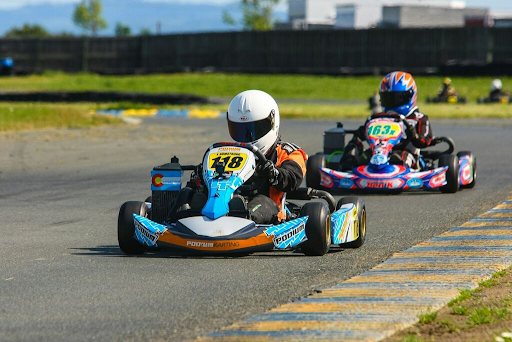
Miami’s motorsports culture runs deeper than its reputation for beaches and nightlife might suggest. The city has become a significant hub for karting and amateur racing, supported by a network of specialty retailers that cater to everyone from weekend hobbyists to competitive drivers. These shops serve as more than just points of sale—they’re gathering places where racers exchange setup advice, discuss track conditions, and build the community that sustains South Florida’s racing ecosystem.
The region’s racing infrastructure centers around facilities like the Homestead-Miami Speedway, which has anchored professional and amateur motorsports in South Florida for decades. This concentration of tracks and events has created sustained demand for quality safety equipment and performance gear, making Miami one of the few cities outside traditional racing markets where specialized stores can thrive year-round.
What Sets Miami’s Racing Retailers Apart
The best racing equipment stores distinguish themselves through inventory depth and technical knowledge. Walk into a serious shop and you’ll find:
- FIA and Snell-certified helmets across multiple price points and head shapes.
- Multi-layer racing suits with proper SFI ratings for different competition levels.
- Driving shoes engineered for pedal feel and fire resistance.
- HANS devices, rib protectors, and other safety equipment that meets current sanctioning body requirements.
Beyond product selection, these retailers function as information hubs. Staff members often race themselves and can explain the practical differences between equipment specifications—knowledge that matters when you’re trying to understand whether a particular glove construction will work with your steering wheel or if a helmet’s ventilation system suits Florida’s heat.
The Growth of Karting in South Florida
Karting has experienced notable expansion in Miami over the past decade, driven partly by accessibility and partly by the sport’s role as a training ground for higher levels of racing. The Homestead-Miami Speedway has been instrumental in this development, hosting regional and national karting events that draw competitors from across the Southeast.
The sport’s appeal crosses age groups. Rental kart facilities introduce casual participants to racing fundamentals, while competitive karting programs develop serious driving skills in younger racers. According to research on motorsports participation, karting provides measurable benefits in reaction time, spatial awareness, and risk assessment—skills that transfer well beyond the track.
Miami’s year-round racing season gives local karters a competitive advantage in seat time compared to drivers in regions with weather-limited calendars. This has helped South Florida produce drivers who’ve progressed to professional racing series, further elevating the region’s profile in motorsports circles.
Essential Equipment for Track Days and Competition
Safety equipment requirements vary by venue and sanctioning body, but certain items form the foundation of any racer’s kit:
- Helmets: Full-face designs with current Snell SA or FIA certification, properly fitted to individual head shape.
- Racing Suits: Fire-resistant construction meeting SFI 3.2A/5 or FIA 8856-2018 standards, with sizing that allows full range of motion.
- Gloves and Boots: Thin enough for steering and pedal sensitivity while providing thermal protection and grip.
- Head and Neck Restraints: HANS devices or similar systems that reduce basilar skull fracture risk in impacts.
Quality matters significantly in safety equipment. A properly constructed helmet can mean the difference between walking away from an incident and serious injury. Resources like Asetek’s equipment guides provide detailed breakdowns of how different gear components function, though in-person fitting remains essential for items like helmets and suits.
Miami’s racing retailers typically stock multiple brands at different price points, allowing drivers to balance budget constraints against safety requirements. Experienced staff can identify which compromises are acceptable and which aren’t—knowledge that proves valuable for newcomers navigating their first equipment purchases.
Karting as a Development Path for Young Drivers
Racing kart retailers play an underappreciated role in youth motorsports development. These shops provide the entry point for families exploring whether their child has genuine interest in racing beyond video games and amusement park go-karts.
The developmental benefits of competitive karting extend beyond driving skills:
- Technical Understanding: Young racers learn mechanical basics through kart maintenance and setup adjustments.
- Data Analysis: Reviewing lap times and telemetry develops analytical thinking and performance optimization skills.
- Pressure Management: Wheel-to-wheel competition teaches decision-making under stress and consequence management.
- Sportsmanship: Close racing environments require respect for competitors and officials.
Miami’s karting retailers support these outcomes by ensuring families have access to properly sized safety equipment and age-appropriate karts, rather than making do with ill-fitting gear that compromises both safety and skill development.
Miami’s Advantages for Racing Enthusiasts
Several factors make South Florida particularly well-suited for motorsports participation:
- Climate: Year-round racing eliminates the seasonal interruptions that plague northern tracks.
- Track Variety: Multiple facilities offer different layouts and surface characteristics for skill development.
- Community Density: A large enough racer population to support competitive grids across multiple classes.
- Retail Infrastructure: Specialty shops that stock current safety equipment and performance parts.
The concentration of racing activity has created a self-reinforcing ecosystem. Tracks attract racers, which supports retailers, which makes the sport more accessible, which brings more participants to tracks. This cycle has positioned Miami as one of the more active amateur racing markets in the Southeast.
For those serious about motorsports, the ability to walk into a shop and examine helmet fit or compare suit materials in person remains valuable despite online retail’s convenience. Miami’s racing stores provide that hands-on access along with the institutional knowledge that comes from staff who participate in the local racing scene themselves.
Getting Started in Miami’s Racing Community
New racers benefit from approaching the sport methodically rather than rushing into equipment purchases. Most Miami tracks offer rental programs that let you experience racing before investing in personal gear. These programs typically provide helmets and basic safety equipment, allowing you to determine whether you’ll pursue the sport seriously.
Once you’ve decided to continue, prioritize safety equipment over performance modifications. A quality helmet, properly fitted suit, and appropriate restraint system form the foundation. Performance upgrades can wait until you’ve developed enough skill to benefit from them—a reality that experienced racers understand but newcomers often overlook.
Local racing stores can guide equipment selection based on your specific needs and budget. Whether you’re equipping a young kart racer or preparing a sports car for track-day events, retailers such as Autocraze offer a range of safety gear, racing equipment, and performance components used by motorsport enthusiasts. Comparable companies like Summit Racing Equipment and ECS Tuning also provide extensive selections of racing products, technical accessories, and vehicle upgrade solutions tailored to drivers across multiple motorsport disciplines.
Participating in track events and club races provides the fastest skill development. Miami’s racing calendar runs year-round, offering regular opportunities to gain seat time and learn from more experienced drivers. The community tends to be welcoming to newcomers who show genuine interest and respect for safety protocols—qualities that matter more than natural talent in the early stages of racing.