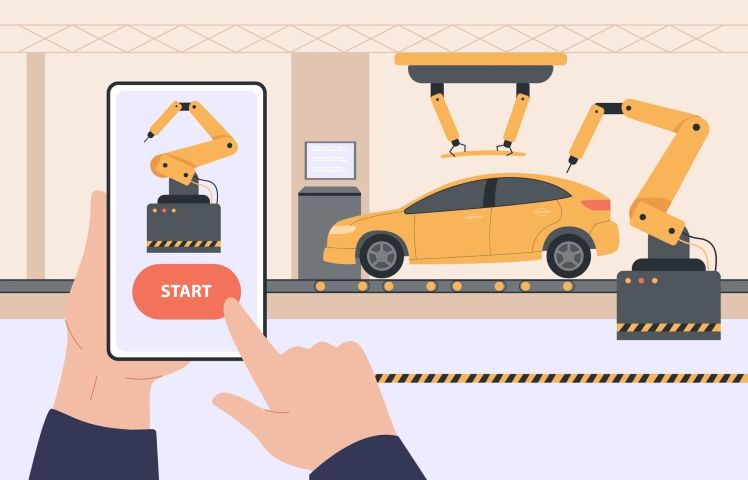
Chatbots in Cars are rapidly changing how drivers interact with their vehicles, dealerships, and automotive technology. The automotive landscape is undergoing a massive transformation, and it is happening right inside the cabin. For decades, drivers interacted with their vehicles through physical buttons, knobs, and basic digital menus. Today, the driving experience is centered entirely on seamless digital connectivity. Modern consumers do not just want a vehicle that gets them from point A to point B; they expect an intelligent machine that communicates with them effortlessly. As automotive technology matures, the integration of advanced conversational interfaces is completely changing how brands interact with drivers.
Implementing smart chatbots in cars has quickly moved from a futuristic concept to an absolute necessity for automotive manufacturers and local dealerships alike. Whether a consumer is browsing a dealership website from their couch or driving down a highway at sixty miles an hour, instant communication is key. By relying on an advanced virtual assistant, the automotive world is building a faster, safer, and much more responsive ecosystem that keeps drivers informed and engaged at every turn.
As vehicles become increasingly connected, Gauge Magazine has explored related topics including software development in modern vehicles and the growing role technology plays in the ownership experience.
Why Chatbots in Cars Are Becoming Essential
Chatbots in Cars are helping manufacturers and dealerships deliver faster communication, better customer service, and safer driver interactions. The ability to communicate naturally with a vehicle or dealership system is becoming an expectation rather than a luxury.
Chatbot Communication That Handles Service Questions Naturally
The frontline of dealership operations is often flooded with a massive volume of highly repetitive inquiries. When car owners experience a problem, they want to know immediately how much a replacement battery costs, whether a specific garage has open service bays, or if an engine light requires an immediate tow. Managing this traffic manually places an immense strain on human receptionists. Using structured chatbot communication allows businesses to automate routine touchpoints effortlessly, providing instant answers without forcing callers into long hold queues.
- Instant Appointment Scheduling: The automated system reads live workshop schedules and immediately books service slots without human data entry.
- Transparent Cost Estimates: Drivers can quickly check standard pricing for routine maintenance, such as oil changes, tire rotations, and brake replacements.
- Status Update Automation: Customers can check the live repair status of their vehicles without having to track down a busy service advisor by phone.
- Simple Troubleshooting Guides: The system can walk car owners through basic operational steps, such as resetting a tire pressure monitoring light or pairing a phone via Bluetooth.
Automating these administrative tasks completely redefines the customer experience. Because the platform leverages sophisticated natural language models, users do not have to type rigid commands or press endless buttons. They state their problem as if they were talking to a friend, and the system delivers precise, helpful answers instantly.
AI Conversation for Navigation, Maintenance, and Recalls
Inside the vehicle, communication must be completely hands-free to ensure driver safety. Drivers cannot afford to look down at a screen to type an address or scroll through a complex diagnostic manual while navigating heavy traffic. This is where an in-car AI voice agent becomes an essential co-pilot. By launching a continuous AI conversation between the driver and the onboard computer, vehicles can actively assist with route changes, mechanical alerts, and safety compliance without causing dangerous distractions.
- Dynamic Route Optimization: Drivers can adjust their destination on the fly by speaking naturally, allowing the system to update map data in real time based on live traffic accidents.
- Proactive Maintenance Alerts: The vehicle can directly explain a dashboard warning light, informing the driver exactly what sensor triggered the alert and how to address it.
- Instant Safety Recall Checks: The system can scan manufacturer databases to notify the owner if their specific vehicle identification number has an outstanding safety recall.
- In-Car Feature Explanations: If a driver doesn’t know how to activate the adaptive cruise control or adjust the climate zones, they can ask the car to explain the feature out loud.
The National Highway Traffic Safety Administration provides information on vehicle safety technologies and recalls that continue to influence how connected vehicles communicate with drivers.
This level of deep software integration turns the automobile into a proactive partner. If you want to see how advanced this conversational logic has become, modern enterprise platforms like Newo show how smoothly conversational artificial intelligence can connect complex databases with real-time user needs. Having a reliable, voice-activated system inside the cockpit ensures that drivers stay safe, focused, and completely informed throughout their journey.
Customer Dialogue That Builds Trust With Dealership
The relationship between a car buyer and a dealership should not end the moment the vehicle leaves the showroom lot. Long-term profitability in the automotive sector relies heavily on repeat business, parts sales, and recurring mechanical service. Establishing a continuous, friendly customer dialogue through digital channels is a proven way to keep your brand top of mind. When a dealership uses intelligent bots to maintain open communication, clients feel supported throughout their entire ownership cycle.
- Personalized Milestone Reminders: The system automatically reaches out when a vehicle approaches a specific mileage milestone, inviting the owner in for required servicing.
- Frictionless Warranty Tracking: Customers can instantly verify whether a specific repair or replacement component is fully covered under their active manufacturer warranty.
- Lease Renewal Coordination: As a vehicle lease nears its termination date, the digital assistant can present upgrade options and schedule return inspections seamlessly.
- Post-Visit Feedback Collection: The bot can initiate a quick chat after a service appointment to gather customer satisfaction scores and flag any lingering issues for management.
Maintaining a smooth, helpful communication loop builds a deep sense of trust. Car buyers are historically skeptical of dealership service departments, often worrying about hidden fees or unnecessary upsells. By using a transparent, automated assistant to handle the primary customer dialogue, businesses can deliver clear, consistent, and fully objective data, demonstrating to their clientele that their satisfaction is a top priority.
This customer-focused technology aligns with trends discussed in Gauge Magazine’s coverage of consumer trust and automotive technology.
Chatbot Response Quality for Realistic Dialogue
Not all digital assistants are created equal. Everyone has experienced the frustration of interacting with an old-school, rigid bot that completely misunderstands basic sentences and forces you into an endless loop of unhelpful responses. In the premium automotive market, poor performance can actively damage your brand’s reputation. Ensuring elite-level response quality is essential for keeping users engaged and ensuring they actually find the technology useful.
- Deep Contextual Comprehension: High-quality systems understand the core intent behind a sentence, meaning they don’t get confused if a driver uses everyday slang or unusual phrasing.
- Fluid Multi-Turn Interactions: The software tracks the conversation history, allowing users to ask follow-up questions without having to restate the entire context.
- Smart Conversational Handoffs: If a customer query becomes too complex, emotionally charged, or unique, the bot can seamlessly route the chat to a live manager along with a full transcript.
- Accent and Dialect Adaptation: Advanced audio processing allows the system to easily interpret diverse regional accents, ensuring accurate transcription even in a noisy car cabin.
Prioritizing response quality changes how consumers view automation. When an AI conversation feels fluid, natural, and genuinely intelligent, drivers stop viewing the interface as a gimmicky software feature. Instead, they embrace it as a dependable tool, relying on it daily to manage their schedules, protect their vehicles, and streamline their lives.
Future of AI Voice Agent In the Industry
The rapid evolution of conversational technology means the capabilities of modern AI voice agents are expanding every day. We are quickly moving past the point where digital assistants merely react to simple voice commands. The future of communication within the automotive space belongs to deeply integrated, hyper-personalized systems that can predict user needs before they are ever spoken aloud.
- Hyper-Personalized Driver Profiles: The system will automatically adjust its speaking tone, favorite radio stations, and frequent navigation destinations based on the driver.
- Biometric Health Monitoring: Future platforms will analyze vocal patterns and biometric data to detect driver fatigue or medical distress, and proactively suggest a rest stop or route to a hospital.
- Seamless Smart Home Integration: Drivers will be able to control their home security systems, adjust thermostats, and turn on porch lights entirely through their car’s voice interface while commuting.
- Connected Smart City Communication: Vehicles will communicate directly with city infrastructure, allowing the assistant to inform the driver about available parking spots and real-time toll prices ahead.
As we look toward this connected future, the role of chatbots in cars will only grow in structural importance. The companies that invest heavily in optimizing their digital virtual assistant strategies today will be the ones that dominate the marketplace tomorrow. By blending advanced natural language processing with live vehicle data, the automotive industry is creating a safer, faster, and infinitely more enjoyable driving experience for everyone.
Chatbots in Cars are expected to become one of the most influential technologies in the automotive industry, helping drivers stay connected, informed, and safer than ever before.