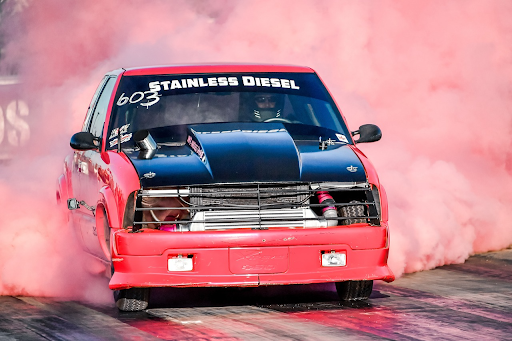
Drag Racing Communities are experiencing one of the biggest transformations in the sport’s history. Drag racing isn’t what it used to be.
Stock car racing for decades had one very set image. Older fans, blue collar, smoky burnouts, and Sunday afternoons at the strip mall. But over the last few years something has been changing. You can feel it when you walk through the gate at any new event.
The crowds look different.
Everything just seems different. And the dynamics of teams, tracks and fans relating to each other have evolved in ways no one could have imagined a decade ago.
In this article, we’ll unpack precisely what’s going on within Drag Racing Communities at the moment — and why fans, racers and event organisers should care about it.
Let’s get into it…
Major automotive events around the country continue to demonstrate how enthusiast culture is evolving. Gauge Magazine has documented similar trends throughout the custom vehicle and motorsports world, including events like HPX 2026 and other enthusiast-driven gatherings.
Inside this guide:
- Why The Old Drag Racing Image Is Fading
- How Event Branding And Wristbands Have Evolved
- The Social Media Effect On Race Culture
- A Younger, More Diverse Crowd Is Showing Up
- What This Means For Tracks And Event Organisers
Why The Old Drag Racing Image Is Fading
For years drag racing was treated like a sport stuck in its ways.
However, that picture is no longer accurate. Performance Racing Industry recently conducted a study that proves motorsports contributes $69.2 billion to the U.S. economy each year and employs more than 318,000 people. That’s not a dying sport. That’s a sport evolving.
And it goes deeper than just the numbers…
Make no mistake: Demographics of the fanbase are changing. Attendance among women is increasing. Droves of young folks are cruising into the pits. Fans of diverse backgrounds are snapping up tickets.
Tracks are listening too. They are opening up upgraded facilities, more insightful branding with events and completely rethinking the customer experience during race weekends.
The growth of Drag Racing Communities reflects broader changes happening throughout motorsports as tracks adapt to new generations of fans and racers.
How Event Branding And Wristbands Have Evolved
This is one of the biggest changes happening behind the scenes right now.
Race tracks once depended on paper tickets & simple stamps for entry… and nothing else. Now professional event managers are turning to plastic event wristbands for entry, pit passes, VIP areas, and merchandise discounts.
Why plastic event wristbands?
Tamper evident, weatherproof and rugged enough to last an entire weekend of racing. Race wristbands also allow tracks to customize racing wristbands with colours, branding, sponsor logos, tier specific designs, and more.
So a person standing in the GA crowd has a vastly different appearance than the person hanging in the pit. Which makes life significantly easier for crowd control at larger events.
It’s a minor detail. But it does speak volumes about how promoters feel about fans these days.
Here’s why this matters:
- Better access control = safer events
- Sponsor logos on plastic event wristbands = extra revenue
- Tier-based wristbands = smoother VIP and pit experiences
- Branded wristbands = takeaway keepsakes for fans
(More on the bigger picture in a second.)
The Social Media Effect On Race Culture
Social media completely rewrote the rulebook for drag racing.
Long before Instagram, YouTube and TikTok went mainstream … fans used magazines, TV broadcasts or a trip to the track to feel connected to the sport.
That world is gone.
Drivers, crew chiefs and even sponsors can connect directly with fans. Track owners have a way to promote their events as they’re happening. And little-known teams that were once invisible can amass huge followings without ever winning a big race.
NHRA on FOX has attracted some of the largest audiences in history for the sport, topping at times over 2 million viewers. This has been driven largely by online word of mouth and viral highlights from social media channels.
But this shift has a flip side too…
Social media has allowed drag racing to expand exponentially. But it has also created a group of what some insiders refer to as “keyboard crew chiefs.” Armchair enthusiasts who dissect every decision made by drivers and teams from behind their phones or computers.
Still, the upside has been massive for the sport.
The National Hot Rod Association (NHRA) continues to play a major role in promoting the sport while helping attract new audiences through media exposure and youth programs.
A Younger, More Diverse Crowd Is Showing Up
Visit the pits at a national event today and you will notice a very different crowd than you would have 15 years ago.
According to a recent industry report, 76% of racing businesses believe the racing market to be stable or growing. One of the largest factors to that growth is:
- Younger fans discovering the sport through social platforms
- More women attending events and racing competitively
- Diverse crowds drawn in by accessible classes and entry-level events
- Junior drag racing leagues feeding a new generation of drivers
That last point is a big one.
NHRA’s Youth & Education Services Program has been planting seeds for the future for some time now. But they’re really starting to sprout.
The outcome? A community that’s wider-reaching, more accepting, and far less “closeted” than its stereotype.
The future of Drag Racing Communities depends heavily on attracting younger enthusiasts who discover motorsports through digital content, local events, and grassroots racing programs.
What This Means For Tracks And Event Organisers
Okay, but what does all this mean for you if you actually OWN or PROMOTE a drag strip?
Pretty simple.
You either adapt to change or become extinct. The fans who come to the race today demand more than just a race. They demand:
- A premium event experience from arrival to exit
- Smooth entry with proper wristband systems and pit access
- Strong social media coverage and content during the event
- Family-friendly features and accessible viewing areas
- Sponsor activations that feel modern, not dated
The tracks that get this right are growing. The ones that don’t are struggling.
And here’s the thing…
This isn’t about hopping on some passing fad. The demographic inside the drag racing gates has changed forever. The fans. The mediums. The attention spans… Tracks have to evolve with them.
The Final Lap
Drag racing is going through one of the biggest cultural shifts in its history.
The stereotype athlete doesn’t exist anymore. What exists now is a younger, more networked, diverse group of athletes craving great competitions and even better experiences.
To quickly recap what’s driving the shift:
- A multi-billion dollar industry with real economic muscle
- Social media changing how fans interact with the sport
- Younger and more diverse crowds attending events
- Smarter event branding (including plastic event wristbands) raising the bar
- Tracks adapting to meet modern fan expectations
To tracks, promoters and brands out there — THIS IS HUGE. The fans are ready. The growth is there to show for it. And the community has NEVER been MORE PASSIONATE.
The only question is…
Are you keeping up with the shift?
As Drag Racing Communities continue to evolve, the tracks, teams, and promoters that embrace these changes will be best positioned to grow alongside a new generation of passionate motorsports fans.