When you picture a modern car factory, you probably think of robotic arms, conveyor belts, and sparks flying from a welding line. What most people don’t picture is the quiet, efficient crane running overhead—the one that makes all of it possible. Semi gantry cranes in automotive manufacturing provide the lifting power needed to move heavy components, tooling, and production equipment throughout the factory.
In automotive manufacturing plants around the world, the semi gantry crane has become one of the most practical and cost-effective lifting solutions on the production floor. And once you understand what it does, you’ll never look at a finished car the same way again.
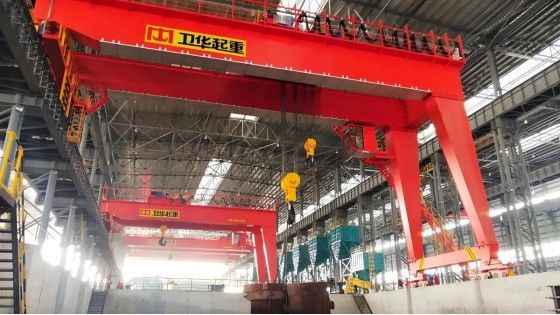
What Are Semi Gantry Cranes in Automotive Manufacturing?
A semi gantry crane—sometimes called a half gantry crane—is a hybrid lifting system that combines the best features of two common crane types. One side of the crane travels along a ground-level rail, while the other side runs along the existing structural beam of the factory building itself. No need to build a full gantry structure from scratch.
This design makes the semi gantry crane ideal for factories with limited space, tight budgets, or renovation projects—which describes a large portion of the automotive supply chain, from tier-one parts manufacturers to final assembly plants.
Weihua Crane, one of China’s leading crane manufacturers with over 37 years of experience, offers semi gantry cranes with lifting capacities from 1 to 50 tons, spans from 6 to 30 meters, and working duties from A3 to A6—meaning they’re engineered for everything from occasional maintenance lifts to continuous, high-frequency production line use.
Where Semi Gantry Cranes Fit in Automotive Manufacturing
1. Body Parts Storage and Internal Logistics
Auto plants receive stamped body panels, door assemblies, and large structural components that can weigh anywhere from a few hundred pounds to several tons. These parts need to move efficiently between receiving docks, storage areas, and the production line—without damaging sensitive surfaces.
A rail-mounted semi gantry crane handles this job cleanly. Its fixed travel path ensures precise, repeatable positioning, and its smooth variable-frequency drive control means loads land exactly where they need to, every time.
2. Production Line Material Transfer
On the assembly line, semi-finished vehicles and large subassemblies need to be transferred between workstations. Semi gantry cranes are well suited here because they can cover the full working area of a shop floor using the building’s existing overhead structure on one side—meaning no major structural modifications are required to add lifting capacity to an existing plant.
For automotive suppliers working in existing workshops or renovation projects, this is a major advantage. You get serious lifting power without the cost and downtime of rebuilding your facility. This flexibility complements many of the connected systems discussed in Gauge Magazine’s look at the digital transformation of the automotive industry.
3. Tooling and Mold Handling
The stamping and injection molding sections of an auto plant deal with heavy dies and molds that can weigh 10 tons or more. These tools need to be changed out regularly for different vehicle models, and a failed lift means production stops.
A double girder semi gantry crane available in 5–50 ton capacity provides the strength, stability, and precise control needed for this kind of critical lift. With optional intelligent monitoring systems and overload protection built in, plant engineers can run these operations safely and confidently.
Accurate material handling is especially important around welding and body assembly operations. Gauge Magazine’s guide to automotive spot welding quality control explains how real-time monitoring and production data help manufacturers maintain consistency.
4. Maintenance and Equipment Installation
Large presses, welding robots, and powertrain equipment eventually need to be serviced, repositioned, or replaced. A semi gantry crane stationed in the maintenance bay gives technicians the ability to lift and move heavy machinery with a small footprint—crucial when floor space is already occupied by production equipment.
Why Automotive Plants Choose Semi Gantry Cranes Over Full Gantry Systems
The comparison is straightforward. A full gantry crane requires independent legs on both sides, its own foundation, and significant civil engineering work. In a busy auto plant, that kind of installation is disruptive and expensive.
A semi gantry crane uses one side of the building’s existing structure, cutting both installation time and cost significantly. Weihua’s semi gantry cranes start from around USD $15,000, compared to $30,000–$150,000+ for full gantry systems—a meaningful difference for a parts supplier or a plant manager working within a capital budget.
The trade-off is that semi gantry cranes require a building with adequate beam load capacity on one side. But for the vast majority of auto manufacturing facilities built in the past 30 years, that condition is already met.
Facility planning, engineering, and software integration all play a role in modern production. Gauge Magazine has also explored how dedicated development teams are changing modern car manufacturing.
Smart Controls for a Smart Automotive Factory
Modern auto manufacturing runs on precision and data, and today’s semi gantry cranes are keeping up. Weihua’s systems can be equipped with:
- Variable frequency drives for smooth acceleration and deceleration
- Wireless remote control for operator safety and flexibility
- Anti-sway technology to prevent load oscillation during high-speed transfer
- Intelligent monitoring systems for real-time status and fault alerts
These features aren’t optional extras in a high-throughput auto plant—they’re what separates a crane that enhances production from one that creates bottlenecks.
Safe installation and operation are equally important. The OSHA standard for overhead and gantry cranes includes semigantry systems and outlines requirements covering construction, inspections, rated loads, and operation.
The Bigger Picture for Semi Gantry Cranes in Automotive Manufacturing
Every car that rolls off a production line has been lifted, moved, and positioned dozens of times before it reaches the dealer lot. The robots and conveyor systems get the headlines, but it’s the overhead lifting equipment—cranes like the semi gantry—that gives the whole operation its structural backbone.
For automotive manufacturers looking to expand capacity, retrofit an existing facility, or add flexibility to their material handling without a massive capital investment, semi gantry cranes in automotive manufacturing deserve a serious look.
Weihua Crane offers fully customized semi gantry crane solutions—including span, lifting capacity, control method, and safety configuration—backed by CE and ISO certification and more than three decades of engineering experience.