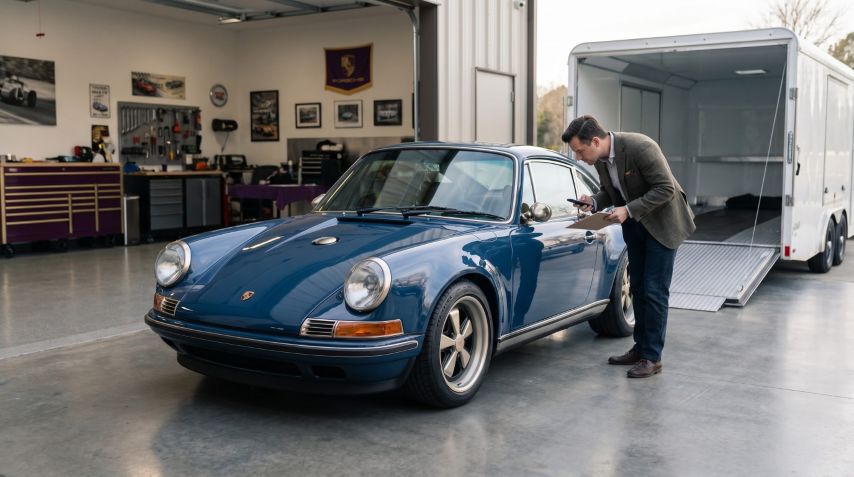
Most guys will spend five years tearing a classic car down to bare metal in their garage, spending thousands on a custom restoration, and then spend five minutes picking a shipping company when they finally sell it. People often treat moving a highly modified classic vehicle like they are mailing a simple package.
The reality is that car shipping for car collectors is completely different from moving a normal commuter vehicle. Transporting a rare build comes down to physical fit, exposure risk, and planning proper loading access — not simply calculating mileage between two garages. Expecting a massive commercial rig to arrive and “figure it out” on the fly often leads to delays or expensive damage before the trip even starts.
Many collectors researching vehicle transport also spend time learning about protecting custom vehicles and restoration projects before handing their builds over to a shipping carrier.
Start With the Car’s Actual Condition
When your vehicle enters the transport system, dispatchers usually only see the year, make, and model. The VIN may confirm the original factory configuration, but it does not tell the driver that the suspension has been lowered three inches, the front splitter barely clears the ground, or the transmission no longer works.
You must explain what the vehicle physically looks like today. Commercial trailers use steep metal ramps, and lowered cars can scrape badly during loading. If the car leaks fluid, has no brakes, or requires winching equipment, the carrier needs to know beforehand.
Failing to disclose modifications often results in drivers refusing pickup because the vehicle does not safely fit their equipment.
Choosing Between Open and Enclosed Car Transport
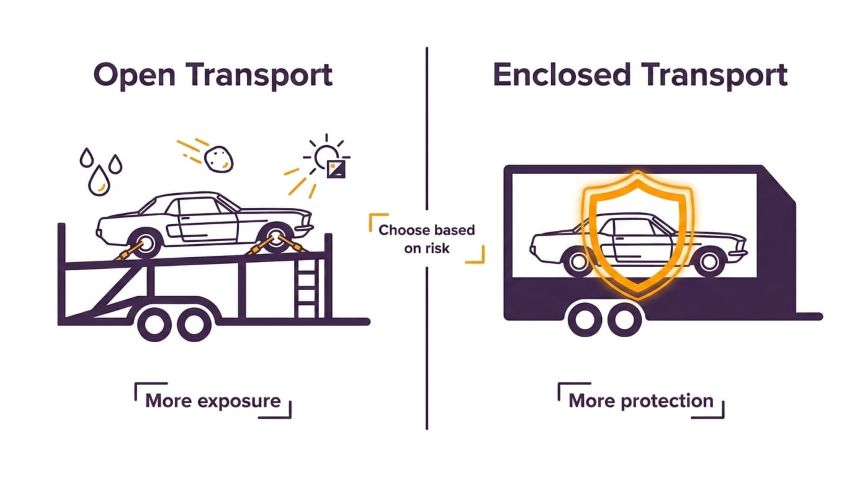
Many enthusiasts assume enclosed shipping is only about showing off expensive vehicles. In reality, enclosed car transport is primarily about reducing physical risk and environmental exposure.
Enclosed trailers help protect vehicles from:
- Road debris and rock chips
- Heavy rain and harsh weather
- Dust and dirt buildup
- Public attention during transport
The challenge is availability. Open carriers dominate the highways, while enclosed transport rigs are much harder to find. Since enclosed trailers carry fewer vehicles, collectors often compete for limited space, especially during busy seasons.
If you want maximum protection, expect scheduling flexibility and slightly longer timelines.
Verify Who Is Actually Moving the Vehicle
Most buyers overlook the paperwork side of shipping, but this is where some of the biggest problems happen. In the auto transport industry, brokers coordinate the shipment while carriers physically own the trucks and move the cars.
Understanding who is responsible for your vehicle matters.
Commercial carriers must follow federal regulations regarding operating authority and cargo insurance coverage. Many collectors get burned chasing the cheapest online quote and handing their keys to unverified drivers.
A logistics company like Rivalane Auto Transport helps vet carriers behind the scenes so customers know the truck arriving is legally authorized and properly insured.
The Federal Motor Carrier Safety Administration also provides transportation safety information and carrier verification resources for consumers moving high-value vehicles.
Plan the Pickup Location Carefully
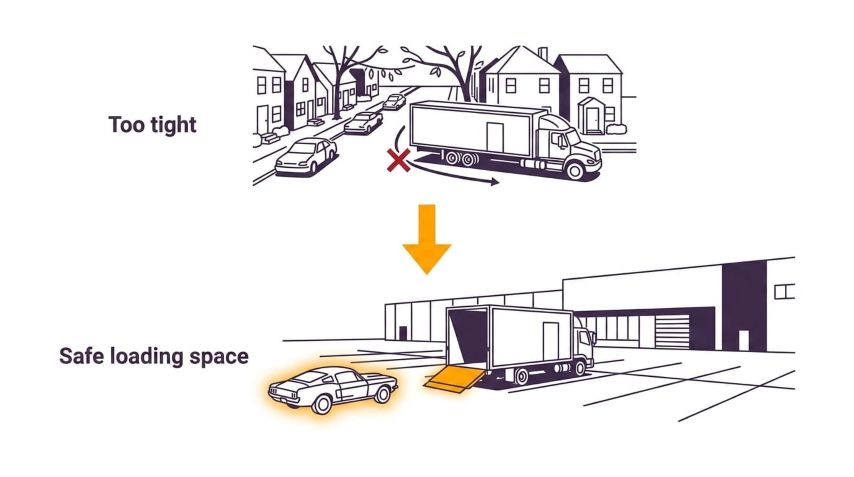
Everyone loves the phrase “door-to-door car shipping” until an eighty-foot commercial transport truck tries entering a tight suburban neighborhood.
Large carriers often cannot navigate:
- Narrow residential streets
- Cul-de-sacs
- Low hanging tree branches
- Steep driveways
- Crowded street parking
Instead, drivers commonly arrange pickup and delivery at open locations like shopping centers, industrial parks, or large parking lots where loading can happen safely without blocking traffic.
Planning this ahead of time helps avoid delays and loading complications.
Understand How Dispatch and Routing Actually Work
Many customers assume a shorter route should automatically cost less and move faster. Commercial freight routing does not always work that way.
Transport companies operate heavily around major metropolitan freight lanes where trucks can continuously reload vehicles and maximize trailer space. Remote pickups are more difficult because drivers may need to travel long distances with empty trailers before reaching your vehicle.
Fuel, maintenance, tires, and federal operating costs add up quickly for commercial carriers. Extremely cheap shipping quotes often sit ignored because legitimate drivers cannot profitably complete the route.
That usually means your vehicle sits waiting while carriers choose higher-paying routes instead.
Protect the Vehicle With Photos and Documentation
Once your car is loaded, federal cargo securement rules require the vehicle to be strapped tightly using wheel straps and stabilization equipment.
However, your best protection is proper documentation.
Before loading begins, walk around the vehicle with the driver and document every scratch, paint chip, wheel mark, or interior flaw on the Bill of Lading paperwork. Then take detailed photos from every angle.
This process should be repeated immediately upon delivery.
If you sign the final paperwork too quickly and later discover damage, proving when the damage occurred becomes much more difficult.
Allow Extra Time Before Shows or Auctions
One of the biggest mistakes collectors make is trying to ship a custom build right before a major car show, auction, or event deadline.
Commercial trucking schedules constantly change due to:
- Federal driving hour regulations
- Traffic congestion
- Weather delays
- Weigh station inspections
- Equipment checks and route changes
Professional drivers are legally required to stop after specific driving periods and frequently inspect cargo securement throughout the trip.
Giving your carrier a flexible pickup and delivery window usually leads to a much smoother shipping experience.
Final Thoughts on Shipping Collector Cars
Shipping a valuable custom vehicle successfully comes down to understanding how the freight industry actually operates. Being honest about modifications, planning realistic timelines, choosing safe loading locations, and documenting the vehicle carefully all help reduce problems during transport.
Understanding proper car shipping for car collectors also helps owners protect restoration investments, avoid expensive mistakes, and move custom builds safely between garages, auctions, and events.
Treat the vehicle like specialized freight instead of a basic commuter car, and the entire process becomes significantly easier for both the owner and the transport company.