 Whether you’re exploring snowy mountains, navigating sandy deserts, or working in wet, muddy terrain, harsh environments can be unforgiving on delicate and expensive gear.
Electronics, outdoor equipment, and specialty tools all require proper care to avoid damage from moisture, dirt, extreme temperatures, and impact.
Preparing ahead can significantly extend the lifespan of your gear and ensure it performs reliably when you need it most.
Protecting equipment isn’t just about keeping it clean—it’s about preventing long-term wear, minimizing risks, and understanding how environmental conditions affect different materials.
Choosing Gear That Withstands Tough Conditions
The foundation of protecting your equipment begins with selecting items that are designed to handle environmental stress. Many devices, including items like a ski helmet camera, often come with weather-resistant or ruggedized features, offering better durability in cold, wet, or dusty locations.
Checking manufacturer specifications for water-resistance ratings, shock protection, or temperature tolerances helps you make informed decisions about what to bring.
Preventing Moisture Damage
Moisture is one of the most common causes of equipment failure in harsh environments. Snow, rain, humidity, and condensation can all find their way into sensitive components if left unchecked.
Using waterproof or water-resistant cases can keep electronics safe, while silica gel packets inside bags help reduce humidity and prevent condensation buildup.
It’s also helpful to avoid sudden temperature changes when possible, as bringing cold equipment into a warm environment may cause internal moisture to form.
Allowing gear to gradually adjust to new temperatures reduces the likelihood of condensation developing inside lenses, screens, or battery compartments. Drying items before packing them away helps prevent mold or corrosion over time.
Protecting Gear From Dust and Debris
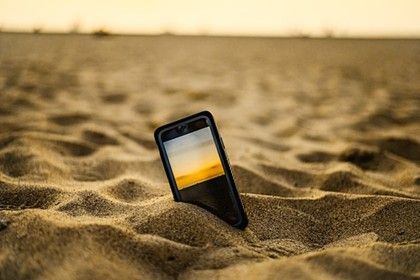
Dust, sand, and fine particles can cause mechanical wear, clog moving parts, and scratch surfaces. Environments such as deserts, windy trails, and dirt-covered paths can be especially challenging for devices with small openings or delicate mechanisms. Using tightly sealed pouches or dustproof cases helps prevent debris from getting inside.
Regular cleaning is equally important. Soft brushes, microfiber cloths, and air blowers can remove particles without scratching or damaging surfaces. Developing a habit of cleaning gear after each outing keeps small issues from turning into long-term damage.
Shielding Equipment From Impact
Falls, bumps, and rough transport can be unavoidable in rugged environments. Hard-shell cases, padded inserts, and shock-absorbing mounts help reduce the risk of impact-related damage.
Even small drops can harm sensitive items like lenses, screens, or internal circuitry, so padding is a simple and effective form of protection.
When traveling, packing your gear strategically can also make a difference. Placing heavier items at the bottom of a bag and cushioning fragile equipment between softer items helps distribute force more evenly. This reduces the likelihood of damage if your pack shifts or falls.
Protecting Batteries and Electronics From Temperature Extremes
Extreme temperatures can significantly affect battery performance. Cold conditions tend to reduce battery capacity temporarily, while excessive heat can lead to long-term degradation.
Keeping batteries in inside pockets or insulated containers helps maintain a more stable temperature.
Many electronics have manufacturer-recommended operating temperature ranges. Staying within these limits helps ensure consistent performance and avoids conditions that may shorten the lifespan of your devices.
Planning how and where you store equipment during your trip can prevent temperature exposure from becoming a problem.
Maintaining Your Gear Between Trips
Post-trip maintenance is essential for keeping expensive equipment in good working condition. Cleaning, drying, and inspecting your gear after each use can help you spot potential issues early. Re-lubricating moving parts or replacing worn straps and seals prevents small problems from escalating into costly failures.
Storing equipment in a cool, dry place also helps extend its lifespan. Long-term exposure to heat, humidity, or sunlight can weaken materials and degrade electronics. Taking the time to properly store your gear pays off the next time you head into challenging terrain.
Giving Your Gear a Fighting Chance
Harsh environments don’t have to shorten the life of your equipment. With the right preparation, protective accessories, and thoughtful care, you can safeguard even your most delicate or expensive tools from the elements.
When your gear is ready for whatever nature throws your way, every adventure becomes a little smoother—and a lot more enjoyable.