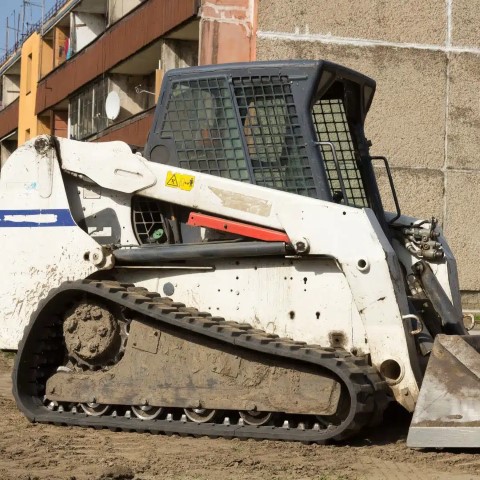
Like a car needs regular service, heavy machinery requires a maintenance schedule. Why? A schedule is a preventive measure. It avoids unforeseen errors, downtime, and delays. Thus, any construction project runs smoothly. It’s without on-site accidents, and the machinery service life is longer. Take Bobcat rubber tracks as an example. This is a critical construction equipment part. It ensures stability and traction and guarantees smooth operation. Yet, it is always exposed to loads and uneven surfaces. If there’s no proactive maintenance, performance is low.
The year 2024 and beyond offer advances in technology. They add to the durability of construction equipment. No matter how harsh the conditions are.
Maintaining Bobcat Rubber Tracks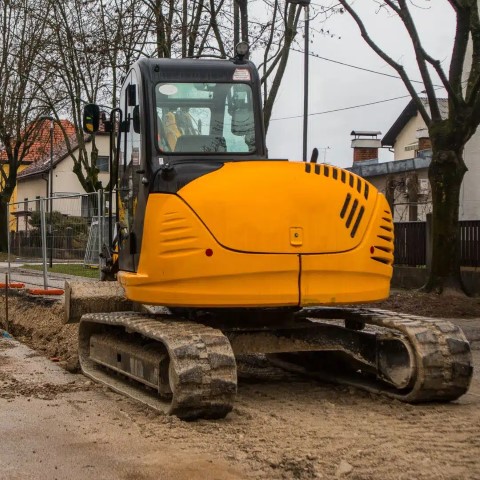
Bobcat rubber tracks play a major role in the performance of compact equipment. They add to performance efficiency. They are indispensable. This is why their proactive maintenance is critical. When the maintenance routine is behind, breakdowns occur. This increases construction costs. And they always disrupt projects.
From a technical perspective, neglected routine means:
- Reduced traction
- Bad stability
- Low productivity
- Little safety
- Increase vibrations
- Stressed machine parts
Proper care means helps to:
- Reduce risks
- Cut down unexpected failures
- Stick to construction schedules
- Enhance traction
- Cut slippage
- Streamline productivity
Maintenance is good. But it has little effect if tracks are of low quality. High-quality Bobcat rubber tracks are durable. They meet precise needs and specifications. They guarantee optimal performance. What if you replace rubber tracks and maintain them as needed? Them, construction equipment life extends. This is a long-term investment that pays off.
Sustainability and Eco-Friendly Innovations
The construction industry is one of those few moving towards greener practices. This is relevant for machinery and materials. For instance, a popular cleaner alternative is hybrid & electric machinery. It lowers emissions of greenhouse gas and requires less maintenance. Its noise levels are low, which is critical for urban areas.
Manufacturers are also for sustainability. They used recycled materials and components in production. This saves natural resources. They are also working on more advanced materials: lighter but more durable. This is the way to reduce carbon footprint, too.
Finally, the world’s authorities have created new regulations. They push construction businesses toward green technologies. They encourage waste reduction, start hybrid machinery use, and support topical research.
Smart Construction Equipment: IoT & Telematics
Smart technologies have entered many industries. Construction is no exception. Through IoT, modern equipment performs real-time communication. The technology helps to optimize operations and advance diagnostics.
Let’s focus on IoT sensors, as an example. They help to:
- Immediately detect machinery issues
- Send valuable insights
- Detect early wear and tear
- Foresee sudden breakdowns
- Check equipment status
- Cut down on-site supervision
As for modern telematics systems, they offer centralized fleet control for improved exploitation. Telematics systems rank equipment services. They enforce safe practices and share data on fuel consumption. Such tools are indispensable. With them, a construction company lowers costs but increases efficiency.
Bobcat has also taken over smart technology. Bobcat tracking systems check machines’ position and prevent theft. They share performance data, so managers always make informed decisions. The system has remote diagnostics functionality. On-site adjustments are now fewer.
Smart technology adoption reduces downtime and saves costs. It boosts productivity levels and helps achieve desired levels of reliability and efficiency.
Technological Innovations That Shape the Future
Advancements in AI, AR, and VR are also crucial. They are more about efficiency and safety improvement. Let’s focus on AI, for instance. Artificial Intelligence helps to analyze a machine’s historical and current data. This helps teams to foresee servicing. The technology sees malpractice and points out how to improve productivity. Also, AI shares insights that assist PMs in making decisions. AI helps a construction team stay efficient and competitive.
As for VR and AR applications, the technology serves training and planning initiatives. VR creates environments where one can practice safe and effective equipment use. AR can direct a user through difficult tasks. This helps employees avoid accidents.
AI and VR/AR in construction boosts efficiency, enhance safety, and cut costs. Their adoption alongside Bobcat rubber tracks and skid steers prepares for the future.
Workforce and Training
With new technologies, the construction industry is undergoing reshaping. So are the job roles. Today, there’s an urgent need for proficient workers. They have to operate cutting-edge equipment.
Employees need to gain skills in VR/AR tools, telematics, and automation software. They need to know how to blend traditional knowledge and new technologies. This means knowing the mechanics and using the new software. This will allow them to stay competitive.
To grow and advance in their skills, workers have to turn to ongoing education. This is the way to stay updated on software and new tools. Also, they have to combine practical experience with hands-on experience. Simulations based on VR are great assistants in this. What’s also helpful is autonomous machine training. A vivid example is a Bobcat skid machine.
Modern training focuses on operations efficiency and employee safety. It teaches how to cut risks with no limits for operations efficiency. This forward-thinking focus allows to enable their teams to manage new technologies effectively.
Once workers adapt to and adopt technologies, a company builds a capable workforce. Turnover will reduce. As for the project’s success, it’ll go high.
Conclusion
There are three core focuses for the construction industry now. They are smart technologies, sustainability, and automation. If they become a priority, a company improves efficiency. It also prepares for a competitive future. If a company overlooks them, it drags behind and loses its competitive edge. Embracing innovation allows a company to improve productivity, gain profits, and reduce costs.
Invest in the right equipment. Do not forget to maintain service schedules. Adopt smart technologies. And train your employees, preparing them for further advancements. This is the future of the construction industry. If you embrace the change, you win. If you choose to skip, the future will not be waiting for you. It’ll be open to others.