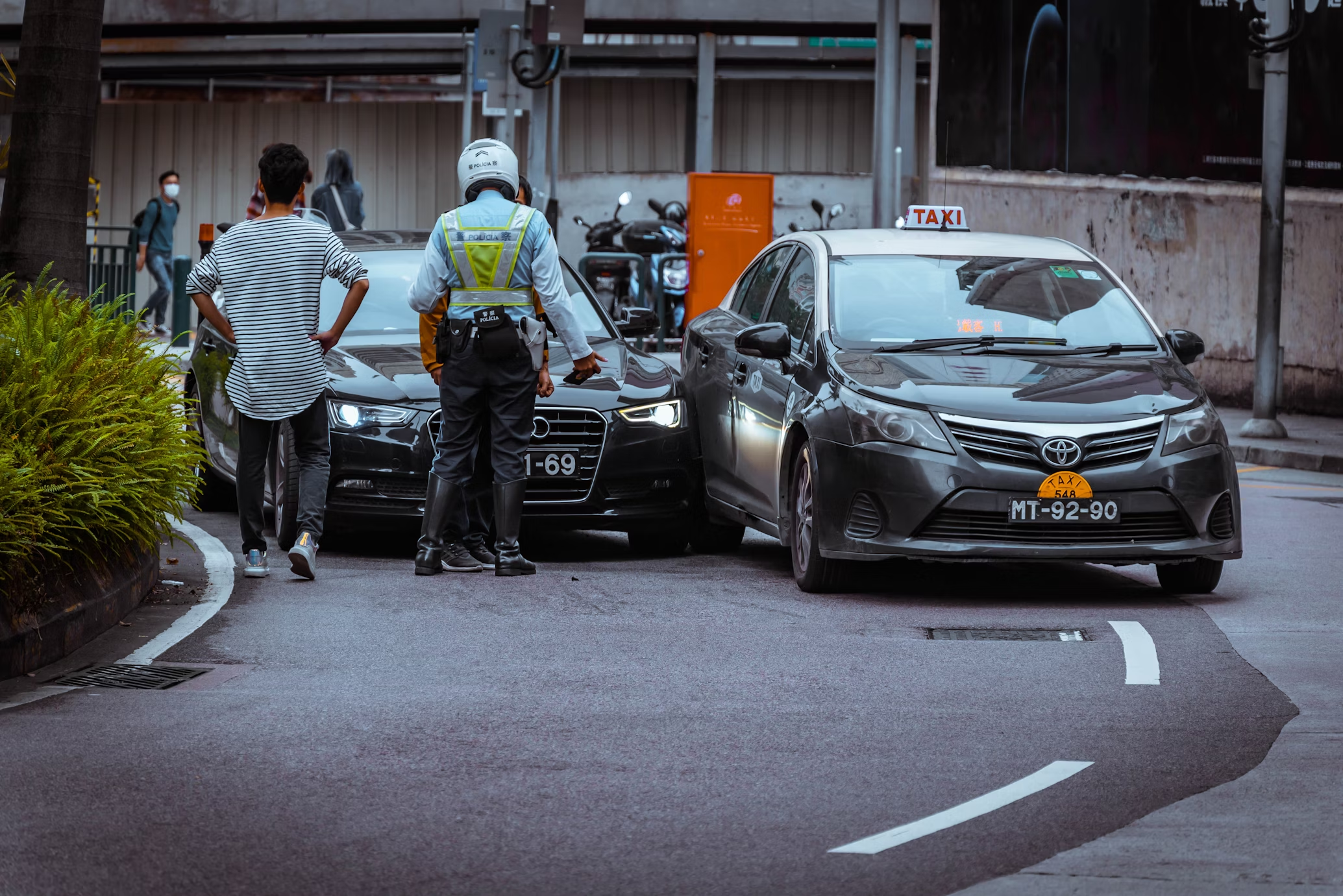
Carpooling with colleagues to work is a common practice that offers numerous benefits. It reduces traffic congestion, saves on gas costs, and can even be a fun way to socialize with coworkers. However, carpool arrangements introduce an additional layer of complexity in the unfortunate event of an accident. Determining who is liable for damages and injuries can be more nuanced compared to a standard car crash. In this article, we will talk about the different parties who might be held responsible for a company carpool accident. We will also discuss the factors that influence liability.
The Driver’s Role and Responsibility
The driver in a carpool scenario carries the most significant burden of responsibility. They are expected to operate the vehicle safely and in accordance with traffic laws. This includes adhering to speed limits, avoiding distractions like texting or eating while driving, and maintaining a safe following distance.
If the driver’s negligence causes the accident, they will likely be held liable for damages sustained by passengers and potentially other parties involved. One of the main causes of car crashes is driver distraction. Forbes notes that almost 3,000 people die due to distracted driving accidents every year in the United States.
Passenger Liability
While passengers generally aren’t responsible for controlling the vehicle, their behavior can influence the situation. A passenger’s behavior can sometimes be a factor in the collision.
Bankrate reports that research indicates a reduction in distracted driving among 15–to 17-year-old youths when there are fewer passengers in the car. Reducing the number of passengers reduced the number of distracted driving deaths by 21% when there were no passengers.
The number of distracted driving deaths was reduced by 7% when there was one passenger. If a passenger distracts the driver by playing loud music or engaging in a heated argument, they could be found partially liable. Some states that follow a comparative negligence system reduce compensation based on your accident fault percentage.
Local Laws and Specific Situations
Traffic laws and legal doctrines regarding carpool accidents can vary depending on your location. Some states have specific laws related to carpooling, such as those governing the use of high-occupancy vehicle (HOV) lanes. Additionally, certain carpool arrangements, like those involving company-owned vehicles or designated carpool programs, might introduce additional layers of complexity when determining liability.
TorHoerman Law suggests consulting an attorney familiar with local laws to determine liability in a specific accident scenario like this.
For example, in Missouri, the comparative negligence rule applies to car accidents, including carpool accidents. This means that the fault for the accident is apportioned among all parties involved based on their contribution to the incident. If a carpool passenger in Missouri distracts the driver by playing loud music, the passenger might be assigned a percentage of fault.
Furthermore, St. Louis, a major city in Missouri, has specific regulations regarding carpool lane usage. These lanes are designated for vehicles with a minimum number of occupants, and carpoolers who violate these rules could face fines.
According to the U.S. Department of Transportation, HOV lanes are generally similar to any other street or highway lane. The only exception is that they are marked with signs and diamonds painted on the pavement. The majority of the differences are related to the functioning of HOV lanes.
Certain lanes referred to as concurrent flow lanes, run along general-purpose lanes that are parallel to them. Others, known as contraflow lanes, run in the opposite direction as surrounding lanes. This allows HOVs to go on the “wrong” side of the highway with barriers separating them from approaching traffic.
A carpool accident in a St. Louis HOV lane, where the driver violates occupancy requirements, can strengthen the case against them.
In such situations, consulting with a St. Louis car accident attorney specializing in carpool accidents can be crucial. These attorneys understand the intricacies of comparative negligence and HOV lane regulations. They can help navigate the legal complexities to ensure your rights are protected.
The Employer’s Potential Liability
The concept of respondeat superior comes into play when considering the employer’s potential liability. According to this law, employers are liable for their workers’ conduct while they are carrying out work-related tasks.
Forbes highlights that the Latin expression respondeat superior directly translates to “let the master answer.” It is a legal concept that is relevant to several different types of civil lawsuits across the US. According to the law, an employer is liable for any carelessness or misconduct done by a representative or employee. The employer is the “master,” and as such, they are responsible for the deeds of people working for them.
If a carpool accident occurs when the driver is traveling to or from a work-related event with passengers, the employer might be held liable. This falls under the legal doctrine of respondeat superior.
However, the employer’s liability can extend beyond this doctrine. If the company encourages carpooling through incentives or promotes unsafe carpool practices, they could be found negligent and share responsibility for the accident.
Carpool Agreements and Insurance Coverage
Having a clear carpool agreement in place between the driver and passengers can help mitigate potential disputes in the aftermath of an accident. This agreement can outline expectations regarding sharing gas costs, passenger behavior, and potential insurance coverage concerns.
It’s also essential for all parties involved in a carpool to ensure they have adequate auto insurance coverage. While a driver’s personal policy might provide primary coverage, passengers should also consider having personal injury protection (PIP) on their own car insurance.
Investopedia notes that PIP pays for medical expenses associated with injuries received in a car crash. Regardless of whether the policyholders’ passengers have health insurance or not, PIP protects both parties. PIP insurance has a maximum coverage limit per person and a minimum coverage amount.
FAQs
What do you mean by carpool?
Carpooling is a ride-sharing arrangement where multiple people travel together in one car. This is typically done to work or school, and participants take turns driving or share the gas costs. It’s a way to reduce traffic congestion, save money, and potentially be more social during commutes.
What is another term for respondeat superior?
Respondeat superior is a legal doctrine that holds employers liable for the actions of their employees while they are performing job-related duties. In simpler terms, if an employee causes an accident while on the clock or doing something for work, the employer could be held responsible.
What is a carpool arrangement?
A carpool arrangement is a pre-determined agreement between people to share rides in a car. This can be informal, like colleagues taking turns driving to work, or more formal, involving designated pick-up and drop-off points and a set schedule. Carpool arrangements can help reduce traffic and emissions and sometimes offer benefits like access to HOV lanes.
In summary, carpool accidents can be complex legal situations. While the driver usually bears the most responsibility, passenger actions, and employer involvement can influence liability. Local laws and carpool agreements further complicate the issue.
If you’re involved in a carpool accident, understanding comparative negligence, respondeat superior, and having proper insurance coverage can be crucial in protecting your rights. Consulting with an attorney familiar with carpool accident legalities is advisable to navigate these complexities effectively.