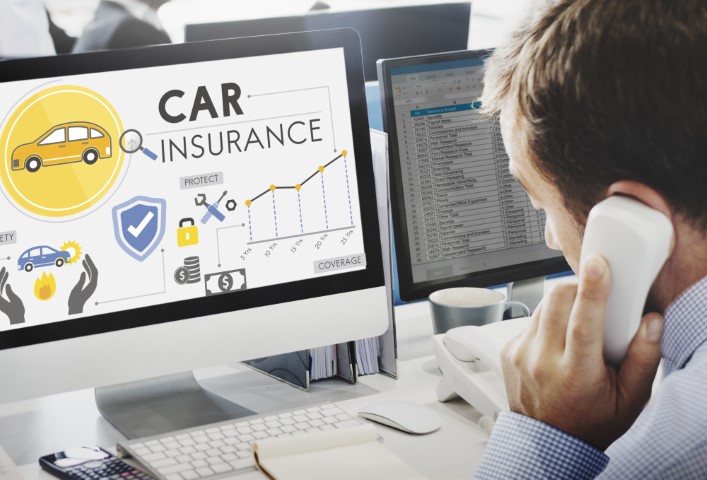
 Buying car insurance can seem like a hassle. Finding the right car insurance means you have to spend time calling car insurance companies to get a quote. But when you get a quote, do you understand the options that are available to you?
Words like deductible and liability can be confusing, and it can be helpful to know what it all means.
If you are looking to buy a car insurance policy, you will want to pay attention. This article will help you understand car insurance better.
Here are 12 things you should look for when purchasing a car insurance policy.
- Find a Broker
One of the first things you should do when looking to buy a car insurance policy is finding an agent who is a broker. Car insurance brokers can do all the shopping for you providing many car insurance quotes at once.
The reason being a broker means they represent multiple carriers. They can find the insurance company with the best rate for the coverages that you need.
An insurance broker can also offer more than just car insurance. Which again makes them a one-stop-shop that can save you both time and money.
- Cheap Car Insurance Isn’t Always a Good Thing
When shopping for top cheap car insurance companies, , many people say they want the cheapest coverage. Often customers will ask for what the state requires to be legal. Yet, it’s important to note that cheap doesn’t mean adequate coverage.
Some insurance companies will offer the cheapest rates with the lowest coverage amounts. This could leave you exposed if you were in an auto accident. For example, if you have split liability limits that are 10/20, it may not protect you in an auto accident if you injured someone.
These limits mean that you have the liability protection of $10,000 per person and $20,000 per accident. But let’s say you hurt three people in a vehicle and you were responsible for the accident. If their injuries totaled $25,000, you would be on the hook for the additional $5000 out of pocket.
That can cause financial hardship and impact your future. If you have to pay for car insurance, don’t you want it to work for you when you need it?
While it is important to find affordable rates, make sure you have the best coverage to match.
- Know What Your Deductible Is
Another thing to look for in a car insurance policy is the deductible. A deductible is what you have to pay the insurance company first before they pay a claim. It is important to know that the higher your deductible, the lower your premium will. But, the lower your deductible, the higher the premium will be.
Many customers will choose between a $250 deductible and a $500 deductible. Some states allow deductibles as high as $5000. If your financing your car or have a lease agreement, your lender may need you to have a deductible no higher than $1000.
You want to make sure your deductible is something you can pay at any time. The reason is you never know when you will have an auto accident.
- Understand Your Liability Limits
One of the biggest things to look for in a car insurance policy is your liability limits. It is important to know there are two different types of liability limits: combined single limits and split liability limits. When you select a combined single limit, that means that there is a single dollar amount that can be applied to any combination of property damage, liability, and bodily injury claims.
Split liability limits mean a specific amount for the type of liability that applies within the accident. One limit will be per person, the other limit will be per accident, and the final limit will be property damage. For example, a split liability limit will look like this 50/100/50.
When selecting liability limits, split limits are the most common. These have a significant impact on the overall premium, but it is a good rule of thumb to start with 300 combined single limits and 100/300/100 for split liability limits.
- Do I Need Medical Payment Coverage and Death Indemnity?
Medical payments are an option on a car insurance policy in some states. While it is optional, you may want to add this coverage if you don’t have health insurance or if you’re going to mitigate the cost of medical bills.
If you have an auto accident, this coverage would provide coverage for medical expenses up to the limit selected. For example, if you have $5,000 in medical payments, that is the amount that will go toward your medical expenses.
When it comes to death indemnity coverage, this offers a death benefit if you or your passengers sustained fatal injuries. This death benefit will only be paid if the cause of death was related to an auto accident. Each insurance company has different guidelines around this coverage, so it’s best to check with your local agent when reviewing your car insurance policy.
If you have a life insurance policy, you can choose to forego this type of coverage because it would pay death benefits no matter the cause of death.
- How Does Personal Injury Protection Work?
Personal injury protection or PIP is very similar to medical payments coverage. The most significant difference that PIP can offer loss of wages and services. For example, if you are in an auto accident and cannot work for a week or two, your personal injury protection could cover those expenses up to the limit you select.
While some states offer both PIP and medical coverages, some states only offer one or the other.
- What’s the Difference between Collision and Comprehensive Coverage?
As you shop for a car insurance policy, you will hear collision and comprehensive coverage. Many people consider this “full coverage” when you have both of these coverages on your policy. These two coverages differ because collision coverage will get your vehicle fixed if you were in an auto accident with another car.
Comprehensive coverage is if you are involved in an accident with anything other than another vehicle. For example, if you hit a deer driving down the road or a tree falls on your car, it is comprehensive coverage that you will use to get your vehicle fixed.
This coverage is where your deductible comes into play. When selecting your comprehensive coverage, make sure to ask if glass coverage is included. Some people choose to keep a lower comprehensive coverage deductible just if they have to replace their windshield or windows.
For instance, they would have a $250 comprehensive deductible and a collision deductible at $500.
- Should I Add a New Car or Better Car Replacement?
While some coverages are required, there are also optional coverages that you should be looking for when getting car insurance quotes. One coverage that could benefit you if you have recently purchased a new car is a new car replacement.
New car replacement usually covers a vehicle that’s model year is less than 365 days old. If you were involved in an accident deemed a total loss, this coverage would allow you to get a brand new car. In some cases, the vehicle can be a year newer and with fewer miles than your previous car.
Better car replacement works the same way; only it covers cars up to 3 years old. Some car insurance companies add this to your policy for free, while others charge a fee.
- Uninsured and Underinsured Motorist Coverage
Another thing to look for in an auto policy is uninsured and underinsured motorist coverage. These two coverages can be combined in some states and separate in others. Uninsured motorist coverage (UM) helps cover accident expenses when hit by someone who doesn’t have car insurance.
Underinsured motorist coverage or UIM helps cover accident-related expenses if the person who hits you doesn’t have enough insurance to cover your medical bills and car repairs. UM and UIM property damage coverage helps take care of expenses related to your property if an uninsured or underinsured driver damages it in an accident.
- Choose a Reputable Carrier
When comparing car insurance policies, you want to make sure that you choose a good auto insurer. You want to research the companies ratings and see what other customers are saying about their experience. You also want to make sure they offer affordable premiums and understand what kind of discounts they have to offer.
- Roadside Assistance and Rental Car Reimbursement
Other optional coverages to look for are roadside assistance and rental car reimbursement. Having roadside assistance coverage on your car insurance policy will offer towing, gas, tire repair, or locksmith services.
Rental car reimbursement will provide a rental car while your car is in the auto repair shop after an accident.
- Payment Methods and Claims Process
The last thing you should look out for in your car insurance policy is payment methods and understand the claims process. Some car insurance companies offer a discount for paying for the whole year or in six monthly installments.
As for the claims process, ask the insurance company how often they pay on claims and the duration of the process. Knowing this information upfront can help you in choosing the best insurance policy for you.
Understanding Your Car Insurance Policy Is Easy
Now that you know what to look for when shopping for a car insurance policy, it’s a great time to review your current coverages. Reaching out to your local insurance broker can help you find the best rates.
If you liked this article, you will find similar content by visiting our website today!