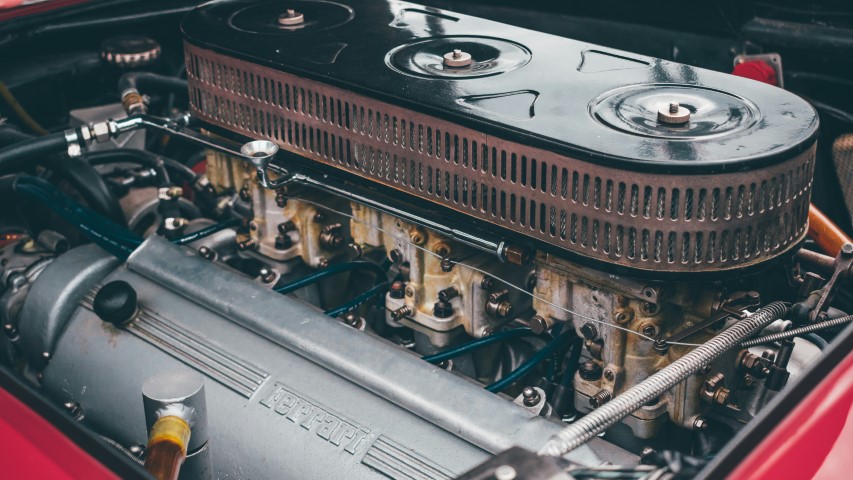
 Despite their complexity and durability, car engines are prone to certain failures that can leave drivers stranded and facing costly repairs or be the cause of collisions. Understanding the most common engine failures can help drivers identify potential issues early and take preventative measures to keep their vehicles running smoothly and avoid accidents. According to Phoenix car accident lawyers, in some instances, you may also have a lawsuit against the vehicle manufacturer if a malfunction causes an accident. In this article, we dive into the top five most common car engine failures, exploring their causes, symptoms, and prevention strategies.
1. Overheating
One of the most prevalent engine issues is overheating, which occurs when the engine’s temperature rises beyond its optimal operating range. Overheating can result from various factors, including low coolant levels, a malfunctioning thermostat, a faulty radiator, or a broken water pump. Symptoms of an overheating engine may include steam emanating from the hood, a rising temperature gauge on the dashboard, or a burning smell.
Prevention
Regularly checking coolant levels, inspecting hoses for leaks or cracks, and ensuring proper functioning of the cooling system components can help prevent overheating. Additionally, adhering to recommended maintenance schedules and avoiding heavy loads or prolonged idling can mitigate the risk of overheating.
2. Oil Leaks
Oil leaks are another common engine problem that can lead to serious consequences if left unchecked. Leaks may occur due to degraded gaskets, seals, or worn-out engine components. A leaking engine can result in insufficient lubrication, leading to increased friction, overheating, and eventual engine damage. Signs of an oil leak include puddles or stains beneath the vehicle, a burning oil odor, or a drop in oil levels.
Prevention
Routine inspections of the engine bay for signs of oil leaks, such as wet spots or oily residue, are crucial for early detection. Promptly addressing any leaks by replacing faulty gaskets or seals can prevent further oil loss and potential engine damage.
3. Ignition System Failure
The ignition system is responsible for starting the engine and ensuring smooth combustion. Failure of ignition components such as spark plugs, ignition coils, or the ignition control module can result in misfiring, rough idling, or difficulty starting the engine. Ignition system failures may stem from wear and tear, electrical issues, or exposure to extreme temperatures.
Prevention
Regularly inspecting and replacing worn or fouled spark plugs, checking ignition cables for damage, and ensuring proper ignition system maintenance can help prevent failures. Additionally, using high-quality fuel and adhering to recommended service intervals can prolong the lifespan of ignition components.
4. Engine Misfires
Engine misfires occur when one or more cylinders fail to ignite fuel-air mixture properly, resulting in rough running, loss of power, or increased exhaust emissions. Misfires can be caused by various factors, including faulty spark plugs, fuel injectors, ignition coils, or engine sensors. Additionally, issues such as vacuum leaks or compression problems can contribute to misfires.
Prevention
Regular engine tune-ups, including inspection and replacement of spark plugs, fuel injectors, and ignition components, can help prevent misfires. Addressing underlying issues such as vacuum leaks or compression loss promptly can also minimize the risk of misfire-related damage to the engine.
5. Timing Belt Failure
The timing belt is a critical engine component that synchronizes the rotation of the crankshaft and camshaft, ensuring proper engine operation. Over time, timing belts can degrade, leading to potential failure. A broken timing belt can cause catastrophic damage to the engine, including bent valves, piston damage, or even complete engine failure.
Prevention
Replacing the timing belt at recommended intervals specified by the manufacturer is essential for preventing failures. Neglecting timing belt replacement can result in costly repairs and extensive engine damage. Additionally, inspecting the timing belt for signs of wear or damage during routine maintenance can help identify potential issues before they escalate.
While car engines are designed to withstand rigorous use, they are not immune to failures. Understanding the top five most common engine failures, including overheating, oil leaks, ignition system failure, engine misfires, and timing belt failure, is crucial for maintaining vehicle reliability and performance. By adhering to recommended maintenance schedules, conducting regular inspections, and addressing potential issues promptly, drivers can minimize the risk of engine failures and prolong the lifespan of their vehicles.