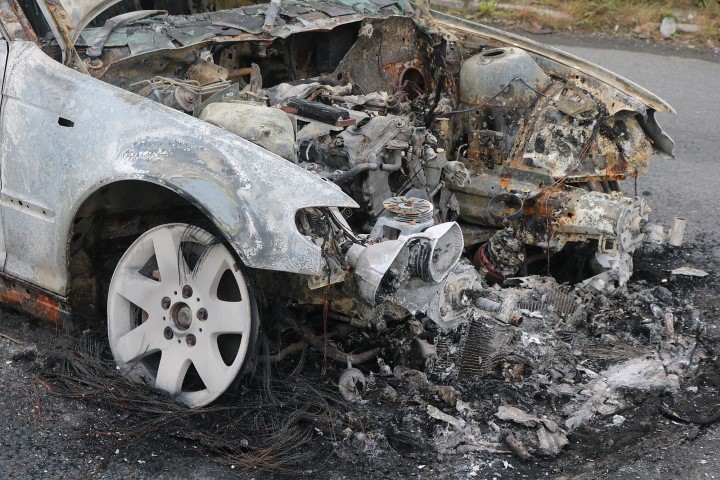
 Being involved in a car accident can be a jarring experience. The adrenaline fades, replaced by the daunting task of dealing with the aftermath. One major concern is your car’s well-being—how to get it back to its pre-accident condition, both aesthetically and functionally. Collision repair is the answer, a process that meticulously restores your vehicle’s safety and appearance. But navigating the repair process itself can feel overwhelming.
Read on to learn essential steps to take after a collision, from finding a reputable repair shop to working effectively with your insurance company, ensuring a smooth journey towards getting your car back on the road.

Finding a Reputable Collision Repair Shop
Finding the right collision repair shop is crucial for a quality repair that restores your car’s safety and appearance. These shops possess the expertise and equipment to handle collision damage, from minor dents to complex frame repairs.
Here’s how to identify a reputable shop to ensure your car is in good hands:
Seek recommendations
Talk to friends, family, or your mechanic for recommendations. People you trust can provide valuable insights into their experiences with local collision repair shops.
Check online reviews
In today’s digital age, online reviews hold significant weight. Look for shops with consistently positive reviews across platforms like Yelp or Google My Business. Pay attention to what past customers mention regarding quality of work, customer service, and communication.
Verify certifications
Reputable collision repair shops prioritize ongoing training and certifications. Look for shops certified by organizations like the Inter-Industry Conference on Auto Collision Repair (I-CAR). These certifications demonstrate the shop’s commitment to industry standards and technician training.
Get multiple estimates
Don’t settle for the first estimate you receive. Obtain written estimates from several shops to compare prices, services offered, and repair timelines. During your visit, ask detailed questions about the repair process, the parts they’ll use, and the warranty provided. Collision repair shops like Formula 1 Collision Center understand the importance of transparency and will gladly explain the repairs needed and provide a detailed estimate.
By following these steps, you’ll find a reputable collision repair shop that prioritizes quality workmanship, clear communication, and customer satisfaction throughout the repair process.

Assessing the Damage
After a car accident, check for injuries and ensure everyone’s safety before inspecting the damage to your car. This initial assessment helps determine the following steps, whether calling for help or filing an insurance claim.
Here are some key signs to look for when assessing the damage:
Body damage
Look for dents, scratches, cracks, or misaligned panels on the hood, fenders, doors, or trunk. These imperfections can range from minor cosmetic blemishes to significant structural damage.
Windshield damage
Cracks, chips, or spiderwebs in the windshield can significantly impair visibility and compromise safety. Even small cracks can worsen over time and require windshield replacement.
Lighting issues
Check the functionality of headlights, taillights, and turn signals. Inoperable lights are safety hazards and must be addressed before driving your car again.
Mechanical problems
Pay attention to any unusual noises, difficulty steering, or leaks. These could indicate underlying mechanical issues that require professional attention from a mechanic or collision repair shop.
Don’t hesitate to take pictures of the damage from various angles for documentation. This will be helpful when filing an insurance claim or talking to a repair shop. While a thorough inspection can be done by a professional, this initial assessment will give you a general idea of the extent of the damage.
Working with Your Insurance Company
Understanding how to work with your insurance company after a collision is essential to ensure a smooth claims process.
Here’s what you need to know:
File an accident claim
Contact your insurance company immediately after the accident, ideally within 24 hours. Report the accident details, including the date, time, location, and parties involved.
Gather documentation
Collect any relevant documentation, such as the police report, pictures of the damage, and contact information for anyone involved.
Cooperate with your adjuster
An insurance adjuster will be assigned to inspect your car and estimate the repair costs. Be truthful and answer their questions clearly.
Review the estimate
Carefully review the repair estimate provided by your insurance company. Don’t hesitate to ask questions if anything is unclear.
Negotiate the settlement (optional)
In some cases, you may be able to negotiate the repair settlement with your adjuster if you feel the initial offer is too low.
Understand your coverage
Before proceeding with repairs, ensure you understand your policy coverage limits and deductible amount. You’ll be responsible for the deductible while your insurance covers the remaining repair costs up to your coverage limit.
By following these steps and communicating clearly with your insurance company, you can navigate the claims process efficiently and ensure a fair resolution for your collision repair.
Conclusion
Getting your car back on the road after a collision can seem daunting, but with the right information and preparation, you can confidently navigate the process. Following the steps outlined in this guide will enable you to find a reputable repair shop, assess the damage effectively, and work collaboratively with your insurance company. Remember, prioritizing safety throughout this journey is paramount. Don’t hesitate to ask questions and seek clarification whenever needed. With planning and knowledge, you’ll be cruising down the road in your repaired car in no time.