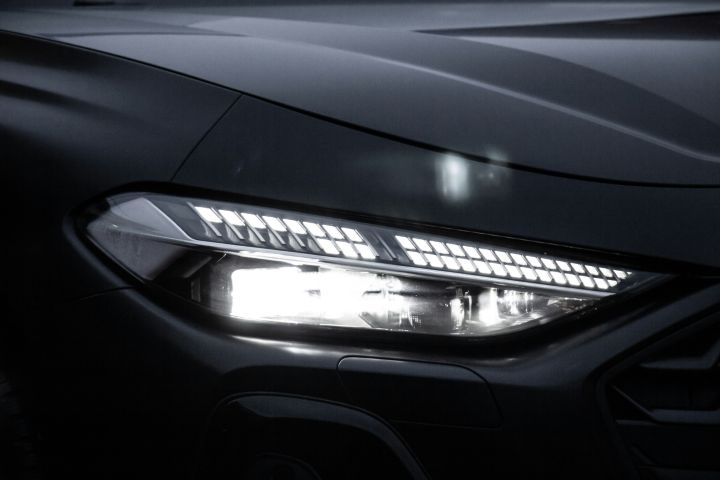
 Night driving can be tricky. Dark roads, wildlife, and low visibility can turn a fun drive into a nerve-wracking experience. That’s why LED driving lights are so popular in Australia — they’re bright, reliable, and perfect for off-road adventures. But here’s the catch… not all LEDs are road-legal, and using the wrong lights can get you fined or even fail registration.
So, let’s break it down. This is your go-to guide for everything you need to know about road-legal LED driving lights in Australia, in plain, easy-to-follow language.
1. What counts as road-legal LED driving lights?
First up — what does “road-legal” even mean?
Road-legal LED driving lights are lights that meet Australian Design Rules (ADRs). These rules cover a few things: how bright the light can be, where it can be mounted on your vehicle, and how the beam should shine. It’s not just about cranking up the brightness to blind the darkness — it’s about staying safe and avoiding trouble.
Here’s a real-world example: you might see a $100 LED light bar online claiming it’s “ultra-bright.” Cool, right? But if it’s off-road only and doesn’t meet ADR standards, mounting it on your 4×4 could land you a fine or a defect notice.
Tip: Always check for the ADR compliance label before buying. It’s the quickest way to know if your lights are street-legal.
2. Which standards actually matter?
Now let’s get a little technical — but don’t worry, we’ll keep it simple.
The two big ones for LED driving lights are:
- ADR 13/00 – this covers how lights are installed on your vehicle. It looks at mounting height, symmetry, and direction.
- ADR 101/00 – this is all about the LED itself, including how it performs and its electrical properties.
If a light passes both, it’s usually good to go for road use. Fail one, and you’re risking fines and points on your license.
Pro tip: When in doubt, look at the product specs and packaging. If the manufacturer references ADR 13/00 or 101/00, you’re probably safe.
3. Can I just use any LED lights?
Here’s where a lot of people get tripped up. The answer is a hard no. Not all LED lights can be used on Australian roads. Many are “off-road only” — they’re fine for tracks, campsites, or the bush, but you can’t legally drive with them on public roads.
Picture this: you mount a super-bright LED bar on your ute thinking it’s fine. You get pulled over, and the officer notices it’s off-road only. That’s an instant fine, plus potential demerit points.
Tip: Always read the fine print. If it says “off-road only,” leave it there. And remember, bigger or brighter doesn’t always mean better — sometimes it just means more trouble.
4. Which brands are safe bets?
You want reliability, compliance, and peace of mind. Brands like ARB, Rigid Industries, Nilight, and STEDI are known for producing ADR-compliant lights.
STEDI, in particular, is a favourite among Aussie 4×4 enthusiasts. Their lights are built for tough conditions and designed for Australian vehicles (LED lights, STEDI and Australia).
Common mistake: Thinking that any brand name guarantees compliance. Nope. Always check the specific model for ADR certification. Even a reputable brand can sell off-road-only versions.
5. How do I check if a light is legal?
This is easier than you think. Look for:
- ADR compliance labels on the product.
- References to ADR 13/00 and ADR 101/00 in the specs.
- Advice from your state road authority if you’re unsure.
Pro tip: Take a clear photo of the compliance label and keep it in your glove box. If a cop stops you, it’s proof that you did your homework.
6. Are there size or brightness limits?
Technically, ADRs don’t give a fixed lumens limit. Instead, they focus on beam pattern, aim, and installation rules.
A good rule of thumb: most vehicles can legally mount up to four additional driving lights, mounted symmetrically. Height, aim, and alignment matter.
Mini-tip: Test your lights at night on a quiet road before hitting the highway. Too high or too many lights can dazzle oncoming drivers and get you a fine.
7. Where should I buy road-legal lights?
Go local, go trusted. Australian 4×4 stores and online retailers that specialize in ADR-compliant products are your best bet.
Quick test: call the store and ask, “Are these ADR 101/00 compliant for road use?” If they hesitate, keep looking.
Common mistake: Buying cheap imports from overseas websites. Sure, they might be bright, but if they’re not compliant, they’re basically useless on public roads.
8. Can I modify lights and stay legal?
Minor tweaks are usually fine — like adjusting aim or adding a switch. Major modifications like rewiring, changing lenses, or altering the beam pattern can void ADR compliance.
Pro tip: If you’re not 100% sure, leave modifications to the pros. It’s cheaper in the long run than paying fines or replacing your lights.
9. Can I install multiple lights legally?
Yes, but keep it sensible. Symmetry is key. The usual legal max is four extra driving lamps, plus your original headlights. Mount them evenly and aim them correctly.
Tip: Take a few extra minutes during installation to measure and align. One misaligned light can ruin visibility and annoy everyone else on the road.
10. What happens if I break the rules?
Fines, demerit points, and defect notices are all real risks. Police can make you remove the lights immediately or refuse registration.
Bottom line: ADR-compliant lights are not just about legality — they’re about peace of mind. Stick to trusted brands, follow installation rules, and aim properly. You’ll sleep better at night knowing your lights are both bright and legal.
Here’s the final takeaway: LED driving lights can completely transform your night and off-road driving. But only if they’re road-legal, correctly installed, and ADR-compliant. Check the labels, aim properly, and consider trusted brands like STEDI (LED lights, STEDI and Australia). Your eyes, your vehicle, and the law will thank you.