“`html
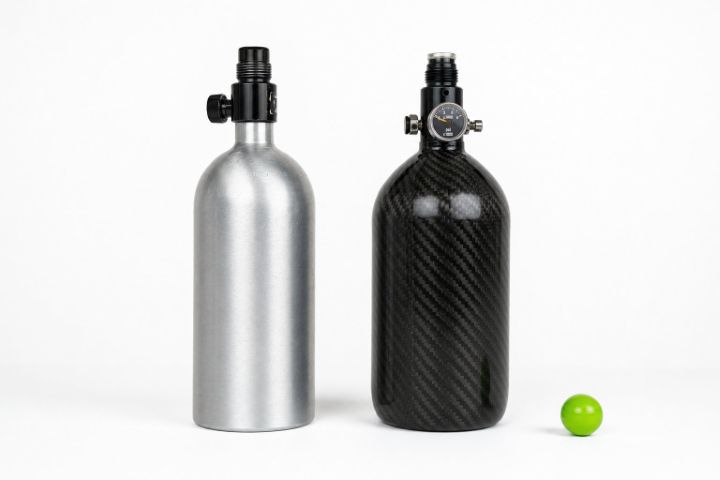
Paintball Gas Systems work much like performance systems in the automotive world: consistency, pressure control, and the right setup make all the difference. Paintball markers depend on pressurized gas systems to deliver peak performance and reliable velocity. For enthusiasts who love both cars and markers, understanding how paintball gas systems and compressed air tanks function provides vital mechanical insights. This guide connects automotive principles to the technical aspects of paintball air systems, giving you a clear edge when it comes to choosing the right setup for resilience and consistency.
Just as automotive systems rely on stable fuel and boost delivery, paintball markers require a dependable source of compressed gas to maintain accuracy and reliability. The choice between CO2 tanks for paintball and high-pressure compressed air (HPA) systems shapes how your marker performs, especially when external conditions challenge your gear. Much like fine-tuning a turbo car, success in paintball comes from matching the right system to both playing style and environment. For players comparing paintball gas systems, the key is knowing how each option behaves under real-world stress. Let’s break down how CO2 and HPA compare using gearhead logic, so you know what to expect from each under real-world demands.
For readers who enjoy the mechanical side of performance, Gauge Magazine has also covered OBD2 performance tuning and how pressure, airflow, and calibration affect real-world results.
The Mechanics of Pressure Delivery in Paintball Gas Systems
Paintball air systems, like automotive boost controllers and fuel injection, are judged by their ability to deliver consistent output. Stable gas pressure at the marker’s valve translates to tight velocity spreads, which means each shot lands where you expect, round after round. In modern paintball gas systems, pressure regulators serve a similar function in both worlds, taming input and preventing dangerous spikes or sudden loss in performance.
For automotive enthusiasts, the parallel is clear. Just as a poorly tuned fuel pump or a leaky vacuum line impacts engine reliability, a mismatched or faulty paintball regulator results in wild velocity swings. Consistency matters most during rapid firing—think shooting strings on the field or holding steady throttle through a backroad sweep. When compressed air tanks and valves are supported by quality pressure regulators, you are more likely to avoid jams, chopped paint, or unpredictable drops in shot power no matter the circumstances.
That same need for consistency is why performance-minded drivers focus on system balance. Gauge Magazine explains similar concepts in how car tuning can improve performance and efficiency.
CO2 Tanks: Affordability with Weather-Driven Drawbacks
CO2 tanks for paintball use liquid carbon dioxide, which vaporizes to create the gas pressure needed for each shot. This system is affordable and simple to use, much like a basic carbureted fuel setup. However, the phase change from liquid to gas is highly influenced by ambient temperature. In cold weather, CO2 struggles to vaporize quickly, leading to sharp pressure drops and dramatically inconsistent velocities—challenges car enthusiasts recognize from a fuel system bogging during chilly starts. In many paintball air systems, this variability makes consistent tuning harder from game to game.
When firing rapidly or playing in low temperatures, players often see telltale white clouds and feel the marker cycle erratically. This is the paintball version of pressure drop-off, resulting in unexpected marker stoppages and unreliable performance. CO2 is ideal for warm-weather rec games and lighter markers, but its fickle nature in harsh conditions is a major limitation. Think of it as a cost-conscious option best suited for those who play occasionally and want less complexity, but with the tradeoff of needing to manage environmental factors closely. For some setups, CO2 tanks for paintball also demand extra attention to avoid liquid ingestion that can stress internal components.
HPA Tanks: Technical Stability and Advanced Tuning
Compressed air tanks—referred to as HPA paintball tanks—operate at much higher and more constant pressures, delivering air regardless of temperature swings or firing rates. These tanks mirror high-performance, electronically controlled fuel injection in cars, trading a bit of weight and complexity for unmatched consistency. Multi-stage regulators and modern safety valves ensure that every shot produces nearly identical velocities, giving tournament players and technical-minded users a clear advantage even during extended rapid-fire exchanges. In demanding paintball air systems, this steadiness is often the biggest practical difference players notice.
However, this advanced performance brings added responsibility. HPA tanks require regular hydrostatic testing similar to how cars need pressure-tested fuel or coolant systems. Regulators have seals and burst disks that demand periodic inspection and cleaning to prevent failures. If you lean on compressed air tanks for frequent play, routine checks help prevent downtime and maintain stable output. For those who want worry-free performance and can handle additional maintenance, HPA is the solution for reliable gameplay in hot, cold, or ever-changing environments—a mechanical investment with lasting returns for serious paintballers.
Choosing the Ideal System Based on Real-World Scenarios
When selecting between CO2 and HPA tanks, a gearhead approach starts with a realistic assessment of your playing habits and field conditions. CO2 brings cost savings and lower entry barriers, making it appealing for casual games in stable, warm weather. Awareness of cold-induced pressure loss and quick fixes—like warming the tank or checking for frost—help keep things running as smoothly as possible for weekend warriors. Just as important, pressure regulators should be matched to the marker so the setup behaves predictably.
On the other hand, those committed to competitive scenarios or who play through challenging seasons should gravitate toward HPA for unshakeable shot-to-shot repeatability. A regimen of maintenance, hydro testing, and careful regulator checks ensures both safety and maximum power. Players who standardize on HPA paintball tanks often do so for consistency across fields and climates. Whether you want “set and forget” reliability or are prepared to tinker and tune like you would a project car, matching the compressed gas system to your paintball demands delivers mechanical confidence and top performance, both on and off the field.
Ultimately, Paintball Gas Systems should be chosen the same way a gearhead chooses performance parts: by matching the equipment to the environment, use case, maintenance expectations, and desired consistency. CO2 can work well for casual warm-weather play, while HPA offers the stability and control serious players often want.
“`