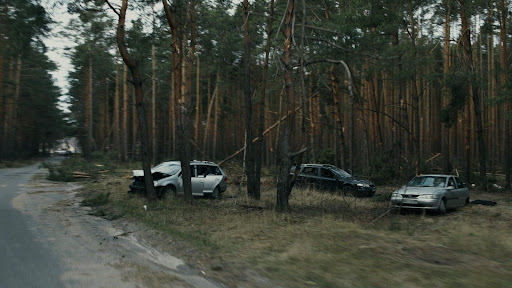
 The roar of engines and the daily rush of commuters mean traffic is more than a routine challenge; it’s a part of life. Yet behind the movement of vehicles lies a sobering reality: every year, dozens of drivers and passengers find themselves in crashes that leave lasting impacts. Cities are experiencing several crashes each year, with distraction, failure to yield, and intersection-related incidents topping the list of contributing factors. These numbers aren’t just data points; they’re indicators of how easily a normal drive can turn into a life-altering event.
Understanding what your car says after a crash isn’t just technical; it’s personal. When a collision happens, the way your vehicle is damaged, the specific impact points, and the forces involved tell a story that can shape insurance claims and legal strategy. If you’re hurt or your vehicle is severely damaged after a wreck in Bellevue or nearby, partnering with a Bellevue personal injury lawyer can make a critical difference in protecting your rights, interpreting evidence, and pursuing the compensation you deserve.
The Hidden Cost of Damage
Modern vehicles rely on crumple zones. These areas collapse in a controlled way to protect you. Even at low speeds, those zones can compress. So while it may not seem so, the structure changes.
That small shift can affect:
- Wheel alignment
- Suspension components
- Airbag sensors
- ADAS systems like lane assist and automatic braking
A misaligned sensor can make safety features unreliable. If the accident wasn’t your fault, you also need to think beyond the repair bill. Medical issues sometimes show up days later. So do disputes with insurance adjusters. Many drivers find themselves calling a personal injury lawyer after realizing the insurance offer doesn’t cover the real impact of the crash.
Frame Damage: The Silent Threat
Most people think frame damage means a car is totaled, but that’s not always true.
Today’s vehicles use unibody construction; the frame and body are integrated. That makes cars lighter and safer. It also means structural damage can spread in ways that are hard to spot.
Here’s what to watch for after a collision:
- The steering pulls to one side
- Uneven tire wear
- Gaps between doors and panels
- Strange vibrations at highway speeds
If any of that shows up, don’t ignore it. A compromised frame changes how your car handles in the next crash. A proper inspection requires more than a quick look. Body shops use computerized measuring systems to check alignment down to millimeters. If your shop doesn’t do that, get a second opinion.
Airbags and Sensors: More Than a Light on the Dash
Airbags deploy in milliseconds as they rely on crash sensors placed throughout the vehicle. After an accident, those sensors can misfire, disconnect, or throw error codes. Sometimes an airbag warning light may be seen. Here’s the problem: if the system isn’t recalibrated correctly, it may not deploy as intended in another crash. That’s a risk no one should take.
Advanced driver-assistance systems add another layer. Cameras mounted on windshields, radar units behind bumpers, and ultrasonic sensors along the sides all need precise calibration. Even replacing a windshield can require recalibration.
After a collision, ask your repair shop:
- Will you recalibrate all ADAS components?
- Do you follow manufacturer repair procedures?
- Can you provide documentation of the work?
If they hesitate, push back. You’re not being difficult. You’re protecting yourself.
The Insurance Conversation Nobody Enjoys
Dealing with insurance after a crash can feel frustrating, as an adjuster may suggest quick repairs. They might downplay injuries and often move fast. That speed benefits them, not you. If you’ve been injured or the accident involves serious damage, take a breath before signing anything. Medical bills add up, lost wages hurt, and pain doesn’t fit neatly into a spreadsheet.
This is where legal guidance can matter. Expert legal firms handle cases involving auto collisions and disputed claims. Many people contact a personal injury lawyer after realizing they got less than they deserved.
Used Cars and Accident History
Accident history should be a major factor if you’re thinking of buying a used car. A vehicle can look flawless and still carry structural repairs. Always:
- Check a vehicle history report
- Inspect panel gaps and paint consistency
- Test drive at highway speeds
- Ask for repair invoices
If the seller gets defensive, that’s a red flag. Frame repairs done correctly can be safe. Repairs done cheaply can compromise the car’s ability to protect you. There’s a big difference.