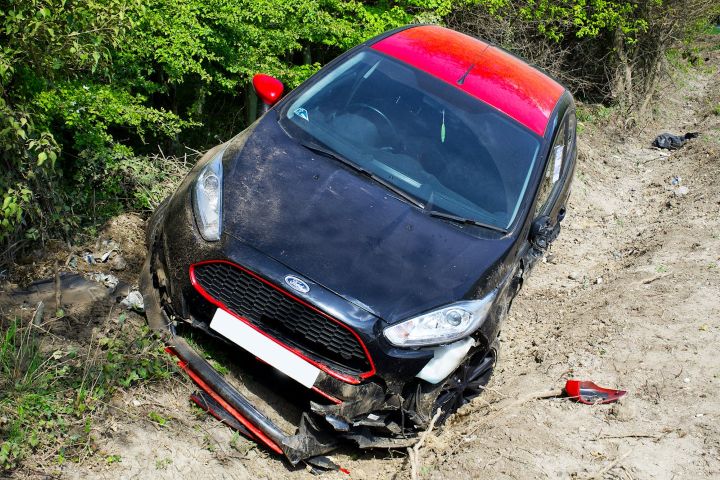
Even minor crashes can cause major stress and disruption to your life. Vehicle damage costs money to repair. Insurance calls create hassle and frustration. Lost time dealing with paperwork compounds stress. You might wonder if you can get a car accident settlement without injury. The answer is absolutely yes, but it depends on evidence, damages, and negotiation skill. Property damage alone qualifies for compensation. Additional damages sometimes exist even without physical injuries. Understanding how settlements work for minor accidents helps you pursue fair treatment.
Minor accidents are still accidents with real consequences. Your car is damaged. Your schedule gets disrupted. Your peace of mind gets shattered. Insurance companies recognize this and compensate accordingly. The question isn’t whether property damage qualifies for settlement but whether you’ll accept fair value.
Insurance adjusters often lowball offers hoping you’ll accept without fighting. Understanding your rights prevents accepting inadequate compensation for legitimate damages. Settlements are possible even when you’re not injured and sometimes valuable. Here’s how property damage claims work and when to consider legal help for supposedly minor accidents.
When Property Damage Alone Qualifies for Compensation
Vehicle damage has objective value determined by repair estimates. Get multiple repair quotes documenting exact damage costs. Use those quotes as settlement foundation. Insurance companies must pay for repairs caused by the accident. That obligation is absolute regardless of injury status. The cost of repairs is your baseline claim value. That value exists independent of whether you got hurt.
Depreciation sometimes applies to older vehicles. If repair costs exceed vehicle value, insurers sometimes total the vehicle. You receive actual cash value instead of repair costs. That valuation process can be disputed. Getting independent valuations protects your interests. Vehicle age and condition affect valuation. Arguing for higher valuations when appropriate maximizes recovery.
Rental car costs during repairs are compensable. If your car is in the shop for weeks, you need transportation. Rental coverage in policies covers this expense. Without coverage, you can claim reasonable rental costs from the at-fault driver’s insurance. Documenting rental days and costs proves actual expenses. That recovery prevents you from shouldering transportation costs caused by someone else’s negligence.
How to Prove Emotional Distress or Lost Income Without Injuries
Emotional distress without physical injury is harder to prove but sometimes compensable. Documentation helps tremendously. Therapy records show professional treatment for accident-related anxiety. Journal entries describing emotional impact. Medical records from your doctor noting stress-related symptoms. This documentation creates evidence of actual emotional harm. Without documentation, emotional distress claims are weak.
Lost income sometimes occurs without injury. You miss work dealing with accident aftermath. Police reports, medical appointments, insurance paperwork all consume time. Documentation through pay stubs or employer statements proves lost wages. Some jurisdictions allow recovery for reasonable time lost handling accident matters. Calculating lost wages uses your hourly rate multiplied by documented hours. That calculation produces actual damage figures.
Inconvenience damages sometimes apply for temporary vehicle loss. Being without your car affects daily life. Getting rides from others. Using rideshares. Using public transportation. These adjustments create legitimate inconvenience. Some jurisdictions compensate inconvenience through damages. Other jurisdictions don’t recognize it. Understanding your local standards helps set realistic expectations.
Dealing With Insurance Adjusters Who Minimize Small Claims
Insurance adjusters minimize small claims hoping people won’t push back. They might offer $1,000 when your damages are $5,000. They hope you’ll accept without verification. Getting repair estimates independently prevents this lowballing. Presenting multiple estimates makes their offers indefensible. They must adjust upward when facing clear evidence. That documentation strength changes power dynamics.
Adjusters sometimes deny coverage claiming minor damage isn’t accident-related. They argue pre-existing damage caused the claim. They assert the damage is normal wear and tear. Responding with repair documentation contradicting their claims forces reconsideration. Photos taken immediately after accidents showing accident-specific damage override their denials. Pre-accident vehicle condition matters for comparison. Documenting immediately prevents dispute about what damage the accident caused.
Be prepared for lowball settlement offers. Insurance companies profit by paying less. Their initial offers are testing ground to see what you’ll accept. Counter-offers are expected. Refuse inadequate offers. Demand fair value based on documentation. Persistence often results in higher offers. Don’t accept first offers without consideration. That negotiation is normal and expected.
When to Consider Legal Help for a “Minor” Accident
Minor accidents sometimes involve disputed liability worth fighting over. Insurance companies deny responsibility when they can. Legal representation changes their calculus. Knowing an attorney is involved increases settlement offers. Adjusters respect attorney involvement more than individual persistence. That respect translates to better settlements. The attorney fee is sometimes worth the increased settlement.
Insurance claim denials warrant legal consultation. If your claim got denied, review the reason carefully. Sometimes denials are unjustified. Attorneys evaluate whether denial was proper or improper. Improper denials are fought through appeals. Legal involvement often reverses wrongful denials. Consulting attorneys costs nothing if they don’t take the case. Initial consultation reveals whether legal help makes sense.
Repeated lowball offers suggest legal help would improve outcomes. If you’re negotiating unsuccessfully, attorneys often succeed where individual persistence failed. They know settlement ranges. They know when offers are unreasonably low. They know how to apply pressure. That professional intervention sometimes doubles settlement amounts. The attorney fee becomes worthwhile when settlements double.
Bottom Line
Car accident settlements without injuries are possible when you pursue them strategically. Property damage compensation is absolute. Additional damages sometimes exist beyond repairs. Insurance adjusters minimize small claims hoping people won’t fight back. Documentation and persistence prevent that minimization. Understanding your rights and claim value prevents accepting inadequate settlements.
Don’t dismiss minor accidents as unworthy of effort. Cumulative damages add up quickly. Repair costs, rental expenses, and lost time represent real damages. Pursuing fair compensation for these damages is appropriate. Insurance companies expect negotiation. Pushing back against lowball offers is normal and accepted. That persistence produces better settlements.
Document everything immediately after accidents. Get repair estimates. Calculate lost income and expenses. Present documentation professionally to adjusters. Refuse inadequate offers. Consider legal help if negotiation stalls. That strategic approach transforms minor accidents from frustrations into fair settlements.