Greenville carries a small-city warmth with a steadily rising pulse. Between the constant flow along I-385 toward Mauldin, the busy weekend crowds spilling out of Falls Park and the Swamp Rabbit Trail, and the growing commuter traffic moving through Woodruff Road and Pelham Road, the Upstate hub keeps more vehicles on the road than many newcomers realize.
That blend of tourism, freight on I-85, and a fast-expanding population around downtown and Verdae can turn a routine drive into a serious collision in seconds. Recovery in a place so active rarely stays simple, since medical care, insurer calls, and missed work tend to arrive all at once. That is where strong evidence becomes the backbone of any fair outcome. Working with a CR Legal car accident lawyer early helps families pull the right records together before time, weather, or memory can quietly weaken a claim.
Many drivers also research roadside emergency preparation and accident response after serious crashes to better understand what steps should happen immediately following a collision.
Start the Paper Trail Fast
Early steps reduce the gaps insurers focus on. A same-day evaluation creates a clinical baseline, while photos preserve damage before repairs or cleanup. Many families also choose a short consult with an accident lawyer after a serious wreck because deadlines, releases, and recorded statements can shape the medical and financial story.
Acting quickly also helps reach witnesses while names, numbers, and memories still hold.
Police Reports and Incident Numbers Matter
A police report anchors time, location, and involved parties. It often lists insurers, vehicle identifiers, and any citations issued. Diagrams may show lanes, points of contact, and traffic controls.
If something is wrong, a calm request for an amendment can prevent future confusion. The report can still support basic facts that other records later confirm, even if fault is disputed.
Scene Photos and Video Evidence
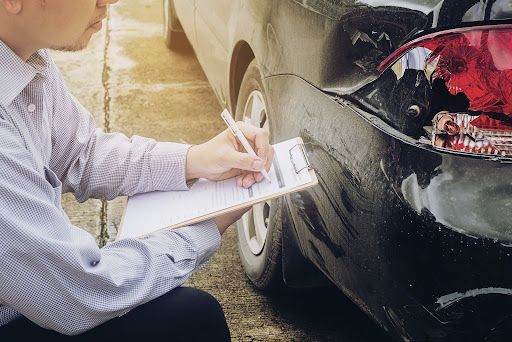
Images translate force into something others can understand clearly. Useful frames include wide angles of lanes, signals, debris fields, and sight lines, plus close shots of crush zones, broken glass, and airbag deployment.
Short clips can capture skid mark length and lighting conditions. Save files with original metadata and avoid edits that change timestamps. A clear chain of custody helps preserve credibility.
Medical Records That Connect the Injury
Clinical documentation carries most car accident injury evidence because it ties symptoms directly to the collision. Emergency notes, imaging reports, specialist assessments, and therapy logs show diagnosis, severity, and functional change over time.
Delayed treatment often gives insurers room to argue unrelated causes. Provider guidance on work limits, driving restrictions, and lifting caps can clarify daily impact. Consistent descriptions across medical visits matter as much as test results.
The Centers for Disease Control and Prevention also provides transportation safety information and injury prevention resources related to vehicle crashes.
Bills, Invoices, and Out-of-Pocket Costs
Receipts convert treatment into measurable financial loss. Keep itemized hospital statements, pharmacy slips, imaging charges, and invoices for braces or mobility aids.
Explanation-of-benefits pages help separate covered amounts from patient balances. Mileage logs for appointments can add up quickly, especially during physical therapy. If injuries prevent normal chores, paid help for child care or home tasks may also become relevant.
A dated ledger reduces disputes later.
Proof of Income Loss and Job Impact
Income proof should come from verifiable sources. Pay stubs, direct deposits, tax forms, and attendance records help show missed hours and used leave.
Employer letters can confirm duties, schedule changes, or physical restrictions. For self-employed workers, invoices, appointment books, and bank statements may help show reduced productivity.
Medical restrictions should match the claimed work interruption or the file may appear inconsistent.
Witness Statements and Contact Information
Independent witnesses can clarify signal status, lane position, or sudden braking. Preserve names, phone numbers, and addresses as quickly as possible.
A short written summary helps when memory fades, but statements should remain limited to what was personally seen or heard. Guessing about fault weakens credibility.
If someone mentions nearby surveillance footage, follow that lead immediately since many systems overwrite video within days.
Vehicle Data and Electronic Records
Modern vehicles may store crash data involving speed, braking, steering input, and seat belt use. Dash camera footage can also show timing, visibility, and traffic flow.
Phone records sometimes become important in distraction-related disputes, although access often requires legal procedures. Towing receipts and repair estimates help document vehicle condition immediately after the collision.
Preserving electronic evidence early is important because storage systems can be overwritten or altered during repairs.
Prior Medical History and Baseline Records
Insurance companies often investigate earlier injuries or medical conditions. Prior records are not automatically harmful if the timeline stays clear and organized.
Older records may show stable health before the crash followed by new limitations afterward. Honest documentation generally strengthens credibility, while omissions create doubt.
A symptom journal separating previous conditions from new pain, weakness, or numbness can help keep attention focused on injuries caused by the collision.
Fault Evidence and Traffic Violations
Liability evidence often comes from citations, roadway photos, diagrams, and witness accounts. Speeding, distracted driving, unsafe turns, tailgating, and impaired driving frequently appear in official reports.
Weather and lighting conditions also influence what a careful driver reasonably should have done. Vehicle condition may matter too, including worn tires or failed lighting equipment.
Any detail explaining why the impact occurred may affect claim value and responsibility.
Final Thoughts on Car Accident Injury Evidence
A strong injury claim depends on evidence that fits together without major gaps. The best cases show a clear collision, timely medical care, consistent symptoms, and documented financial loss.
Understanding how car accident injury evidence works also helps families stay organized during recovery while protecting themselves from undervalued settlements and misplaced blame.
When paperwork piles up during recovery, organized records help support a clearer picture of what happened and how the crash changed daily life.