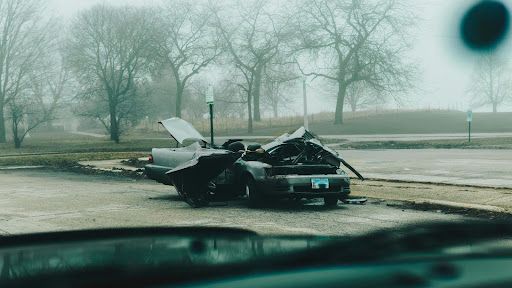
 Every year in the United States, millions of drivers get behind the wheel thinking about the day ahead, not about collisions or life-altering injuries. Yet, the reality is stark: over thousands die in traffic crashes, and countless more suffer serious injuries that require long-term care and planning. These numbers remind us that in this country of vast roadways and commuters, the unexpected isn’t rare; it’s part of life on U.S. streets and highways.
Car accidents don’t just damage metal; they can upend health, income, and independence overnight. When severe injuries occur, families and legal teams often need more than short-term treatment estimates; they need a detailed roadmap that anticipates medical needs, therapy, and future costs. That’s where physician life care planning comes in. By translating medical realities into structured, evidence-based future care projections, this specialized planning helps bring clarity and direction amid uncertainty. In a nation with so many drivers and so many unforeseen outcomes, preparing for what comes next isn’t pessimistic; it’s practical and empowering.
The Machine Is Predictable. Life Isn’t
Modern vehicles are engineering marvels. Crumple zones can absorb impact, blind-spot monitors flash warnings, and automatic braking steps in when you don’t. Yet every year, thousands of drivers walk away from accidents with more than repair bills. They suffer from whiplash, spinal injuries, or head trauma. Some recover in weeks while others spend years rebuilding strength, income, and confidence.
Here’s the hard truth: the vehicle can be replaced, but your health cannot. That’s why serious car enthusiasts often think beyond horsepower and torque. They think about long-term impact. What happens if the worst-case scenario becomes real?
After the Crash: The Hidden Costs
Body shops often can estimate damage quickly, and insurance adjusters assess value. But medical recovery doesn’t follow a tidy timeline. Rehabilitation can take months or sometimes years. This leads to missed work piling up, family roles shifting, and stress increasing. At that stage, documentation, medical opinions, and long-term care projections matter.
This is where conversations expand beyond the automotive space. In severe injury cases, experts in physician life care planning step in to outline future medical needs, therapy requirements, and projected expenses. It’s a structured medical roadmap built by physicians who understand catastrophic injury. Most drivers never think about that layer of planning.
Why Automotive Readers Should Care
You might be thinking, “I’m here for cars. Why are we talking about medical planning?” Because cars are powerful machines, and power carries responsibility. Track drivers understand this better than anyone. They inspect brakes obsessively, replace tires before they’re bald, and don’t gamble with safety gear.
Preparation is indispensable. Planning for life after an accident follows the same logic. You don’t expect disaster, but you anticipate the possibility. The smartest drivers don’t just protect their vehicles. They even protect their future.
The Financial Side of High-Impact Collisions
Severe car injuries can cost millions over a lifetime. They can include expenses related to surgeries, ongoing therapy, mobility equipment, home modifications, medication, follow-up evaluations, and transportation adjustments. And that’s before factoring in lost income. Insurance policies, legal cases, and every injury vary. But one constant remains: without a clear medical projection, long-term costs are often underestimated.
That’s why legal teams in serious auto injury cases often rely on medical experts. Their work focuses on translating medical realities into structured, evidence-based future care plans.
Lessons From the Track
If you spend a weekend at a race circuit, you’ll see preparation at its finest. Drivers walk the course, teams analyze tire wear, and engineers adjust suspension settings by millimeters. This is because small oversights create big consequences at high speeds.
Uninsured motorist coverage exists for a reason. In the same way, a seatbelt is worn without thinking. Long-term health planning belongs in that same category of smart habits. You hope you never use it, but you’re grateful it exists if you do.
Real Stories Change Perspective
Talk to someone who has survived a serious car crash. The conversation rarely centers on the car. They talk about the hospital ceiling, the first painful steps after surgery, or the frustration of relearning normal routines. They also talk about paperwork and about fighting for fair compensation. It is also about trying to understand what future care will cost.
That’s where structured medical planning shifts from an abstract concept to a lifeline. A comprehensive life care plan outlines projected treatments, therapy frequency, equipment replacement schedules, and long-term physician oversight. It creates visibility where uncertainty once ruled, and visibility reduces fear.
Automotive Culture Is About Control
Car enthusiasts love control. They love throttle response, steering feel, and suspension feedback. They adjust settings because control builds confidence. Accidents strip that control away in seconds. But planning restores part of it.
No one wants to imagine a catastrophic injury, but ignoring risk doesn’t eliminate it. Thoughtful preparation brings peace of mind. So it’s recommended to insure your car, maintain it, and upgrade it. This is the best way to protect your investment.
The Bottom Line
Cars symbolize freedom, independence, speed, and adventure. But real freedom includes preparation. This is because roads can be unpredictable, weather shifts, other drivers make mistakes, and mechanical failures happen. When severe accidents occur, recovery extends far beyond the collision scene. Medical clarity, long-term projections, and structured planning can make the difference between chaos and direction.
If you love cars, it is essential to embrace the full picture. But also respect the reality that safety planning is part of responsible automotive culture. Because while you can rebuild an engine, rebuilding a life requires foresight and the right expertise backing you up. Drive fast on the track; drive smart everywhere else.