Drivers rarely plan for the moment a DWI arrest enters the working week. The roadside stop, the breath-test request, and the charge paperwork all unfold in a short window. The next 24 to 72 hours shape the matter more than the rest of the year. The choice of attorney made in that window often determines the license outcome, the record outcome, and the realistic financial cost of the matter. The driver and household sit with the consequence for months or years afterward.
 Photo by Kindel Media on Pexels
Alt text: A nighttime traffic stop with police lights illuminating a car
The same disciplined evaluation that informs other consequential driver decisions translates to defense attorney selection. Specialist firms like the practice led by Jeffrey Chabrowe in Manhattan illustrate the credentialing depth drivers should look for. The practice focus runs across criminal defense including DWI, white-collar, and civil-rights matters. A DWI charge is a state-level criminal charge for operating a motor vehicle while impaired by alcohol or drugs above the legal threshold. The decision rewards a few hours of structured homework before the first retainer signs.
Why Does DWI Defense Counsel Choice Matter?
A defense attorney does not deliver a product drivers can compare to other products. The work is private, ongoing, and substantially shaped by the relationship. Three structural features make the choice carry more weight than the typical professional-services decision.
The window for early-evidence preservation is narrow. Roadside-camera footage, intoxilyzer calibration records, and field-sobriety-test scoring all sit on tight retention windows of 30 to 90 days. Each step in the early window shapes options for the rest of the matter, including whether challenge motions stay available later.
The information asymmetry is real. Defense counsel knows the local prosecutor culture, the judge’s tendencies, and the realistic outcome distribution. The driver typically does not. The professional baseline is set by the American Bar Association’s criminal-justice section and the National Association of Criminal Defense Lawyers, both of which maintain practitioner standards.
The same disciplined evaluation that informs the top off-road pickup truck choices carries through to defense-counsel selection.
What Should Drivers Verify Before Signing a DWI Retainer?
Six criteria belong on every shortlist. The table below summarizes what drivers should weigh before commitment.
| Criterion | What to Verify | What a Strong Answer Looks Like |
| DWI specialization | DWI-specific caseload | 50%+ caseload on DWI matters |
| Intoxilyzer challenge experience | Calibration-and-procedure expertise | Recent suppression-motion outcomes |
| Field-sobriety-test credentials | Training in standardized FSTs | NHTSA-protocol training documented |
| Communication style | Holds up under stress | Named primary contact, documented protocol |
| Fee transparency | Total realistic cost + contingencies | Range with what triggers the upper end |
| Ethical standing | Bar disciplinary history | State bar record reviewed |
A consultation that produces clear answers across these areas signals counsel worth retaining. A consultation that deflects on any of them signals counsel that may not match the driver’s needs. Asking these questions early is the difference between a calm representation and a stressful one.
Which DWI Scenarios Reward Specialist Counsel Most?
Three DWI scenarios reward specialist depth more than the others:
- First-offence matters with disputed breath-test readings where the intoxilyzer calibration history and procedural compliance can produce suppression motions that change the case posture
- Repeat-offence matters where mandatory minimum sentences attach and the negotiation relies on charge-level reduction rather than just sentencing arguments
- Commercial-driver-licence matters where the driver’s livelihood depends on retaining the CDL even where personal-vehicle driving privileges face suspension
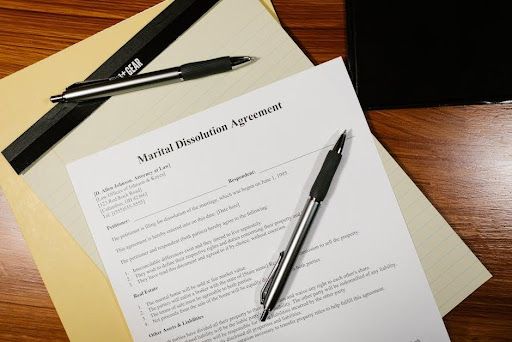 Photo by RDNE Stock project on Pexels
Alt text: Legal documents prepared for a DWI defense matter on a polished desk
Drivers facing a DWI charge benefit from counsel familiar with the local prosecutor’s plea-offer patterns and the local court’s typical sentencing range. Specialist firms maintain those relationships across years rather than rebuilding them case-by-case. The fee for a serious DWI defense typically runs 3,500 to 15,000 dollars for a first-offence misdemeanor and substantially more for repeat or aggravated cases.
What Common Errors Trip Up Drivers in DWI Cases?
Several patterns recur across retrospective reviews. The first is choosing the first available attorney rather than the right one. The 24-to-72-hour window typically allows two or three serious consultations.
The second is selecting a generalist firm taking DWI cases occasionally. A family attorney for estate or business matters is often the wrong fit for a DWI charge where charge-specific procedural knowledge meaningfully changes the strategy.
The third is signing without understanding the realistic license-suspension outcome. Administrative license suspension proceedings often run on a separate track from the criminal case.
The fourth is accepting a plea offer without independent counsel review. Plea offers can carry collateral consequences for commercial-driver licensing, employment-background outcomes, and insurance pricing. The fifth is treating the attorney as the decision-maker rather than the adviser. The same disciplined research that drives building a custom truck through proper modifications belongs in the DWI-counsel selection process.
What Is the Bottom Line for Drivers Hiring DWI Defense?
The choice rewards the homework discipline drivers already apply to other major life decisions. The 24-to-72-hour window allows for two or three serious consultations rather than a single rushed retention. The criteria are tractable, and the financial cost of choosing well typically saves materially against the long-tail cost of a poor choice. Calm, structured engagement during the early days produces materially better outcomes than reactive hiring.
The first consultation should answer specific questions about charges, strategy, license implications, communication, and fees. Whether the matter sits in Manhattan, the broader New York market, or another jurisdiction, the criteria translate cleanly. Drivers who run real consultations early end up with calmer outcomes than drivers who default to whoever calls back first. Pre-engagement preparation pays back across the entire matter.
Frequently Asked Questions
How Quickly Do I Need to Retain DWI Defense Counsel?
For most DWI matters, retain counsel within 24 to 72 hours of arrest. The early window typically allows for evidence preservation, administrative-license-suspension hearing scheduling, and timely procedural motions. Many states require an administrative-license challenge within 10 to 15 days of arrest. Most specialist firms run consultations on weekends or evenings during the initial-window period.
What Does a DWI Defense Cost?
DWI defense fees vary by charge level and jurisdiction. First-offence misdemeanor cases typically run 3,500 to 15,000 dollars. Repeat-offence cases run 8,000 to 25,000 dollars. Aggravated or felony-level DWI cases can run 25,000 to 100,000 dollars or more. The lower-end ranges typically apply to negotiated outcomes rather than contested trials.
Will the DWI Affect My Driver’s License?
Yes, in nearly all cases. Most states impose administrative license suspension on arrest, separate from any criminal-case outcome. The suspension period typically runs 30 to 365 days for a first offence and longer for repeat offences. Hardship or restricted-license options exist in many states. Specialist counsel manages the administrative-suspension challenge alongside the criminal case.
Can a DWI Charge Be Reduced or Dismissed?
Sometimes, depending on the evidence and the local prosecutor. Common reduction targets include reckless driving, driving while impaired (lower-tier alternative), or careless operation. Suppression motions on intoxilyzer or field-sobriety-test grounds can reshape the negotiation. The realistic outcome depends on the specific facts, the local court culture, and the experience of the defense team.