 The National Highway Traffic Safety Administration (NHTSA) reported that 35% of vehicular accidents are caused by worn out tires. Shabby tires are more susceptible to blowouts and slips. They might not respond well to braking causing accidents. Hence, tires might be considered the most critical parts of a car. In this regard, it is imperative to choose the right tires and wheels for safety, performance, and comfort. Tire size and type, tread pattern and depth, and load/speed rating are key factors to consider when shopping for wheels and tires.
Tire Size and Type
Tires directly affect the stability and handling of your ride. Incorrectly sized tires impact your driving including braking distances, cornering capabilities, and overall control. Hence, in emergency situations, the correct sizes of tires ensure optimal contact with the road surface. Traction and grip must be at high levels so that tires can respond quickly and appropriately under different weather conditions.
Fitting your car with the proper tires influences the vehicle’s performance. For example, larger and wider tires can promote cornering stability and grip while smaller and narrower tires may enhance fuel efficiency and ride comfort. Using inappropriate sizes can also affect insurance cover. Car insurance policies typically cover damages caused by accidents. However, if an incident occurs due to tire failure caused by the use of incorrect tires, the insurance company may refuse to cover the full extent of the damages or impose a deductible. The point is to match the tire size and type according to a vehicle’s specs and intended use for optimal performance.
Tread Pattern
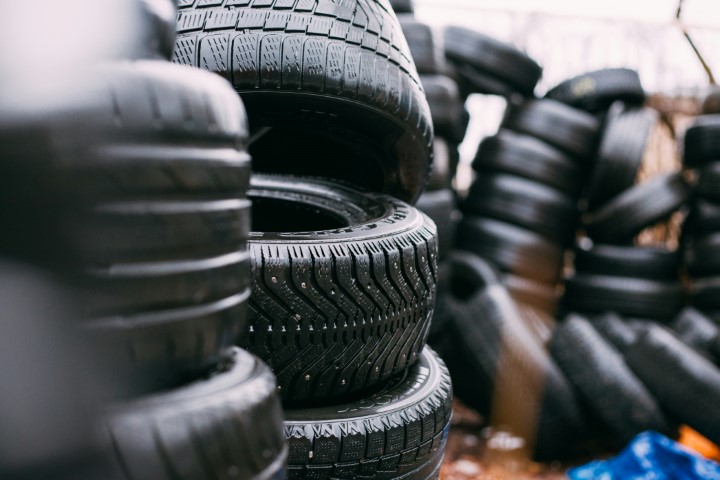
Another vital factor to consider when shopping for tires is to examine their tread pattern and depth. Tread pattern is designed to deflect water away from the contact path reducing the risk of hydroplaning on slick, wet roads. Hence, a tire with adequate tread depth ensures sufficient grip on various road surfaces – dry, wet, or snowy conditions. On the other hand, tires with worn out tread have reduced traction. As such, the probability of skidding, sliding, or losing control is higher especially during adverse weather conditions.
The ability to maintain stability and provide responsive handling is also related to tread depth. Tires with deeper treads provide better cornering grip and maneuverability. Hence, overall vehicle control and safety are optimal especially during sudden maneuvers or emergency situations. Check tread depth periodically to confirm that your tires are not at risk of blowouts or punctures.
Load Rating and Speed Rating
Before buying your tires, you must also verify their load and speed rating. Load rating indicates the maximum weight it can support including passengers and cargo. Overloading tires beyond the stated capacity can result to overheating and loss of control. It also speeds up wear and tear and reduces lifespan. Moreover, tires with the correct load rating maintain their shape and structure under heavy load which is critical for better handling, stability, and responsiveness.
Speed rating, on the other hand, specifies the maximum velocity at which tires can safely operate. Therefore, selecting tires with an appropriate speed rating maintains compatibility with your car’s performance capabilities. When you use tires with a lower speed rating, safety and performance might be compromised as excessive heat may build up leading to potential failure.
To enhance road safety and attain a comfortable driving experience, it is important to choose the appropriate tires and wheels for your car. Tire size and type, tread pattern, and load/speed rating are features that you must look at thoroughly.