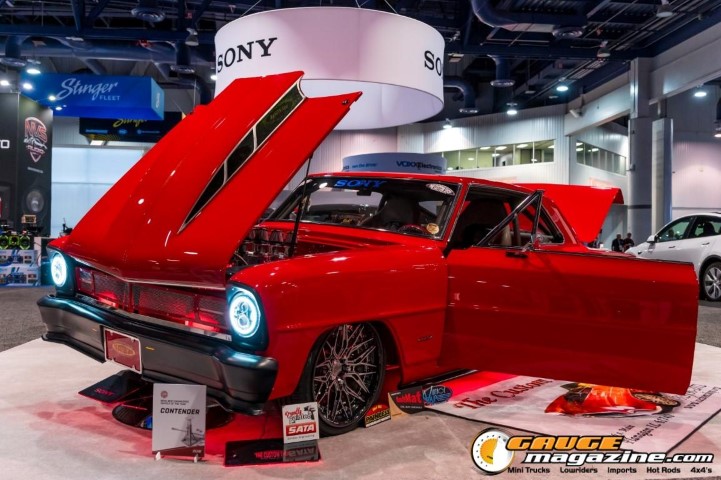
 Get ready to rev up your engines and dive into the thrilling world of classic car restoration! Enthusiasts are embracing the challenge of bringing vintage muscle cars back to life. Classic car restoration projects are more than just a hobby – they are a labor of love that connects individuals to automotive history and craftsmanship, similar to the process of restoring a classic G Wagon.
This article will explore the key steps to breathe new life into these iconic machines. It will guide readers through assessing a vintage muscle car, gathering essential tools and equipment, tackling bodywork and paint restoration, and overhauling the engine for peak performance. Whether someone is a seasoned gearhead or a curious newcomer, they’ll find valuable insights to turn a rusty relic into a roaring masterpiece on wheels.
Assessing a Vintage Muscle Car
When beginning a classic car restoration project, the first crucial step is conducting a thorough assessment. This helps determine the vehicle’s condition and set realistic goals. The exterior should be carefully examined for signs of wear, rust, or damage, followed by an inspection of the interior, checking for rips, worn carpeting, or a cracked dashboard. The engine, transmission, suspension, and electrical systems must also undergo close scrutiny.
Documenting every detail, from small scratches to major structural issues, helps guide decisions and establish the scope of work ahead. This phase isn’t just about identifying problems but also about envisioning the car’s potential. Many enthusiasts research original specifications to inform their restoration plan and imagine what the finished product should look and perform like.
This assessment phase lays the foundation for the exciting steps that follow.
Essential Tools and Equipment
A successful classic car restoration project requires the right tools. A comprehensive socket set and open-ended wrenches are essential for tackling nuts and bolts of all sizes. Specialized drivers like Torx-head and Allen-head are also needed for trickier fasteners. A torque wrench is crucial for precise tightening, ensuring no components are damaged.
Safety gear is non-negotiable. Gloves, goggles, and hearing protection safeguard against sharp edges and loud noises. A sturdy floor jack and jack stands are also necessary to securely elevate the car for work underneath.
For electrical work, a multimeter helps diagnose issues by measuring voltage, current, and resistance. Organization is also key – a good toolbox keeps everything in order and saves time during the project.
Bodywork and Paint Restoration
The bodywork and paint restoration process is a crucial step in bringing a vintage muscle car back to life. The first task is carefully assessing the car’s body for rust, dents, and other imperfections. Using a variety of tools, including sandpaper and body filler, smooth out any rough spots to create a clean surface for painting.
A high-quality primer is then applied to protect the metal and provide a smooth surface for the paint to adhere to. Premium automotive paints offer durability and a deep, rich color. A professional-grade paint sprayer ensures an even application and a flawless finish.
Throughout the process, attention to detail is key – areas that shouldn’t be painted are masked off, and colors are carefully blended for a seamless look. With patience and skill, the car’s exterior can be transformed into a stunning work of art.
Engine Overhaul and Performance
The heart of any classic muscle car restoration is the engine overhaul and performance upgrades. This step breathes new life into the vintage powerhouse. First, the engine is thoroughly assessed for signs of wear or damage. Old components are replaced with modern, high-performance parts like forged pistons, H-beam rods, and a nitride crankshaft. For improved reliability, a hydraulic roller camshaft is installed, and the system is adapted to electronic ignition.
The fuel system is also upgraded with a high-flow fuel pump and a larger fuel cell to support increased horsepower. For better efficiency, swapping the old carburetor for a modern fuel injection system is a great option. These upgrades boost power, improve drivability, and enhance fuel economy. The goal is to create a classic muscle car that performs like a modern machine while retaining its vintage charm, much like the restoration of a classic G Wagon.
Conclusion
Restoring a vintage muscle car is more than just a project—it’s a journey that blends passion, patience, and skill. From the initial assessment to the final engine tune-up, each step is an opportunity to revive a piece of automotive history and make it roar again. Whether you’re restoring a classic G Wagon or a beloved muscle car, the process allows you to merge modern performance with timeless design. With the right tools, a detailed plan, and a commitment to quality, anyone can transform a rusty relic into a rolling masterpiece that turns heads on the road.