Crashes unfold fast, and memories rarely keep up. When you need to reconstruct what really happened, a clear dash cam provides readable license plates, signs, and context, allowing you to resolve disputes without guesswork. You may have encountered three familiar problems: footage that’s too fuzzy to identify key details, clips that go missing or become corrupted when you need them, and uncertainty about the legal or privacy rules surrounding recording and sharing. This article shows you how to set up your camera, manage power and storage, and maintain image quality so you always have usable evidence when it matters.
Choosing a Brand That Prioritizes Clarity
You want more than a high-resolution number on a box. Look for sensor quality, high dynamic range (HDR), lens optics, and dependable power and storage. Some makers invest in license plate readability and fast retrieval tools; for example, Vantrue highlights STARVIS-class sensors, HDR processing, multi‑channel capture, GPS support, and app‑based transfers—features that directly influence whether your footage stands up when it’s challenged. To start your evaluation, consider how a clear dash cam, captures details during motion, including headlights and bad weather, not just on a sunny test drive.
What “Clear” Footage Enables in Real Incidents
A clear dash cam helps you move beyond conflicting accounts by showing timing, lane position, and the exact sequence of maneuvers. That objective record accelerates insurance decisions and reduces back‑and‑forth.
Readable Identifiers and Scene Context
When plates, lane markings, traffic lights, and signage remain legible, you can establish who was where and when—even at night or in the rain. A well-tuned setup keeps edges crisp as cars pass at speed, preserving the small details that often decide the outcome. If you’ve struggled to read plates before, upgrading settings and storage on your clear dash cam usually yields immediate improvements.
Why a Clear Dash Cam Record Matters for Accountability
High‑quality clips deter fraud, document hit‑and‑runs, and clarify minor parking incidents. With proper timestamps, GPS, and unbroken loops, you can submit originals quickly—reducing delays and misunderstandings. That’s the real value of a clear recording: reliable context on demand.
Image Quality Fundamentals That Influence Clarity
Resolution and Sensor Capability
Resolution sets your detail ceiling, but sensor sensitivity and processing decide whether tiny characters survive motion and low light. Front channels at 4K with modern sensors typically improve plate edges and fine text, especially at highway speeds.
Lens Aperture, Field of View (FOV), and Optics
A faster lens (lower f‑number) helps at night. Very wide FOVs can shrink plate detail; very narrow FOVs can miss context. Aim for a balanced view that keeps adjacent lanes while preserving character size.
Dynamic Range, IR, and Night Vision
HDR helps avoid blown headlights and crushed shadows. Interior IR (for rideshare) prevents glare from cabin lighting and maintains a usable view for the driver without washing out faces.
Frame Rate, Shutter, Bitrate, and Compression
Motion clarity depends on more than 30 fps. Faster shutter speeds reduce blur as plates zip by; adequate bitrate avoids the blocky edges and smearing you see on over‑compressed files. Many cameras let you trade frame rate and bitrate—test both day and night.
Power, Reliability, and Survivability (So Clarity Isn’t Lost)
Power Architecture
If you drive in heat or cold, capacitor‑based designs tolerate temperature swings better than small lithium‑ion packs and are less likely to corrupt files after sudden power loss. Hardwiring with a low‑voltage cutoff protects your vehicle battery and keeps parking features available.
Thermal Management and Operating Range
Check published operating temperatures and heat protection. Extended summer parking can trigger shutdowns in compact cabins; robust thermal design helps prevent missed clips.
Storage Integrity So the Footage Is Preserved
Media, Formats, and Loop Handling
Your evidence is only as safe as the card you write on. Select high-endurance microSD media specifically designed for continuous recording. For 4K, a Video Speed Class V30 is a practical baseline, ensuring sustained writes don’t choke or drop frames. Some newer models—even mid-range ones like the Vantrue E3—support cards up to 1 TB, which extends your loop and reduces overwrite risk.
Event Protection and Pre‑Buffering
Enable G‑sensor locks, a manual save button, and buffered parking clips that include a few seconds before impacts. Those pre‑impact moments often reveal cause, not just effect.
Quick reference — settings that favor clarity
| Setting or spec | Why it matters |
| 4K front with HDR | Maintains plate detail in mixed lighting |
| ≥30 fps with faster shutter | Reduces motion blur on moving plates |
| V30 (or higher) microSD | Supports sustained 4K video writes |
| Capacitor power and hardwire kit | Improves heat tolerance, safer shutdown |
Parking‑Mode Evidence: Capturing Hit‑and‑Runs and Vandalism
Mode Options and Trade‑offs
Buffered motion detection records context before and after motion; time‑lapse saves storage but may miss fast events; true impact detection can wake the camera. Pick the mode that matches your parking environment.
Cloud Backup and Remote Alerts
Some ecosystems offer cloud sync and push alerts when the vehicle is bumped or approached. Off‑device copies protect evidence if storage is removed or damaged; just confirm your exact model’s capabilities before relying on them.
Accountability Features That Strengthen Evidentiary Value
On‑Video Metadata
Timestamp, coordinates, and speed overlay provide verifiable context. Keep your device’s clock synced so your footage aligns with witness statements and incident reports.
Rapid Retrieval and Sharing
Fast transfers help claims teams act quickly. Wi‑Fi and app‑based exports let you send originals from the scene; avoid re‑encoding or adding graphics that could raise questions later.
Multi‑Angle Capture
Front, rear, and interior views resolve tailgating, side‑swipes, and rideshare disputes. Three‑channel systems minimize blind spots and make it easier to reconstruct events accurately.
How a Clarity‑First Design Shows Up Day to Day
The difference between two cameras with the same resolution can be stark. Pay attention to sensor generation, HDR implementation, bitrate control, and parking‑mode sophistication. Brands that invest in these areas also tend to ship useful touches like GPS support, 5 GHz Wi‑Fi for quicker transfers, and over‑the‑air firmware updates that refine performance over time. Those quality‑of‑life improvements make it more likely you’ll actually retrieve and share the original file when someone needs an answer.
Legal, Privacy, and Policy Considerations
Insurance and Legal Use
Dash cam clips are often accepted by insurers and investigators, but your handling matters. Keep the original file, avoid edits, and store a copy off the card before you reuse it.
Privacy Frameworks (example: UK/EU)
If you record outside your household in the UK or EU, you may take on responsibilities under local data‑protection rules. Be mindful of signage, retention periods, and how you share footage that includes bystanders.
Practical Setup to Achieve a Clear Result
Mounting and Configuration
Mount high and centered, just below the tint strip. Level the lens and set exposure to avoid blown headlights at night. Enable 4K/HDR on the front channel (when available), select ≥30 fps, turn on GPS/time sync, and format the card in‑camera before first use. Reformat monthly to keep the file system healthy.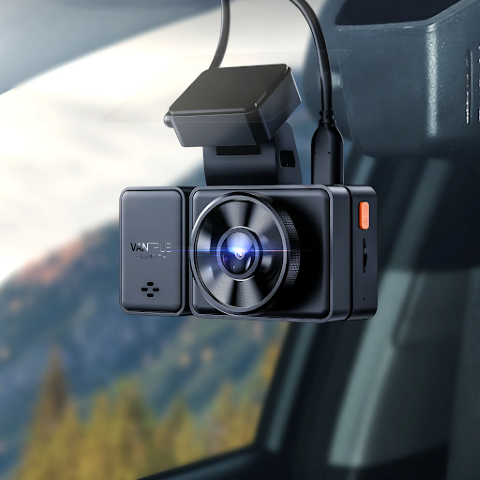
Maintenance and Verification
Wipe the lens regularly, check that the mount hasn’t shifted, and record short test clips after changes. Review sample footage monthly—day and night—to confirm you can still read plates at the distances and speeds you actually drive.
Clarity‑Focused Systems in Practice
Clarity‑focused systems bundle the pieces you need: modern sensors, HDR, multi‑channel capture, GPS context, dependable power, and parking‑mode options. Vantrue has leaned into those priorities with models that pair 4K front capture to high‑sensitivity sensors, plus app‑based retrieval and ongoing firmware improvements. When you compare options, weigh these traits—not just headline resolution—so your camera performs in busy traffic, harsh sun, and low‑light streets alike.
Conclusion
Clarity turns video into proof. With the right sensor, lens, HDR, bitrate, and storage—and the discipline to maintain your setup—you can capture the details that settle disputes, protect your time, and keep everyone honest. Keep testing, keep the firmware current, and remember: a clear dash cam pays for itself the moment you need unambiguous evidence.