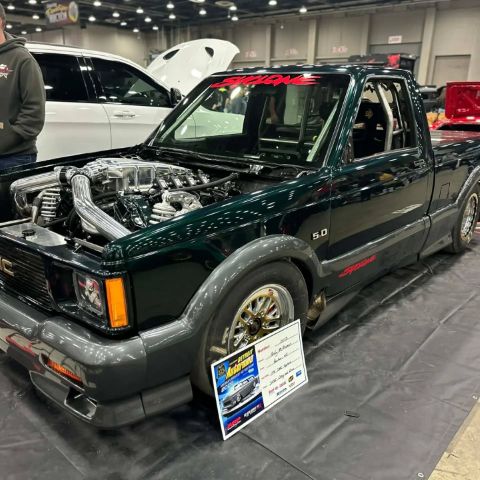
 Custom vehicles are often created with precision, patience, and a clear vision in mind. Owners invest in suspension upgrades, wheel fitment, paint correction, audio systems, and engine performance not only for appearance but also for pride. The finished product reflects personality and effort, especially when it rolls onto a show floor surrounded by other high level builds. Yet the moment that same vehicle leaves the event space and merges onto a public roadway, it enters a completely different environment.
Public roads are unpredictable and crowded with drivers who may not recognize the limits or characteristics of a modified vehicle. Traffic patterns, tight lanes, sudden stops, and distracted drivers create conditions that differ sharply from controlled event spaces. While a build may look flawless under bright lights, it still must perform safely among commuters, delivery trucks, and uneven pavement. That contrast between showcase perfection and real world driving deserves honest attention.
Performance Upgrades and the Risk of Car Accident Exposure
Performance enhancements often improve acceleration, handling, and braking when installed correctly. However, any change to factory specifications alters how a vehicle responds in emergency situations. A lowered suspension may reduce body roll, yet it can also decrease ground clearance over rough pavement. Wider tires increase grip, but they also change steering feel and road feedback. In heavy traffic, those differences become more noticeable, especially during a sudden maneuver.
According to Weston & Pape, in some cases, the dynamics of a car accident can be affected by how a build distributes weight and transfers force during impact. Heavier wheels, altered ride height, or reinforced body elements may change how energy moves through the frame. That does not automatically increase risk, but it does reinforce the need for careful planning before modifying structural or performance related systems. Owners who treat upgrades as serious mechanical decisions rather than cosmetic choices reduce the likelihood that their build becomes a point of contention if a collision occurs.
Suspension, Wheels, and Real World Handling
Suspension systems define both the stance and the road manners of a custom build. Air ride setups, coil overs, and lift kits can transform the look of a vehicle within hours. They also influence braking distance, weight transfer, and steering response. A truck sitting high above stock height behaves differently in crosswinds compared to its original configuration. Similarly, a slammed coupe reacts to potholes and road debris with far less margin for error.
Wheel size and offset further shape how a vehicle interacts with pavement. Oversized wheels with low profile tires may sharpen cornering response, yet they reduce cushioning against imperfect roads. When drivers encounter sudden obstacles, the margin between control and loss of traction narrows. Owners who understand these mechanical tradeoffs can better adapt their driving style, reducing the likelihood of problems in daily traffic.
Visibility, Lighting, and Driver Responsibility
Custom lighting, tinted windows, and body modifications can dramatically alter a vehicle’s appearance. Dark window tint offers privacy and heat reduction, but it may limit outward visibility at night. Aftermarket headlights or taillights enhance style, yet improper installation or incorrect beam alignment can reduce visibility for both the driver and surrounding traffic. These details may seem minor at first, but they influence reaction time in dense traffic.
Driver responsibility increases when operating a modified vehicle. Greater horsepower demands disciplined throttle control. Louder exhaust systems attract attention, which can escalate interactions with other drivers. Maintaining awareness of blind spots, signaling clearly, and allowing extra braking distance all become more important when a build differs from factory specifications. Smart driving habits protect both the investment and the people sharing the road.
Documentation, Insurance, and Mechanical Integrity
Serious builders keep records of parts, installation dates, and professional labor. Detailed documentation not only protects resale value but also supports clarity if mechanical performance is ever questioned. Receipts, alignment sheets, dyno results, and inspection reports show that upgrades were completed responsibly. Organized records demonstrate that the vehicle was maintained with care rather than assembled without oversight.
Insurance coverage also deserves careful review when modifications exceed basic cosmetic changes. Policies may require updated valuations or added coverage to reflect aftermarket parts. Failing to disclose significant upgrades can create complications later. Open communication with providers ensures that both the vehicle and its enhancements are recognized properly. Responsible planning behind the scenes strengthens long term ownership confidence.
Accurate appraisals also play a role in protecting a custom build. Standard market values rarely reflect the true cost of high end wheels, custom paint, or engine work. Without updated valuations, compensation may fall short if significant damage occurs. Proactive evaluation, combined with consistent maintenance logs, reinforces the legitimacy of the build and supports smoother resolution in situations where vehicle condition becomes a focal point.
Respecting the Road Beyond the Spotlight
Custom automotive culture thrives on creativity, craftsmanship, and competition. Car shows, meets, and photo shoots celebrate detail and individuality. Yet every build eventually shares space with school zones, construction areas, and distracted drivers. That shared environment demands patience and restraint, even when the vehicle under the hood produces impressive numbers.
Owners who balance passion with awareness preserve both their builds and their reputation within the community. Real pride does not stop at polished paint or flawless fitment. It extends to how the vehicle performs during routine commutes and unexpected traffic conditions. When custom builds leave the spotlight and enter daily circulation, preparation and discipline keep them looking sharp and operating safely.
Consistency on public roads strengthens the credibility of the entire automotive community. When modified vehicles are driven responsibly, they demonstrate that performance and safety can coexist. Respect for traffic laws, regular inspections, and thoughtful upgrades reflect maturity rather than recklessness. Over time, that approach protects not only individual investments but also the broader culture that values craftsmanship, precision, and disciplined driving.